Go on a time-traveling fashion odyssey, unveil the elegance of vintage clothing. Learn the what to buy and what not to buy at thrift stores, and much more.
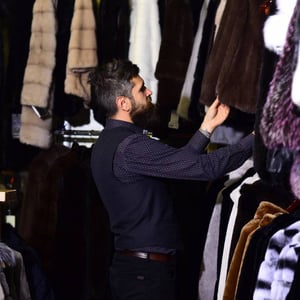

Art of Pricing & Styling Vintage
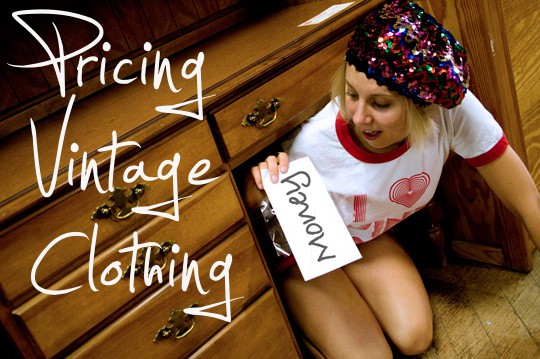
💰 Learn how to price vintage with confidence
🛍️ Discover Deadstock, a vintage lover dream find
👕 How to make a Tee-Shirt feel vintage soft.
👑 Browse Goodwill for rare finds and hot auction items
🏷️ Tips on how and where to sell vintage clothing
Curate Your Wardrobe with Iconic 1920-1990 Fashion
🕰️ Step Back in Time – Unveil the Glamour of 20s Flapper Style!
👠 Elegance Redefined – Discover the 5 Defining Pieces of 1930s Fashion!
💃 1940s Charm – Embrace the Fashion That Transcends Time.
👑 Timeless 1950s Pinup Guide – Unleash Your Inner Icon & learn how to throw a 1950s cocktail party! 👑
👗 Revolutionary 60s – How the Miniskirt Rewrote Fashion History in the 1960s.
🌻 Boho Enchantment – Dive into the Free-Spirited Vibes of the 70s Fashion!
🎶 80s Rewind – Recreate Madonna’s Iconic 1980s Look & Rock the Decade! 💥
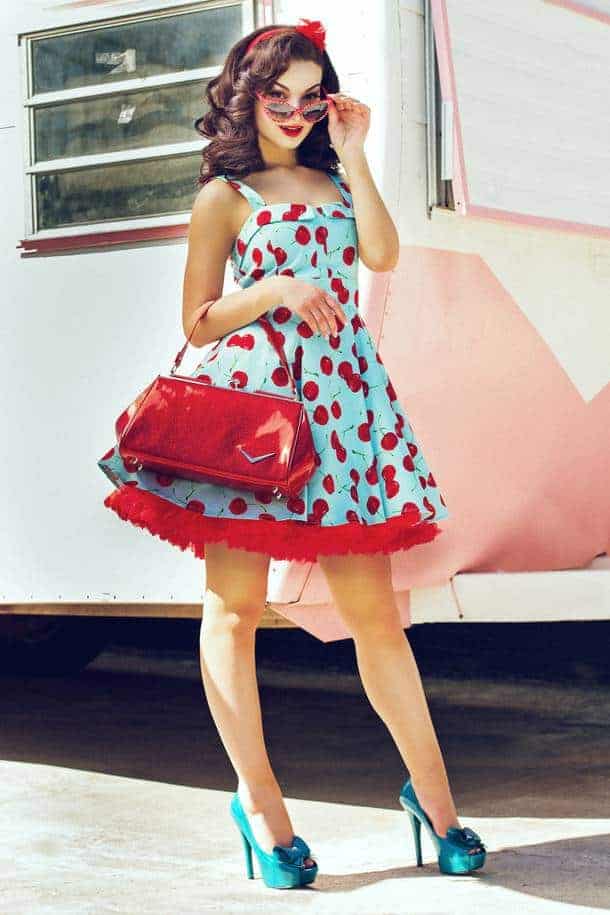
Thrift with Confidence
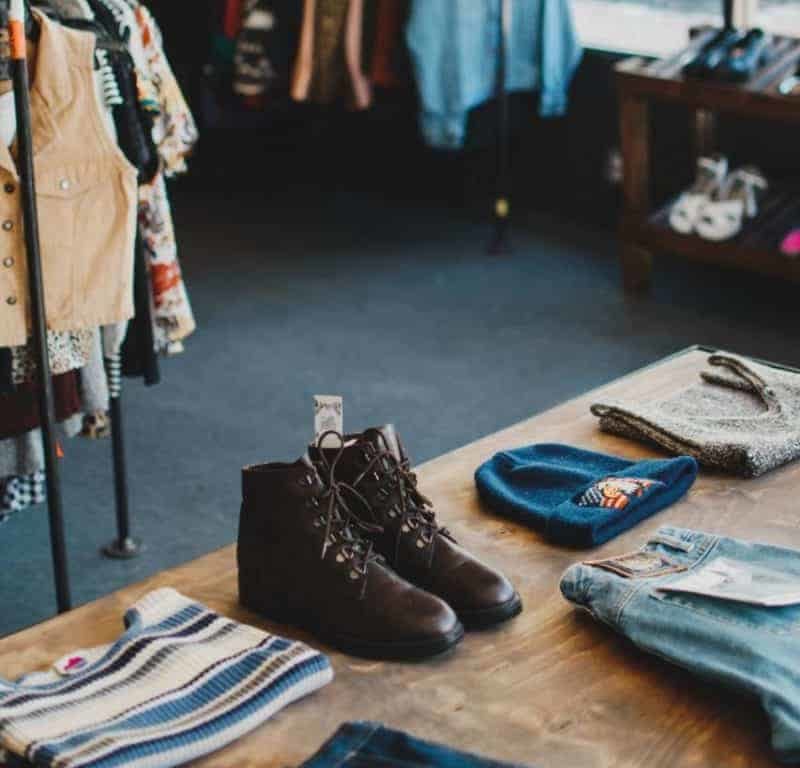
🛒 Navigate Thrift Stores & Shop Like a Pro
🏛️ Explore the World of Most Expensive Antiques
🔎 Learn the Stories Behind Most Valuable Finds
🛋️ Dive into Antique Furniture Grandeur
💡 Thrifting Tips for Hidden Treasures
👠 Find Vintage Shoe Gems.
Expert Advice for Identifying Vintage Clothing
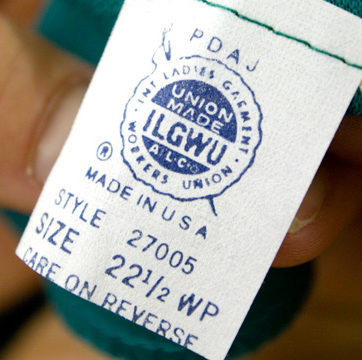
🔍 Decode Vintage Tags Like a Pro
📅 Unveil the Secrets of Union Labels – Part 1 & Part 2 Through History
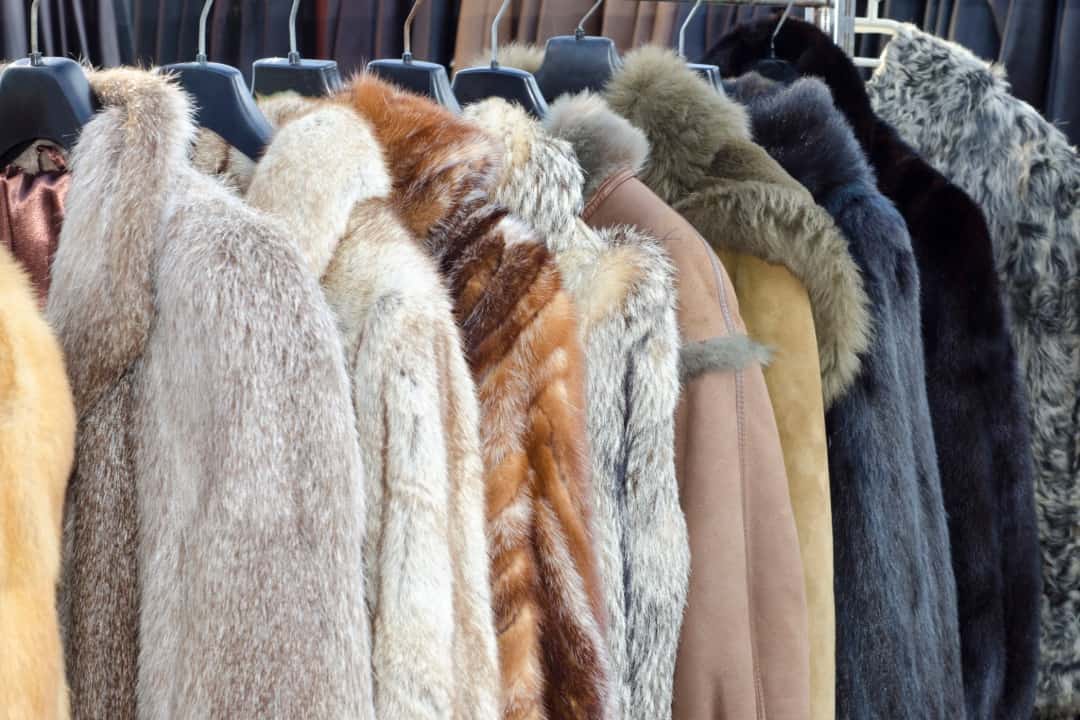
🦊 Identify & Style Vintage Fur Coats
🏷️ Learn How to Date Vintage Clothing
👗 Unlock the Charm of ILGWU Clothing
💃 Channel Your Inner Rockabilly Style
Vintage Weddings
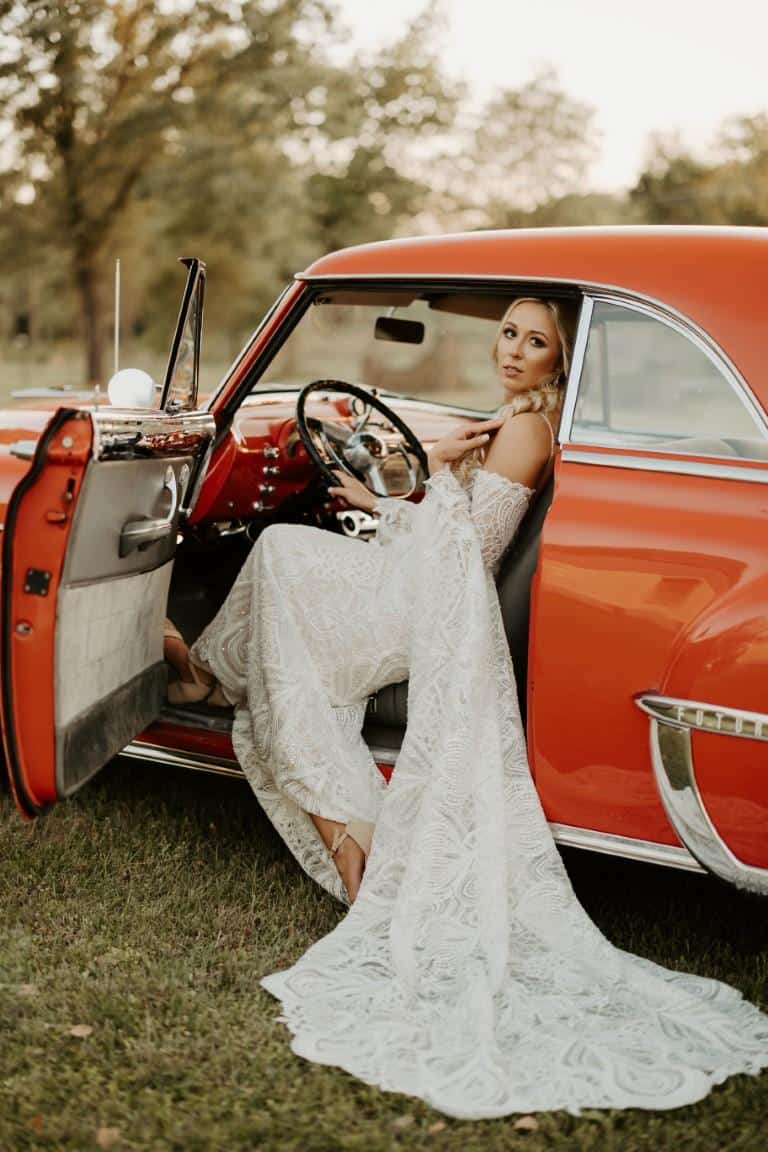
🕊️👰 Step into a world of vintage wedding elegance, where cherished memories are woven into every detail. Here you’ll enjoy beauty of the past and craft a wedding that resonates with history and nostalgia.
✨👗 Our journey begins with the art of preservation, exploring the proper ways to clean a vintage wedding gown that you may have picked up thrifting, ensuring that its timeless charm shines through.
📜❤️ Venture deeper into the pages of history as we unravel the fascinating evolution of wedding dresses, a journey that’s as captivating as love itself.
💼🕶️ For the modern groom seeking a touch of classic sophistication, I’ll share some vintage suit choices that strike the perfect balance between tradition and contemporary style. You don’t want to miss these glamourous wedding accessories.
👑🌹Indulge in the romance of iconic weddings with a glimpse into Kate Middleton’s exquisite wedding dress, a source of inspiration for those who yearn for a touch of royal elegance.
🏙️🏰 Planning your wedding in the big apple? Discover a curated selection of NYC venues that weave urban grandeur into your fairytale.
🎀🌟Don’t forget the cherished tradition of “Something Old,” where sentimentality embraces modernity.
DIY & Vintage Décor
🏰✨Discover the allure of Victorian décor and creative DIY projects that redefine your space with charm and character. 🎨✨
🔨🌟From the redoing a vintage dresser 🖌️ to learning how to whitewash your vintage furniture 🛋️finds to get a French country look. I will guide through the art of breathing new life into old items.🌈🌟