
Learning how to wash dry clean only clothing at home can feel intimidating, but the label doesn’t always mean a mandatory trip to the cleaners. In fact, recent insights from fabric care experts show that many of these garments can be safely washed at home with the right approach.
The key is understanding which fabrics respond well to gentle methods—and when it’s best to leave things to the pros.
That’s where this guide comes in. We’ll walk through how to check labels, test fabrics, and clean delicate items using simple tools you already have. You’ll also learn how to avoid common mistakes that can shrink, fade, or damage your clothes.
Washing at home doesn’t just protect your wardrobe—it saves money, reduces chemical exposure, and promotes more sustainable habits. When done right, it’s a practical way to care for your favorite pieces without compromising on quality.
Key Takeaways
-
Many “dry clean only” clothes can be safely washed at home using gentle methods, like hand washing or delicate machine cycles—especially for fabrics like cotton, polyester, silk, and wool.
-
Understanding fabric care labels and testing materials beforehand is crucial to avoid shrinking, fading, or damaging delicate garments.
-
Proper preparation, including sorting, spot-cleaning, and using mild detergents, helps protect clothing during at-home cleaning and ensures better results.
-
Knowing when to clean at home versus when to seek professional care helps extend the life of your clothes, saves money, and supports more sustainable laundry habits.
Understanding Fabric and Labels
Credits: @byrawpixel / Pinterest
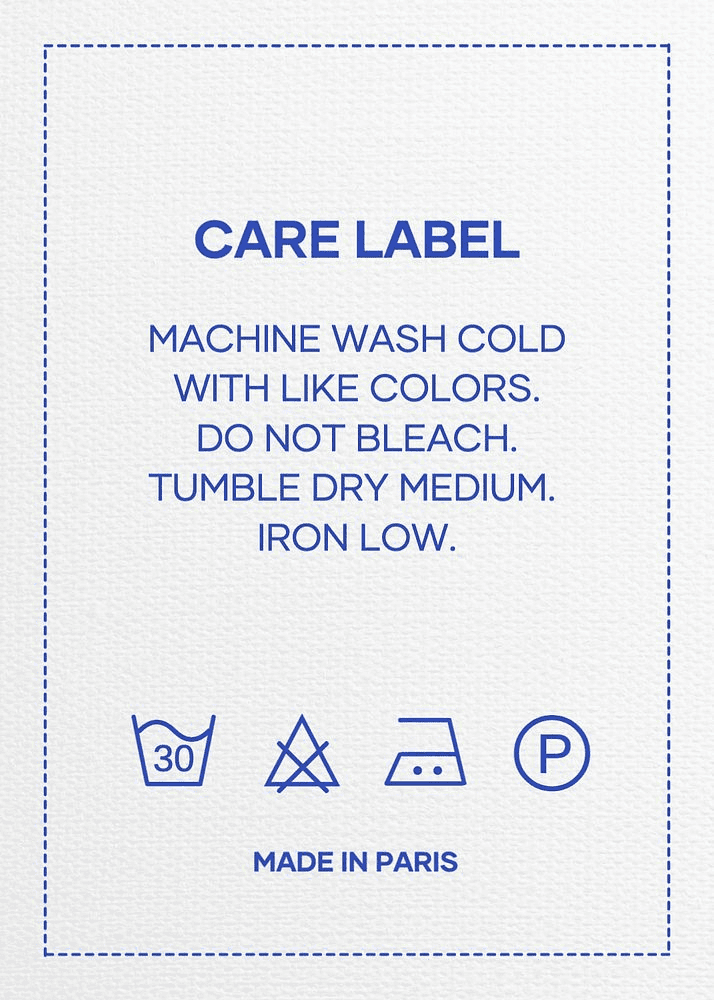
Before everything else, reading labels and understanding what they really mean is a vital step. Not all “dry clean only” tags are created equal. The language on those labels can be confusing, but learning how to decode them helps you care for your clothes without fear of ruining them.
What “Dry Clean Only” Means
When you see “dry clean only” on a care label, it’s more than a suggestion. In fact, the Federal Trade Commission (FTC) treats that phrase as a formal instruction. It means the manufacturer has tested the item and believes it can’t handle water-based cleaning without risk.
For delicate garments, such as silk dresses or wool suits, washing in a machine can cause shrinkage, fading, or damage to the shape.
But here’s where it gets interesting—many garments are simply labeled “dry clean,” without the word “only.” That label leaves more room for flexibility.
In many cases, clothes made from cotton, linen, or polyester blends can be safely washed at home using cool clean water and a gentle wash cycle.
I’ve found that the real difference comes down to the fabric content and its construction. A heavy wool coat with interfacing or lining is much riskier than a simple polyester blouse.
Moreover, garments with pleating, beading, or embroidery should always be taken to a professional cleaner, as even mild washing can cause distortion or color bleeding.
That’s why I always check the full care label, not just the bolded “dry clean only” part. I also do a spot test with cool water and mild detergent on an inside seam if I’m unsure. This small step has saved me from ruining more than one of my favorite pieces.
When it comes to delicate fabrics, careful reading—and a little caution—go a long way. It’s the first step to safely cleaning your clothes at home while still keeping them in great shape.
Fabrics That May Be Washed at Home
Credits: @e-cloth / Pinterest
Understanding which dry-clean-only garments you can safely wash at home begins with understanding the fabric. Many natural and synthetic fibers can handle gentle water-based cleaning if you prepare properly and follow careful steps.
- Cotton, Linen, and Polyester: These common fabrics respond well to cold-water washes on a delicate cycle. Expert dry cleaners confirm that garments with these natural fibers often tolerate hand or machine washing when handled carefully, making them safe for at-home cleaning.
- Silk Garments and Wool (including Cashmere): These delicate fibers can be gently hand-washed in cold water with mild detergent. However, rinsing thoroughly and laying them flat to dry is necessary to avoid stretching or shrinkage. I’ve hand-washed cashmere sweaters this way, and they stayed soft—just flattened afterward to retain shape.
- Rayon and Viscose Blends: These need special care. Since they often shrink or distort, wash only if the label indicates it’s machine-friendly—it’s best to treat them as dry-clean only.
- Faux Fur and Down: Short-fur garments and down items can sometimes be washed gently, but long faux fur or lined jackets should be left to the dry cleaners. What I do is use cool-water and low-agitation machine cycles for short faux fur.
Knowing how to read fabric labels and understand the limits of each material is the foundation of safe at-home cleaning. Once you become familiar with which fabrics are low-risk and which ones require proper care, you can make more informed decisions.
Not every item with a dry cleaning label requires a trip to the cleaners. With a careful eye and a gentle approach, you can keep your clothes looking great while saving time, money, and chemicals.
Preparing for Home Cleaning
Once you’ve identified which fabrics may be washed at home, the next step is preparation. Proper sorting and inspection prevent damage and ensure each garment gets the care it needs. I’ve learned that a few simple steps upfront save a lot of heartache later.
Sort and Inspect
Start by sorting your laundry by color and fabric type. Keep whites, pastels, and darks separate, and sort each group by weight and material. This helps prevent color bleeding and protects delicate fabrics from damage.
I use mesh bags for lightweight or delicate items to keep them safe in the wash.
Before putting anything in the machine, always check the care label. It’s not just about choosing the right cycle—labels often include important details you might miss.
If the instructions are unclear, I set the item aside for extra care. This step helps avoid heat damage or other issues with sensitive fabrics.
Next, inspect each piece: empty pockets, zip up zippers, and look for stains or loose threads. This helps prevent clogs and snags. I once left a small key in a pocket, and it ended up damaging my washer—lesson learned.
Taking the time to sort and inspect your laundry properly helps everything go smoothly. It keeps your clothes looking great and your washing machine running safely.
Stain-Testing and Spot Cleaning
Credits: @bhg / Pinterest
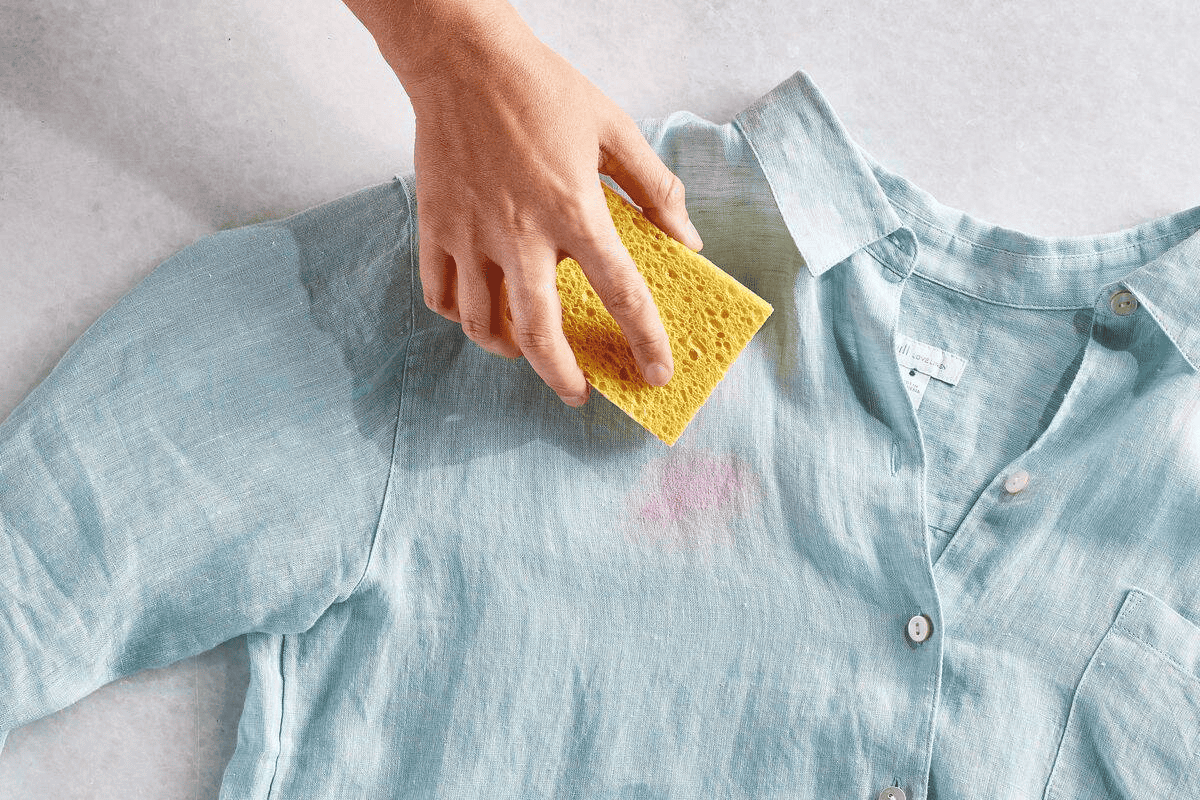
Once garments are sorted and inspected, the next critical step is stain-testing and spot cleaning. This helps protect delicate fabrics from damage and ensures stains don’t set—so your wash remains worry-free. Here’s how to do it simply:
- Test Hidden Areas with Cold Water and Mild Detergent: Always start with a spot test on an inconspicuous area, such as an inside seam or hem. I learned this trick from Good Housekeeping: apply cool water and a drop of mild laundry detergent, then gently dab the fabric with a cotton swab. If the dye bleeds or the texture changes, it’s a sign that the garment may not be safe for hand washing or washing machine cycles. Testing first gives you confidence to move forward, or warns you to seek professional cleaning.
- Pre-Treat Stains Immediately to Avoid Setting: Act fast—that’s the golden rule. Blotting a fresh stain with cold water stops it from bonding to fibers. For food or vinyl marks, scrape off excess, then apply a mild detergent or laundry stain remover. Let it sit for a few minutes before rinsing. For oil or grease, sprinkle baking soda on the stain, gently brush it in, wait a few minutes, then rinse and dab with liquid dish soap. Using cool water prevents heat from setting in the stain.
In my own experience, spending just a minute on a stain right after it occurs can save an entire garment later. I once turned a berry spill into a fresh sweater rather than a ruined one, simply by applying cool water and mild detergent right away.
By spot-testing and pre-treating, you protect delicate fabrics from irreparable damage and avoid that dreaded post-wash regret. These two steps help keep slightly soiled clothes in rotation and reduce the need for full washes, saving water, energy, and wear on your wardrobe.
Cleaning Methods Explained
Now that you’ve sorted, inspected, spot-tested, and pre-treated your dry‑clean‑only clothes, it’s time to clean them safely. The right method—hand wash, gentle machine cycle, or home dry‑cleaning kit—depends on the fabric and what your label and tests reveal.
I’ve found that choosing carefully keeps fabrics intact and extends their life.
Hand Washing
Credits: @HowStuffWorks / Pinterest
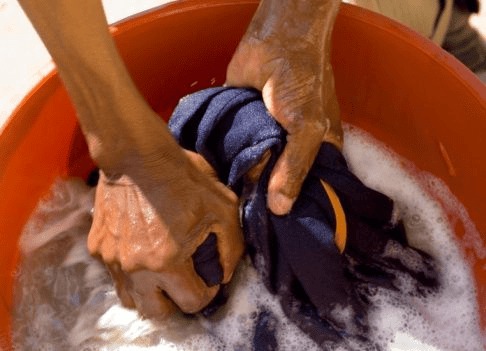
Hand washing remains the safest option for most delicate items. Start with cool water—hot water can shrink and damage fibers, especially those of wool and silk. Believe me, I’ve been there.
Fill a clean sink or basin with water, and mix in a small amount of mild detergent (wool or baby-specific is ideal). Gently swish the garment in the water for a few minutes, pressing lightly without wringing.
For this, don’t twist sweaters after an unexpected waist cinch—just squeeze out the water instead.
Next, drain and refill with clean, cool water for rinsing. Lay the item on a clean towel, roll it up, and gently press to absorb excess water. Then reshape flat or hang on a padded hanger in fresh air—never use high heat.
A professional dry cleaner once advised me against tumble drying and hanging wet wool, as it can cause the fabric to lose its shape. This gentle method removed body oils from my wool scarf, and it emerged soft and true to size.
Machine Washing on Delicate
For color-safe materials like cotton, polyester, or blends, using the delicate cycle on a machine wash is a great way to save time. Place the garment inside a mesh bag and use cool water with a wool or gentle cycle detergent.
This setup for dry-clean-labeled clothes can pass spot tests. Moreover, modern washers with slow agitation and low spin speeds preserve delicate fibers.
One TikTok trick has gone viral: washing three-piece suits on a cold delicate cycle at 800 RPM (or using a spin-and-drain setting) can mimic the effects of the dry cleaning process, according to The Sun.
Despite the buzz, structured garments with interfacings—like blazers—still risk losing their shape. Thus, take it as a caution that washing lined suit jackets can ruin shoulders and creases. So I only machine-wash items with minimal structure.
Home Dry Cleaning Kits
Credits: @cleanmama / Pinterest
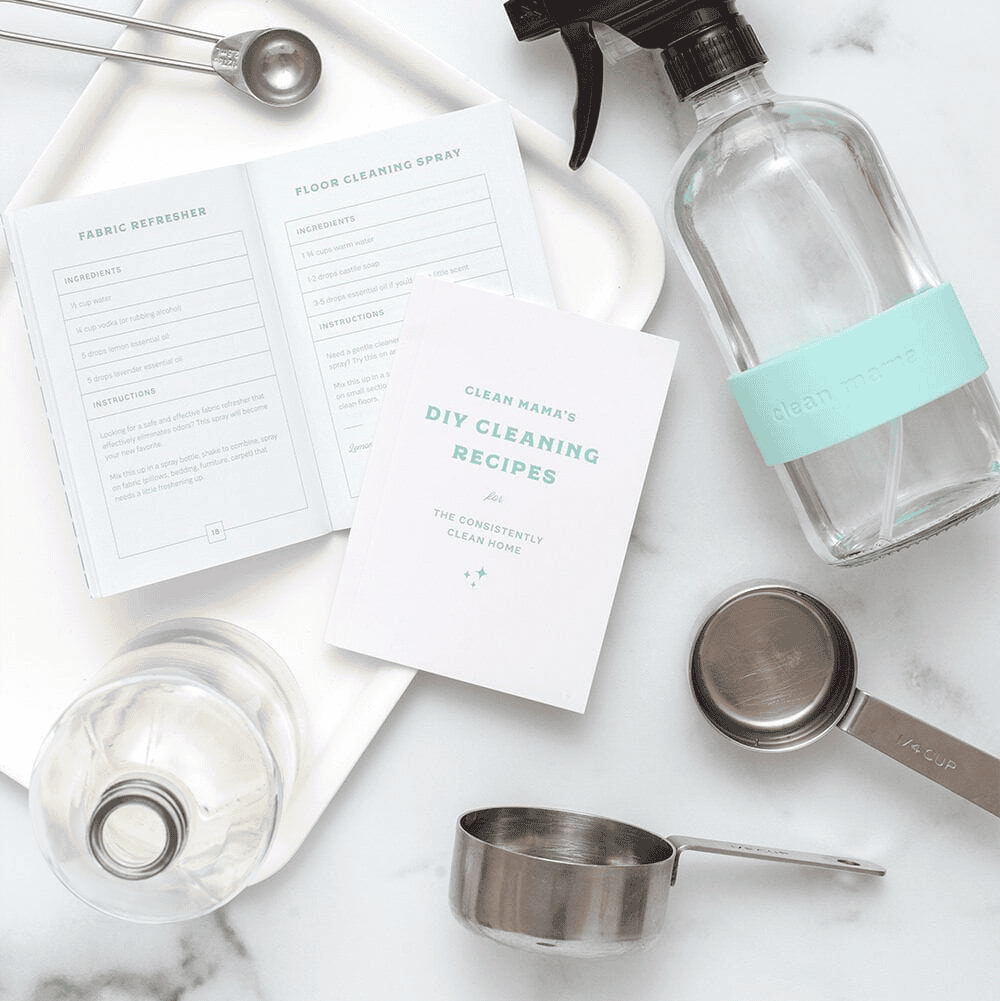
Dry-cleaning kits offer a middle ground: they use odor-neutralizing cloths in a bag and require a home dryer’s low heat setting. Although solvent kits freshen lightly soiled items, they won’t replace a deep clean or remove wrinkles.
These kits work well for jackets or dress shirts when you want a polished smell without chemicals.
In my experience, a kit freshens sleeves and collars between full washes. Just remember: it’s not a full alternative. Heavy stains or creases still need professional dry cleaning.
By picking the right method, you can clean many dry-clean-only items at home with confidence. You’ll save money, reduce chemical exposure, and preserve your clothes’ quality—all while maintaining a functional wardrobe. It’s the best way to care for your clothes and the planet.
Drying and Finishing
After cleaning, the way you dry and finish garments matters just as much as the wash. Doing it wrong can undo all your efforts. I’ve found that simple methods like air drying and steaming maintain fabric quality far longer than heat-based alternatives.
Air Drying and Reshaping
Air drying is gentle and effective, especially for delicate cycles. It’s a good idea to gently shake clothes before hanging, which prevents creases and promotes even drying.
For wool and cashmere, Southern Living recommends laying garments flat on a towel to preserve their shape and prevent stretching.
I follow this routine: I reshape damp clothes on a clean towel, roll them to remove excess moisture, and then lay them flat or hang them with padded holders. This method saves wear and reduces static—the eco-friendly way to finish your fabrics.
Another is to avoid high heat at all costs. It’s still best to use low or no heat during drying for delicates to prevent shrinkage and fiber damage. After that, I always air-dry or use a low-heat tumble cycle for tough fabrics.
Wrinkle Removal
Credits: @thekrazycouponlady / Pinterest
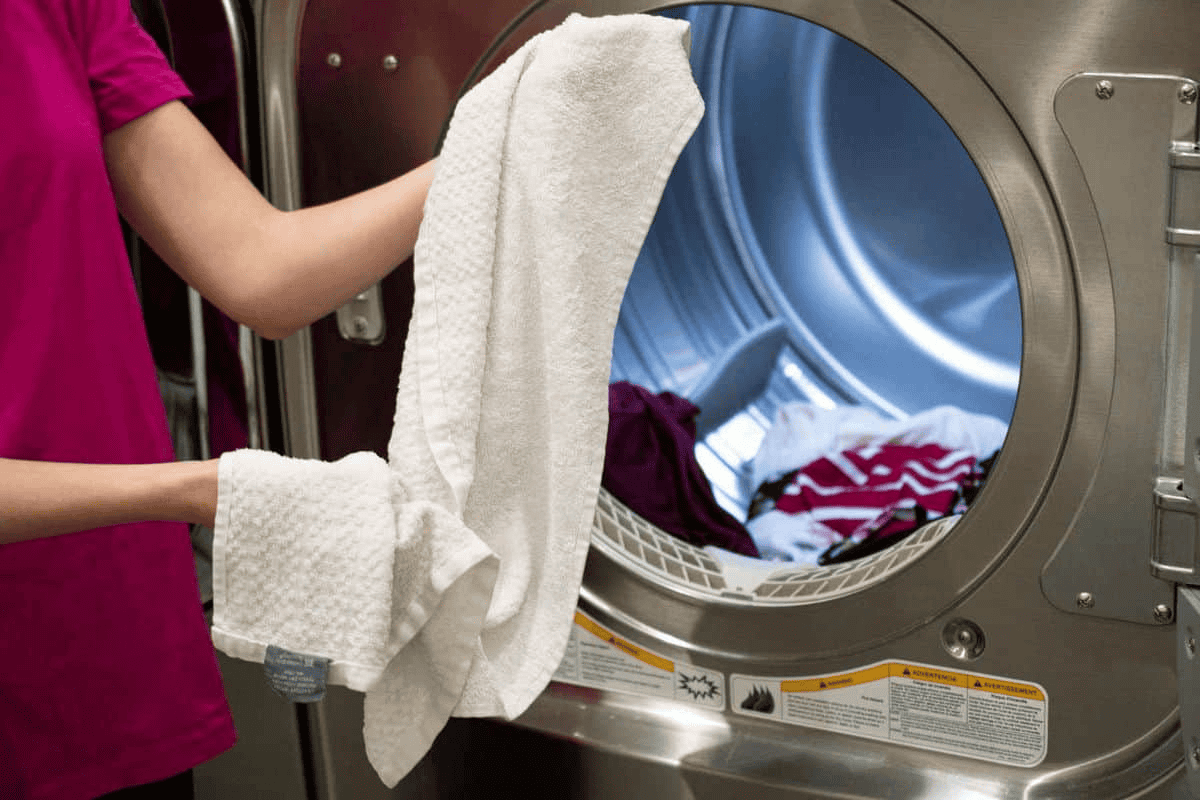
Once garments are dry, gentle finishing is key. Handheld steamers offer a low-risk way to smooth wrinkles. Consider steamers for pleated skirts and silk dresses since they relax fibers without pressing.
When I’m in a rush, wrinkle-release spray is a great backup. These lightweight sprays work well for cotton and linen and can be used on the go. For quick fixes, I lightly mist and smooth garments by hand—it brightens up a dress shirt without ironing.
If you must use an iron, use the lowest safe setting for the fabric and always test first. Avoid pressing directly onto delicate materials; use a cloth buffer between the iron and garment to protect the fibers.
These finishing steps combine to give dry-clean-labeled clothes a refreshed, polished look without risking damage. By drying with care and finishing with gentle techniques, you preserve value, longevity, and style while avoiding unnecessary heat and chemicals.
Expert Tips and Common Mistakes
After drying and finishing, the final step is learning from experience. I’ve discovered that avoiding certain mistakes and following expert advice can keep your garments in top shape and extend their life. Here are some of them:
- Avoid Harsh Detergents, Chlorine Bleach, and Fabric Softeners: Gentle detergents crafted for delicates help protect fine fibers without weakening them. Harsh chemicals—bleach, enzymes, or fabric softeners—can strip dyes and damage textures. Moreover, detergent overdose can create residue buildup, dull clothes, and may irritate the skin. Personally, I switched to color-safe, mild detergents and noticed better color retention and a more pleasant fabric feel.
- Avoid Overwashing to Preserve Dyes and Fibers: Washing items only when truly needed is key. For instance, denim benefits from being worn several times between washes, as overwashing can lead to fading and wear. I once washed a black sweater too often, and it faded. Since then, I’ve adopted air-freshening methods and save full washes for when stains appear.
- Personal Note on Hand-Washing Silk: I remember hand-washing a favorite silk blouse in cool water with a mild detergent. It emerged soft—with the colors intact—but shortened slightly. It was still wearable and taught me a valuable lesson: resizing may happen, but often recalibrating expectations is worth preserving a cherished piece.
Choosing a gentle detergent, washing less frequently, and handling silks and wools with care means fewer surprises and longer-lasting clothes. These small changes keep your wardrobe looking sharp and support smarter consumption, one piece at a time.
When to Use Professional Dry Cleaning

Credits: @hunkerhome / Pinterest
Even though I wash many “dry clean only” clothes at home, there are still some items I won’t risk. Certain garments just need professional care. Knowing which ones do helps me avoid costly mistakes and keep my wardrobe in good shape.
I leave structured suits, leather items such as jackets, fur, and pleated dresses to the pros. Lined blazers and heavily embellished pieces also don’t handle water or movement well—even on a gentle cycle, they can get damaged.
I once hand-washed a pleated skirt, thinking I could press it back into shape, but it lost all its structure. That taught me some clothes really do need special tools and techniques.
I also budget for the occasional dry cleaning. For things like blazers or silk dresses that I wear often but not daily, I usually send them in every few months or after a few wears, especially if they’ve been exposed to sweat or city air.
Dry cleaning isn’t cheap, but it’s worth it for higher-quality pieces. A wool coat or tailored suit will last longer and look better when cleaned properly.
Planning ahead helps too. I wait until I have a few items ready before dropping them off to save time and money.
There’s nothing wrong with using professional cleaning when it makes sense. The key is knowing when home methods are safe—and when they’re not.
That balance helps me protect my clothes, save on trips to the cleaners, and keep everything looking fresh and well cared for.
Conclusion
Washing “dry clean only” clothes at home may seem intimidating at first, but with the right steps, it’s both possible and practical. Many items with this label can be safely cleaned at home if you approach the process thoughtfully.
It starts with closely checking the care label, testing the fabric in a hidden spot, and choosing a gentle method—such as hand washing or using a delicate machine cycle.
From there, air drying and light finishing techniques help maintain the shape and appearance of your clothes without relying on heat or harsh tools.
This approach isn’t just about convenience—it’s a responsible way to care for your wardrobe. By reducing chemical use, lowering cleaning costs, and extending the life of each piece, you create habits that are better for your health, your wallet, and the environment.
Smart fabric care isn’t just a skill—it’s a science. It’s a smarter way to live.