
How to clean thrifted shoes is a common concern when buying secondhand footwear and for good reason. While it’s a smart and budget-friendly move, it raises one big question: how do you clean them properly?
Whether you scored vintage boots or designer sneakers, sanitizing thrift store shoes the right way helps protect your feet and extend the life of your find. In this guide, I’ll walk you through simple, safe ways to sanitize your shoes at home so you can wear them with confidence.
Key Takeaways
- Sanitizing secondhand shoes is essential to eliminate bacteria, odors, and potential health risks before wearing them.
- Cleaning methods should match the shoe material, whether leather, suede, canvas, or mesh, to avoid damage and preserve quality.
- Natural disinfectants like water and vinegar are effective and safe for most shoes, while hydrogen peroxide can help lift tough stains.
- Proper drying and ongoing care like air-drying, conditioning leather, and light maintenance can help extend the life and comfort of thrifted footwear.
Why Clean Thrifted and Second-Hand Shoes?
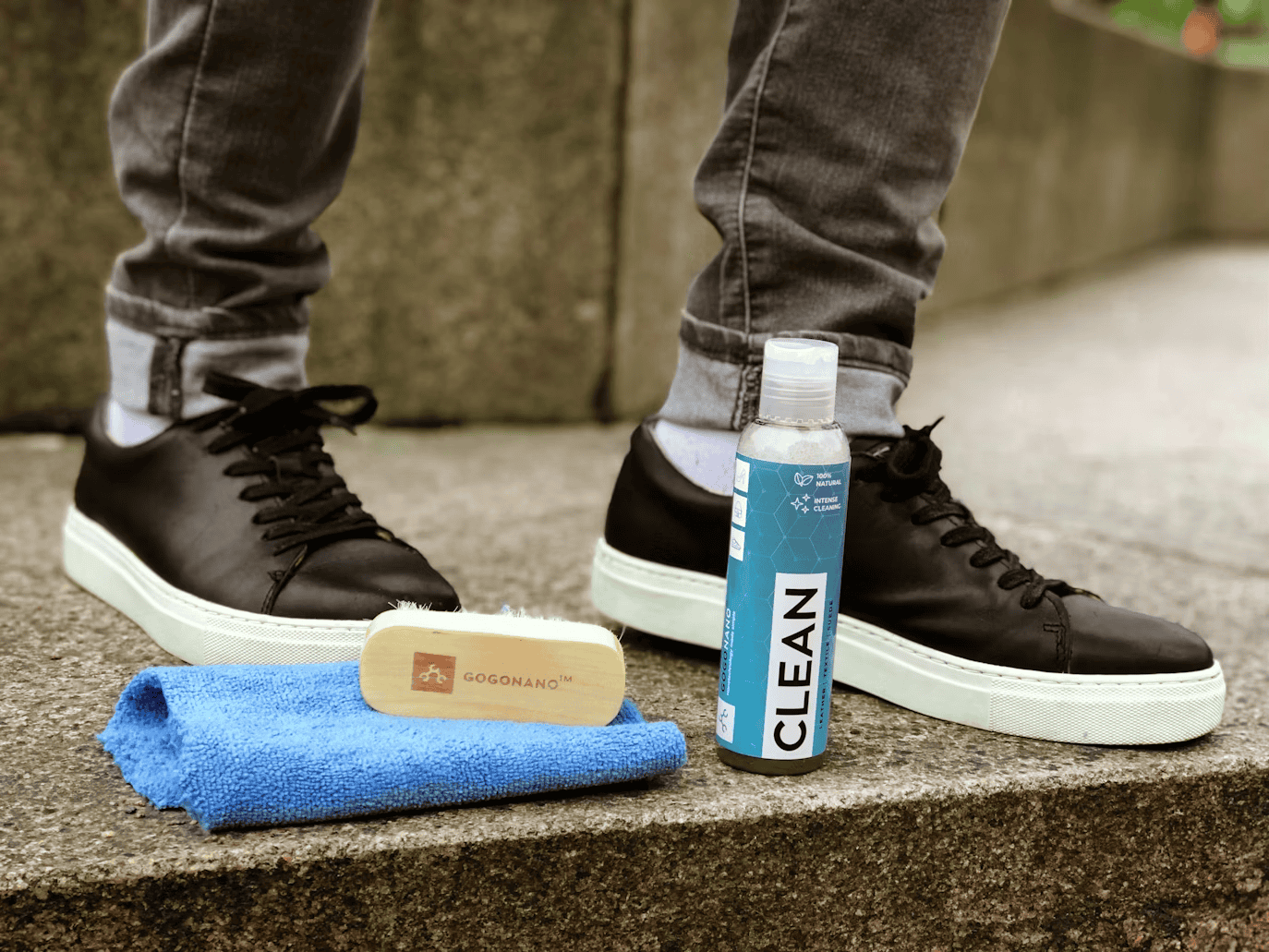
Thrifted shoes are a great way to save money, but hygiene should always be a top priority. When you buy secondhand shoes, you’re not just getting a deal—you’re also inheriting whatever bacteria, fungi, or dirt the previous owner may have left behind.
That’s why sanitizing thrift store shoes isn’t just a good idea, it’s essential. Shoes collect sweat, skin cells, and sometimes fungal spores. Without proper cleaning, these can lead to foot odor, athlete’s foot, or even nail infections.
I never wear a pair of secondhand shoes until I’ve disinfected them fully, inside and out.
One common concern is odor. Used shoes, especially those stored improperly, often carry a lingering smell. Another is moisture buildup, which can cause mold in leather or fabric linings. There’s also the risk of hidden dirt in seams, soles, and insoles—areas where bacteria thrive.
Even clean-looking shoes can pose a health risk if they haven’t been sanitized properly.
For me, cleaning thrifted shoes is about feeling safe wearing them. It gives me peace of mind that I’m not bringing hidden germs into my home. Whether I’m dealing with suede shoes, sneakers, or boots, I always start by eliminating any potential health hazards first.
With the right steps, secondhand shoes can look, feel, and smell like new without the risk.
Preparing to Clean Your Shoes
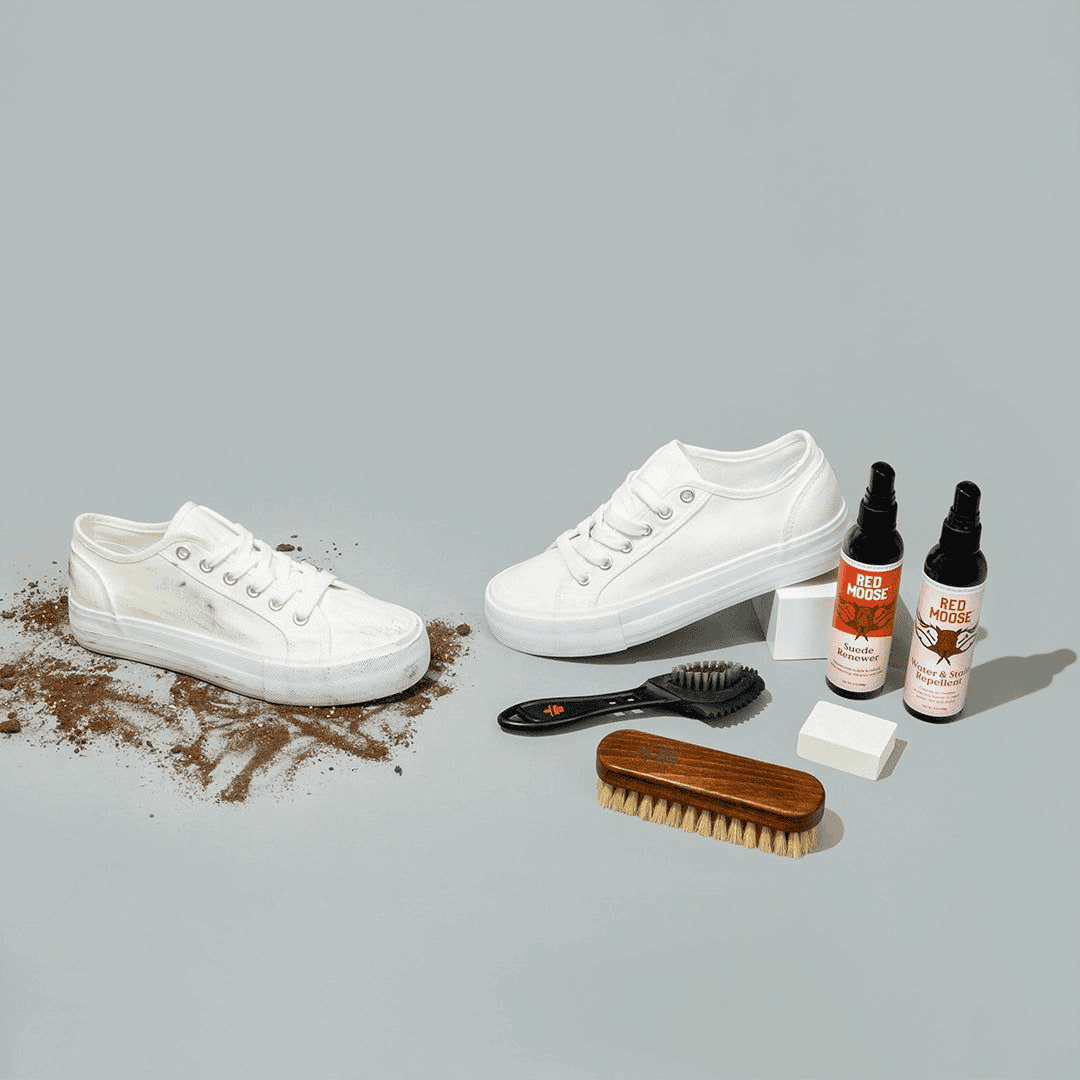
Credits: @redmooseusa / Pinterest
Before you start scrubbing, it’s important to know what kind of shoes you’re working with. Thrifted shoes come in a variety of materials (e.g., leather, suede, canvas, and mesh) and each one requires a different approach.
I always check the label or feel the texture to decide how to clean it safely. For example:
- Suede shoes need a gentle touch. I never use water directly on them, as it can stain or distort the texture.
- Delicate fabrics, such as mesh or satin, can tear if scrubbed too hard or exposed to strong chemicals.
- Leather shoes benefit from deep cleaning, but also require conditioning afterward to prevent cracking.
Once I’ve identified the shoe material, I grab a few essential tools:
- A spray bottle filled with equal parts water and white vinegar—my go-to natural disinfectant. It kills bacteria and neutralizes odors without damaging most materials.
- A soft brush or cloth to gently lift dirt.
- For leather, I always follow up with a good conditioner to keep the surface smooth and prevent drying.
The goal here isn’t to soak the shoes. It’s to lift dirt, kill germs, and prep them for safe wear. Taking time to prepare makes the cleaning process easier and helps avoid damage.
Once everything’s set up, I’m ready to dive into the actual cleaning steps with confidence.
How to Clean Thrifted Shoes Safely
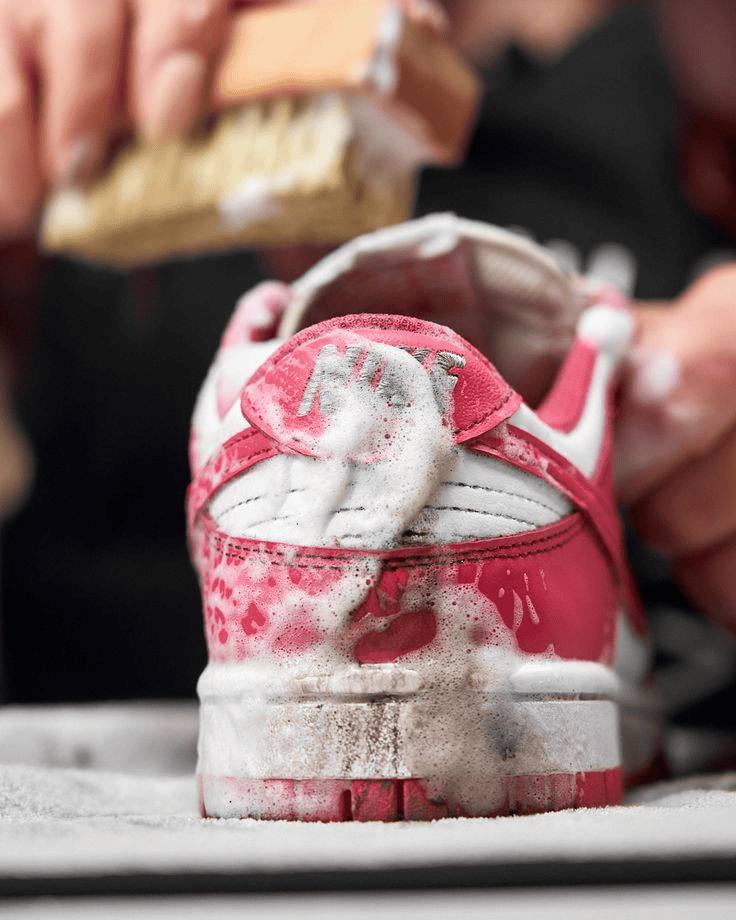
Credits: @Reshoevn8r / Pinterest
Once I’ve identified the material and gathered my supplies, I start with a natural disinfectant. I mix equal parts water and white vinegar in a spray bottle and lightly mist the inside and outside of the shoes. This kills germs and deodorizes without damaging most surfaces.
For general dirt, I dip a soft cloth in warm water and gently wipe down the shoe. It’s a simple yet effective way to remove surface grime. I avoid soaking the shoe especially suede or delicate fabrics because too much water can ruin the shape or finish.
When dealing with visible stains, particularly on soles or fabric, I use a mix of warm water and hydrogen peroxide. This combo works well on white sneakers and cloth shoes. I apply it with a soft brush and gently scrub in circular motions to lift stains without bleaching or damaging the material.
For stubborn stains, I avoid harsh scrubbing. Instead, I dab the area repeatedly and let the mixture sit for a few minutes before wiping clean. If needed, I repeat the process but I never rush. Taking my time helps clean thoroughly without causing damage.
Machine Washing Tips for Second-Hand Shoes
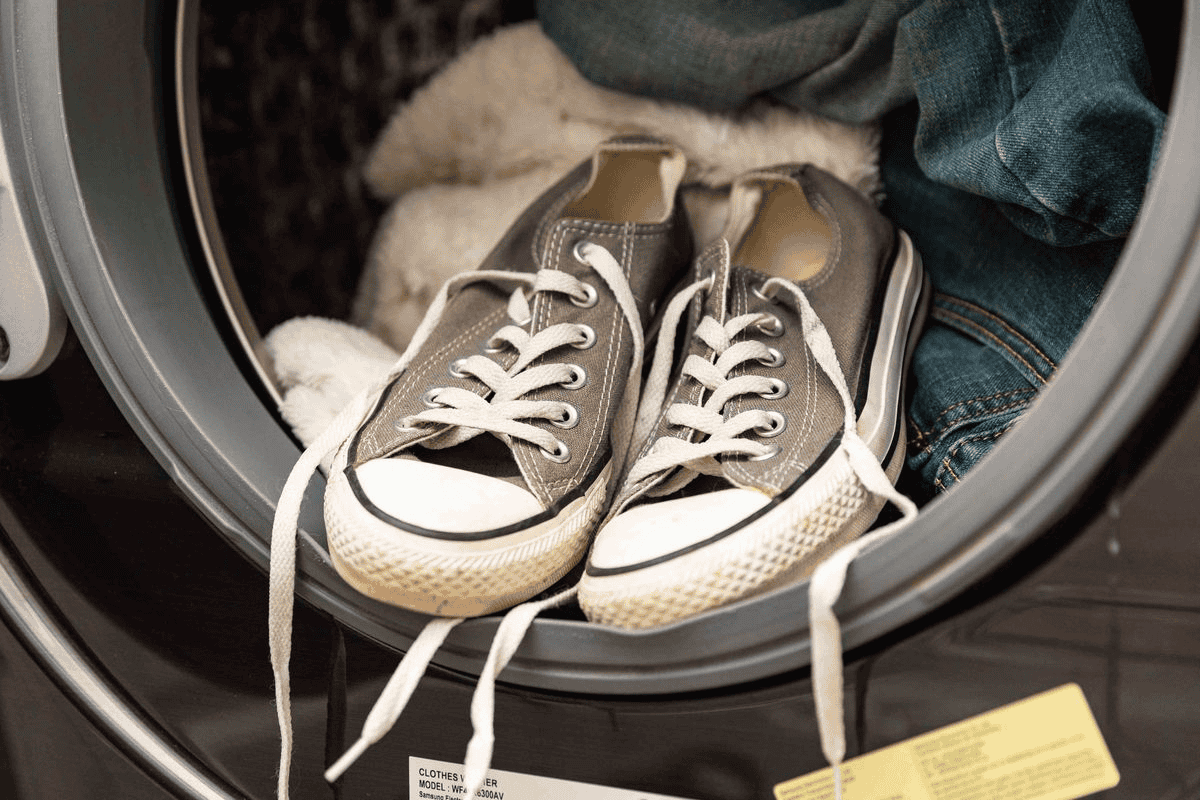
Credits: @thespruceofficial / Pinterest
The washing machine can save time if used correctly. I’ve found that machine washing works best for sturdy sneakers made from canvas or synthetic materials.
These materials can usually handle a spin cycle without falling apart. But for leather, suede, or shoes with glued soles, hand-cleaning is the safer option. The machine can weaken adhesives, shrink fabrics, or misshape the shoe entirely.
Before washing, I remove the laces and insoles to prevent tangling and allow for thorough cleaning.
I place the shoes in a mesh laundry bag or old pillowcase to protect them during the wash. Tossing in a couple of towels helps balance the load and cushion the shoes from banging around in the drum.
I choose a gentle cycle with cold or warm water. Hot water is too harsh—it can soften glue or cause materials to crack.
A small amount of laundry detergent is all I need. I avoid bleach and heavy fragrances, especially for delicate or pre-worn shoes.
Once the cycle finishes, I never put the shoes in the dryer. High heat can ruin soles or cause them to shrink.
Instead, I air-dry the shoes indoors or in a shaded area with good airflow. Direct sunlight can fade colors and dry out fabrics.
Machine washing secondhand shoes is possible, but not suitable for every pair. When in doubt, I opt for a hand wash—it takes longer but better preserves the material, shape, and comfort of your find.
Drying and Care After Cleaning
Credits: @mujerde10 / Pinterest
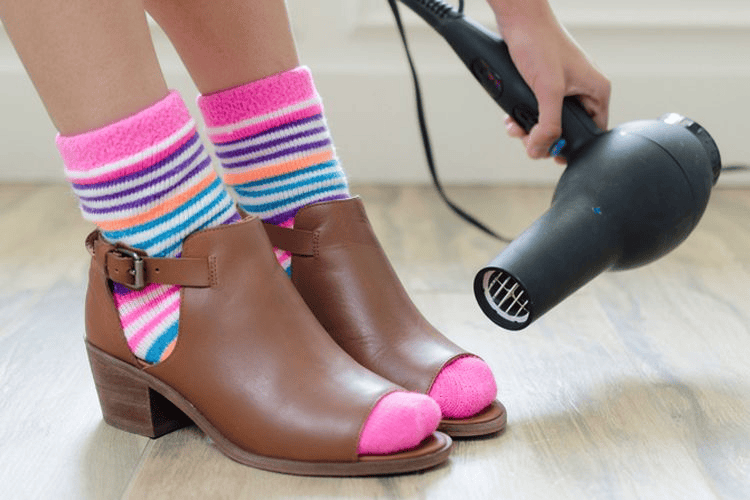
After cleaning thrifted or secondhand shoes, proper drying and aftercare are just as important. Poor drying habits can damage the shoe’s shape, materials, or even cause lingering odors.
I never dry shoes in direct sunlight. While it may seem fast, it can fade fabric, dry out leather, and weaken glue or stitching.
Instead, I place shoes in a well-ventilated space out of the sun. I stuff them with clean paper towels (never newspaper, which can transfer ink) to absorb moisture and help maintain their shape.
For suede or delicate fabrics, I use a fan or open window to speed up drying without heat.
Leather shoes need even more care. Sudden heat or direct drying can cause cracking or warping. I let them air-dry slowly at room temperature.
Once dry, I apply leather conditioner with a soft cloth to restore flexibility and keep the surface smooth. A good conditioner also gives thrifted leather shoes a refreshed look.
For shoes with fabric uppers or synthetic materials, air drying is best. I remove the insoles for full airflow and dry them upright or on a rack.
After drying, I check for any remaining odors or stains. If needed, I lightly clean again or reapply the vinegar-water disinfectant spray.
With the right drying and care routine, secondhand shoes can stay clean, comfortable, and in great shape for a long time. A few simple steps can go a long way.
Final Tips for Best Results
To get the most out of your thrifted shoes, follow a few final tips to keep them clean and wearable longer.
Start with a proper deep clean. Always remove the laces and insoles first for better access to hidden dirt and faster drying.
Use a mix of equal parts water and vinegar as a natural disinfectant, focusing on both the inside and outside of the shoes.
For stubborn spots, especially on white soles or fabric, apply warm water mixed with hydrogen peroxide. It lifts stains without damaging materials.
Be gentle, especially with suede or delicate fabrics. A soft brush and light touch are usually best.
Once the shoes are clean and dry, maintain them. I keep a basic care kit with disinfectant spray, a small brush, and leather conditioner. After each wear, I wipe them down and let them air out.
A little maintenance after cleaning goes a long way. It keeps thrift store finds fresh, comfortable, and ready for your next step.