
Why Vintage Veils Are Back
The veil never truly left, yet this season it feels new again. Couples want ceremony moments that read as art and as heritage at the same time. A vintage wedding veil delivers both. It frames the face, softens light, and adds movement that a dress alone cannot give. Designers are revisiting classic lengths and finishes, then pairing them with modern gowns and clean beauty choices. The result is romance that feels current rather than costume. If you are searching for a piece that turns a walk down the aisle into a quiet theatre, a vintage-inspired veil can be that finishing touch.
How To Choose Your Veil Length
Blusher And Birdcage For Short Drama
A blusher falls over the face for the first part of the aisle walk, then lifts for the vows. A birdcage veil is even shorter, usually a net that covers the eyes or cheekbones. Both give instant vintage energy with minimal weight. They suit civil ceremonies, city halls, art galleries, and cocktail-length receptions. They also love sleek column dresses and tailored jumpsuits.
Fingertip For Versatility
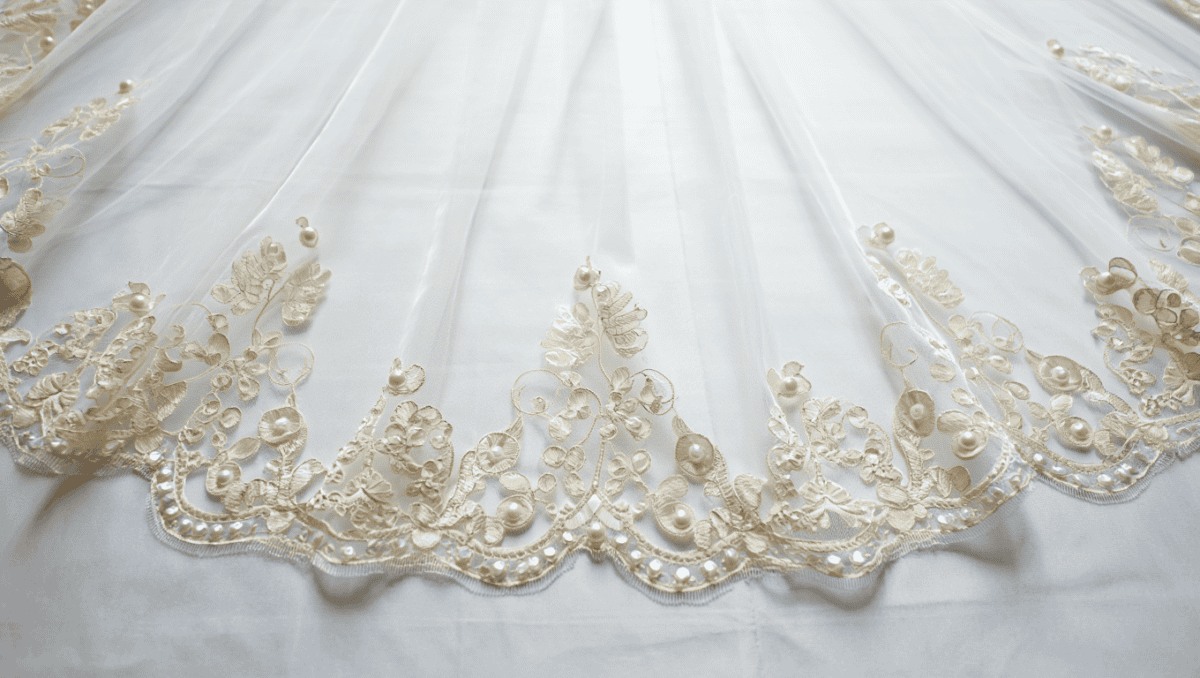
Fingertip length is a graceful middle ground. It flatters most heights and balances both slim gowns and full skirts. The edge can be raw cut for a cloud-like finish or trimmed with lace for a touch of heirloom detail. This choice works in gardens, lofts, and classic ballrooms without feeling bound to one decade.
Cathedral For Cinematic Impact
A cathedral veil is a ribbon of air that trails far behind you. It belongs to grand spaces and long aisles. On camera, it reads like a storybook romance. On a breezy lawn, it becomes a living sculpture. If your dress is simple and architectural, a cathedral-length veil adds softness without busy detail. If your dress already carries lace or beading, choose a veil with a clean edge so the eye can rest.
For helpful visual references and length guides, browse veil explainers on The Knot and styling galleries on Brides.
Edge Finishes And What They Communicate
Raw Cut For Modern Lightness
A raw cut veil ends in a soft line that almost disappears. It feels weightless and modern. It is also the easiest to style with strong earrings or a statement necklace since it will not compete.
Pencil Or Satin Cord For Graphic Outline
A slim edge outlines the silhouette in photos. It gives a little structure and reads well from a distance. This finish pairs well with minimalist gowns and venues that have strong architectural lines.
Lace And Mantilla For Old World Grace
A lace mantilla frames the face with a scalloped edge that usually begins at the crown and falls in a circle. It suits chapels, haciendas, historic homes, and gardens. If your gown has lace, choose a veil with a similar pattern scale so the textures do not fight. If your gown is plain silk or crepe, a mantilla adds heirloom romance without weight.
For history lovers who enjoy context, museum fashion archives such as the Victoria and Albert Museum provide wonderful insight into traditional lace and past bridal silhouettes. The main site offers inspiration for pattern and craftsmanship study at the V&A.
Materials That Photograph Beautifully
Tulle Weights And Movement
Most veils use nylon or silk tulle. Fine silk tulle floats and drapes with a soft fall. Nylon tulle holds a bit more body and can create a light cloud around the shoulders. Ask your stylist to show different weights so you can see how each behaves when you walk and turn.
Embroidery And Beading
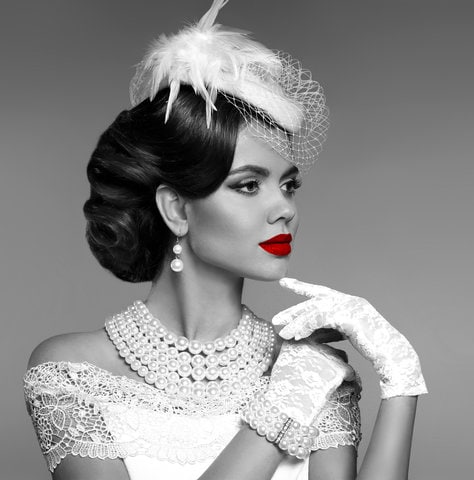
A sprinkle of pearls or crystal catches candlelight and up lighting. Keep placement delicate near the face so the sparkle does not distract from your eyes. Heavier beading belongs near the edge or toward the train, where it can shine without crowding the portrait frame.
Matching The Veil To The Gown
Minimalist Dress With Romantic Veil
If your gown is plain crepe, satin, or mikado, the veil can carry the romance. Consider a chapel or cathedral length with a lace border or a trail of pearls near the hem. The contrast between a clean dress and an ornate veil reads as fresh.
Ornate Dress With Simple Veil
If your gown features heavy lace or bold beading, choose a raw cut or pencil edge. Let the dress do the talking while the veil adds light and motion. If you wish for a little flourish, ask for a faint scatter of pearls that begins near the elbows and grows denser near the train.
Short Dress Or Suit With Birdcage
A birdcage veil pairs perfectly with short dresses, bridal suits, and retro-inspired looks. Add a small bow, a velvet ribbon, or a miniature pillbox base if you want even more midcentury charm.
Working With Bridal Hair Accessories
Combs, Pins, And Headbands
Veils need a secure anchor. A hidden comb sewn into the veil is standard. You can add decorative pins for sparkle around the anchor point or layer a slim headband that sits in front of the comb. Keep shapes delicate near the face. The veil should be the soft focus lens, while bridal hair accessories act as quiet punctuation marks.
Flowers And Fresh Green
Silk flowers built into a comb can sit at the side with a birdcage or at the nape with a fingertip veil. Fresh blooms also work when stems are wrapped well. Ask your florist for small-headed varieties that dry gracefully, such as spray roses or wax flowers.
Placement For Balance
High at the crown gives height and a classic line. Low at the nape gives a modern, relaxed feel. Try both with your stylist while wearing your actual shoes so you can assess proportions accurately.
For tutorials and trend roundups that show real placements, review style guides on Brides and hair accessory collections at established ateliers through The Knot.
Practical Prep For The Big Day
Trial Appointments
Book a hair and veil trial on the same day as a dress fitting if possible. Bring the veil, the comb, and the accessories. Walk, sit, stand, and practice a turn. Ask a friend to film your movement. You will notice if the veil catches on a bracelet or a dress detail, so you can adjust before the wedding week.
Weather And Venue Notes
Outdoors calls for discretion. Silk tulle loves a breeze yet can lift dramatically. Add two tiny hidden magnets or a discreet weight near the corners of a long veil so it settles quickly after a gust. Indoors allows for lighter materials since airflow is controlled. In historic spaces, confirm any rules about long trains and candles near the aisle so your veil remains safe.
Safety With Heels And Steps
Practice climbing steps with an attendant holding the veil two paces behind you. On the day, your stylist or a friend can lift the trailing edge before you turn so it does not wrap around ankles or chair legs.
Photography And Ceremony Choreography
Frame The Face During The Processional
Ask your photographer for one close frame that shows eyes through tulle and one profile frame as you approach the altar. A veil gives a glow and soft diffusion that flatters skin and light.
The Lift
If you wear a blusher, decide who lifts it and when. Some couples wait until the vows. Others lift just before the first reading. Practice the lift so it rises smoothly and lands behind the head without disturbing hairpins.
The Kiss And The Recessional
For a long veil, the best kiss frames are captured from slightly behind you as the fabric fans across the floor. On the way back down the aisle, walk slowly so the veil drifts and the photographer can catch one wide frame and one mid frame with guests applauding.
Care Storage And Heirloom Plans
Before The Wedding
Store the veil in a breathable garment bag hung high so it does not crease at the tips. If creases appear, a steamer on a gentle setting will relax tulle. Keep beaded areas away from direct heat and handle lace with clean, dry hands.
After The Wedding
If you plan to save the veil as an heirloom, ask a preservation service to clean and pack it in acid-free tissue. If you prefer to reuse it in daily life, consider transforming a lace mantilla edge into a scarf for anniversaries or sewing a small section into a christening blanket or a keepsake pillow.
Budget And Smart Shopping
Where To Invest
Spend on quality tulle and on edge work. Fine silk tulle drapes beautifully in photos. Hand-finished lace and carefully sewn combs prevent snags and slips. Fit and finish matter more than a designer label that no one will see.
Where To Save
Vintage shops and family attics can hold treasures. A simple raw cut veil is often affordable and can be custom cut to your height. If you adore an heirloom veil that is fragile, layer it over a new base so it is protected while still visible.
For shopping checklists and brand directories, explore the marketplace and designer sections on The Knot and the accessory roundups on Brides.
Picture Ideas And Alt Text Notes
Portrait Frames
Close portrait with veil across eyelashes. Alt text. Bride looks down as light filters through tulle.
Profile frame during the aisle walk. Alt text. Veil lifts slightly as the couple moves toward the altar.
Detail Frames
Edge close up that shows lace pattern or pencil trim. Alt text. Hand holds tulle with scalloped lace.
Comb and accessory styling. Alt text. Veil comb sits beside pearl pins on a linen tray.
Movement Frames
Wide room shot with cathedral-length veil spread behind. Alt text. Veil flows along the aisle as guests smile.
Recessional laugh with veil in motion. Alt text. Couple exits while tulle drifts in soft light.
Final Thoughts
A vintage wedding veil is a painterly tool and a piece of living heritage. Choose a length that suits your room, an edge that suits your gown, and accessories that secure everything with quiet grace. Practice the lift, test the walk, and plan two or three frames you know you want for the album. With those simple steps, your veil will not just complete the look. It will become the visual line that ties your ceremony together and the detail that your guests remember when they think about how beautiful the day felt.