
It’s not so much about rigid rules when figuring out how to wear vintage clothes without looking like you’ve stepped out of a time machine, as it is about getting the right balance and how things fit together. Vintage clothing has its own very particular feel, tied to the time it came from – and that’s why we like it.
But if you don’t think about how you’re putting it together, it’s easy to end up looking as if you’re in a play, or just overly stuck in the past.

How to Style Vintage Clothes
The idea isn’t to recreate the past exactly, but to give it a new life. By carefully mixing vintage items with things from today, you get an outfit that feels current, polished, and is uniquely you, not something out of a museum.
Don’t Wear a Full Vintage Outfit
Don’t wear a whole outfit from one vintage period.
If you go completely for a single era, it tends to lose any personal touch and feel theatrical. It’s usually not very practical for everyday wear. Instead, adding one or two vintage things to a normally modern outfit creates a nice contrast and makes the outfit more interesting to look at.
For instance, a neatly shaped vintage skirt looks great with a top that’s from now; the skirt gets to be the focus, without the whole outfit being too much. Doing it this way makes it seem intentional, rather than as if you’re performing.

Mix Vintage with Modern Basics
Most good vintage outfits include modern basics.
Simple, understated items, such as a plain t-shirt, smart trousers, and jeans, help to anchor the vintage item. They act as a calm backdrop for the more special vintage pieces to fit into your current wardrobe.
A really striking vintage blouse is much easier to wear with simple, well-fitting jeans. This tones down the blouse’s historical aspect and makes the whole thing more approachable.
And that contrast between old and new is what actually makes the look work in the present.
Focus on Fit and Shape
How something fits, and its shape, are important for making an outfit look good now, or as if it’s from the past.
Vintage clothes were made for different body shapes and with different ways of cutting, so sizes can be very different. Something that’s the wrong size – too big or too small – throws off the proportions and makes the outfit seem less carefully thought out.
Getting a good fit, either by choosing carefully or having it altered a little, makes a huge difference. Things with a clear shape that sit nicely on your shoulders and pull in at the waist will tend to look better with today’s styles.
A vintage piece that fits well doesn’t age; it looks as if you’ve chosen it carefully.
Be Careful with Color and Pattern
Be careful with color and pattern. They are very often vintage clothing, and need a delicate approach.
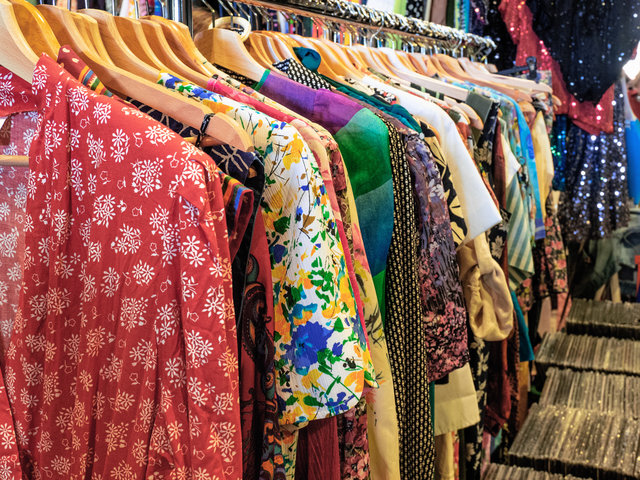
A lot of vintage clothes have strong patterns or striking colors. They add personality, but using too many of them at once can be overwhelming. Restraint is key.
If one item has a lot going on in its colors or print, the rest of the outfit should be fairly plain. Using modern colors like black, white, stone, or denim balances things out.
Using color in a controlled way makes the outfit feel cohesive as a whole, rather than a mess.
Use Modern Accessories
Modern accessories can totally change how an outfit feels.
Team a vintage item with current shoes, bags, and jewelry, and it suddenly feels like today. Simple, modern accessories stop the outfit from feeling stuck in a particular time.
For example, a vintage dress and sleek, contemporary shoes create a deliberate and current contrast. And fairly simple jewelry is better than lots of vintage pieces that are all about the past.
These small changes to the outfit make a big difference in how it is seen.
Keep Hair and Makeup Modern
And don’t forget how you do your hair and makeup.
The way you do your hair and makeup is also important to how a vintage outfit is understood. If you wear vintage clothes with hairstyles and makeup from the same era, it often looks too polished or theatrical.
Instead, a modern, simple approach creates a balance. Natural makeup and easy-going hairstyles give contrast and stop the outfit from looking old-fashioned.
This lets the clothes be the interesting part, without the whole look being too much.
Don’t Overstyle the Outfit
Trying to cram too many vintage things into one outfit can create a busy, cluttered look. Instead of improving it, it often makes it heavy and as if you’ve tried too hard.
It’s much better to focus on one special vintage piece and build the outfit around that. This makes things clear and means each item has a chance to shine without all of them fighting for attention.
Keeping it simple makes the outfit look sophisticated instead of over the top.
Confidence Makes the Look Work
How you wear the outfit is what makes it work.
Vintage clothes will naturally get noticed because they are different from what most people wear. It might feel a little strange at first, but it’s a chance to show your own style.
If you’re confident, the outfit will look natural, not as if you’re being forced into it. Even the most unusual vintage items look effortless when you wear them with ease.
It’s not just the clothes that make the look, it’s how you feel in them.
Final Thoughts
Finally, knowing how to wear vintage clothes without looking outdated is about thoughtfully including them, not completely changing yourself. By mixing vintage items with modern things, thinking about fit and keeping it simple, you can make an outfit that feels both classic and relevant.
Vintage clothes should be part of your own style, not take it over. If you approach them with balance and purpose, they become a good way to be different and still feel completely in the present.