
Have you ever wondered what are the best ways to pack clothes for moving? Packing clothes efficiently can make a big difference when relocating to a new home. While the excitement of a fresh start is undeniable, the process can feel overwhelming—especially when it comes to packing your wardrobe.
What seems like a simple task can quickly become stressful without the right strategy. Proper packing not only protects your clothing during the move but also makes unpacking far more efficient.
Packing clothes the right way helps maximize space, protect delicate items, and reduce the risk of damage or wrinkles. Whether you’re moving locally or long-distance, several proven strategies can streamline the process.
This article gives easy, expert tips to help you pack clothes faster, save space, and reduce stress during your move. Whether you’re moving nearby or far away, these strategies will help you stay organized and make better packing choices.
Key Takeaways
-
Efficient clothing packing saves time, space, and stress during a move by protecting garments and simplifying the unpacking process.
-
Using the right packing materials—like garment bags, vacuum bags, boxes, and bins—helps keep clothes organized, clean, and wrinkle-free.
-
Packing techniques such as folding, rolling, and using dresser drawers can be tailored to different clothing types for better space management and garment care.
-
Organizing clothes by type, season, and destination room makes unpacking easier, while essentials bags and proper labeling ensure quick access to what you need.
Essential Packing Supplies for Clothes
Credits: @backpacks / Pinterest
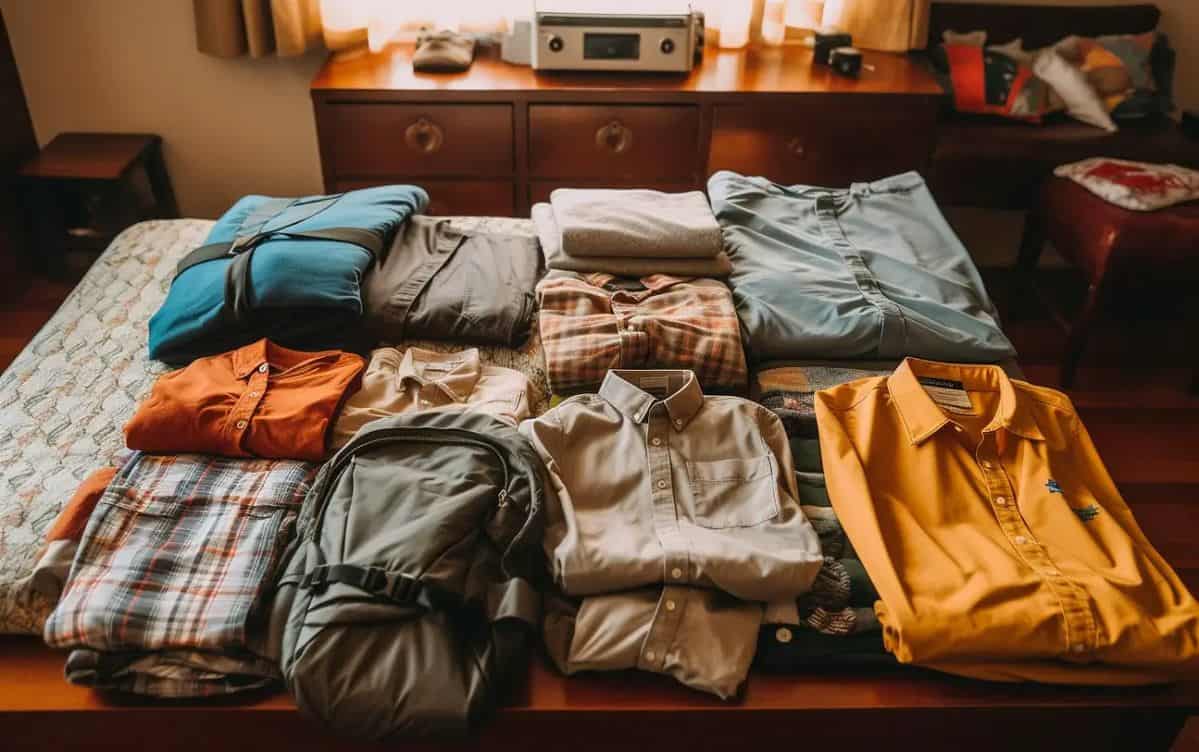
Packing clothes involves more than just tossing them into boxes. The key to a smooth, organized move lies in choosing the right supplies. Depending on the type of clothing and the distance of your move, certain materials and methods work better than others.
Below are the most essential packing supplies to keep your wardrobe organized and protected.
Duffel Bags and Garment Bags for Easy Transport
Credits: @bespokepost / Pinterest
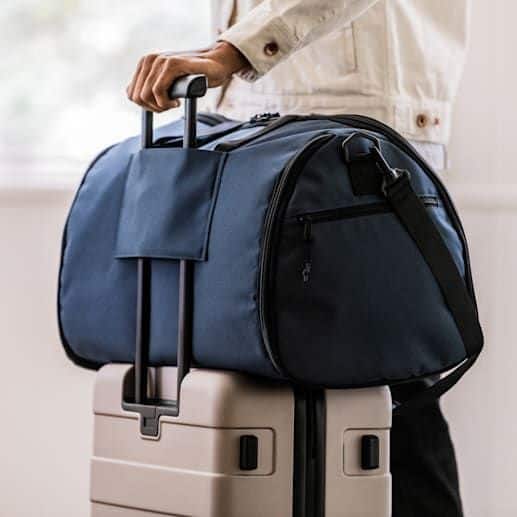
When it comes to transporting clothes, duffel and garment bags are two of the most reliable options available. For bulkier items such as coats, jackets, or even formal wear, duffel bags provide ample space and flexibility.
They are the best option for clothes that you might need to access quickly. Since duffel bags are usually made from durable materials, they also provide extra protection from dirt or moisture during transport.
On the other hand, garment bags are specifically designed for hanging clothing, such as dresses, suits, or even delicate garments like a wedding dress. These bags allow you to keep items hanging upright, which reduces the chances of them becoming wrinkled.
Garment bags are ideal for formal wear or other clothing that requires extra care, ensuring that your clothes remain in pristine condition during the move.
The added benefit of garment bags is that they also allow for easy access, meaning you don’t have to spend time ironing your clothes after the move.
Vacuum Bags and Compression Bags to Save Space
Credits: @explore / Pinterest
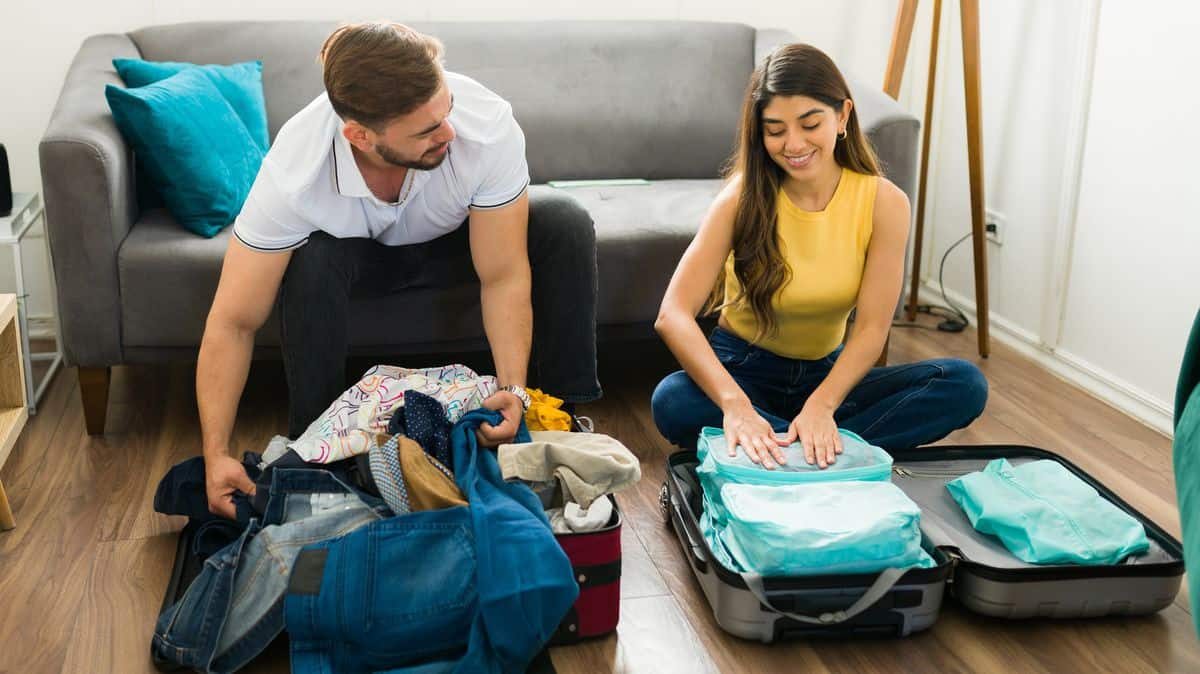
One of the most space-efficient methods of packing clothes is using vacuum bags or compression bags. These bags are designed to remove air from the packaging, which helps to shrink the size of your clothes significantly.
This is particularly useful for items that are only needed during specific seasons, such as winter coats or heavy sweaters. By vacuum-sealing these items, you free up valuable space in your moving truck.
Vacuum bags are also great for off-season clothes, like summer clothes during a winter move or vice versa. They provide an excellent way to store clothing long-term or transport it without taking up much space.
When packing for a long-distance move, this method is especially helpful, as it reduces the volume of clothes that need to be packed, allowing for more room for other belongings. Just be sure to leave some breathing room in the bags to prevent the items from becoming too compressed, which could lead to damage.
Boxes, Plastic Bins, and Trash Bags for Organization
Boxes and plastic bins are the most commonly used containers for packing clothes. For most clothing items, standard cardboard boxes work just fine.
However, it’s essential to label your boxes properly to avoid confusion when unpacking. Boxes are ideal for folded clothing or clothing that doesn’t need to stay hanging. For example, t-shirts, socks, and pants can all be packed neatly in boxes.
Plastic bins are a bit sturdier than cardboard boxes and offer better protection against moisture or dirt. They are also stackable, making them easier to load into a moving truck.
If you’re making a local move, plastic bins are perfect for storing clothing items that you want to keep organized and easily accessible.
For clothes that need temporary protection or those that aren’t as delicate, trash bags or garbage bags are a quick and easy solution. These can be used for lighter items like towels or blankets, or even for dirty clothes that need to be packed separately.
While they’re not as protective as plastic bins or garment bags, they do serve their purpose when used properly. If you’re using garbage bags, it’s best to pack them lightly and ensure that they’re well-tied to avoid accidental rips or tears.
Packing Paper, Tissue Paper, and Bubble Wrap for Protection
Credits: @moveadvisor / Pinterest
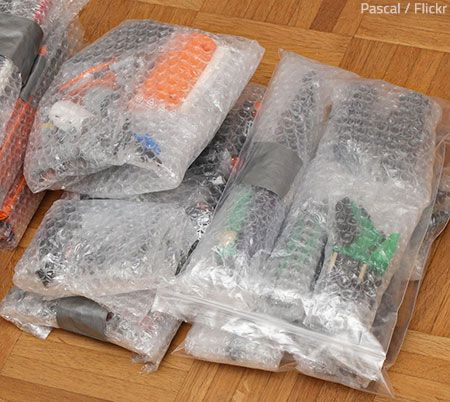
When it comes to protecting delicate clothing, such as formal wear, wedding dresses, or expensive garments, you’ll need additional layers of protection. Packing paper, tissue paper, and bubble wrap can all help cushion your clothes, ensuring they arrive at your new home without damage.
Packing paper is a great way to line boxes or wrap individual pieces of clothing. It’s lightweight and protective, making it a good idea for more delicate items.
Tissue paper offers a softer layer of protection, especially for fragile items or clothes with embellishments like sequins or embroidery.
For very delicate garments, such as a wedding dress or high-end evening gowns, bubble wrap is your best bet. Bubble wrap provides a cushion that keeps these items from getting damaged during the move. Simply wrap the clothing in tissue paper first, and then use bubble wrap to provide an extra layer of cushioning and protection.
How to Pack Clothes Efficiently
With your supplies ready, it’s time to get organized. The goal is to pack in a way that maximizes space, prevents wrinkles, and keeps clothes in good condition.
Flat Folding vs Rolling Clothes for Bulky and Delicate Items
Credits: @travelfashiongirl / Pinterest
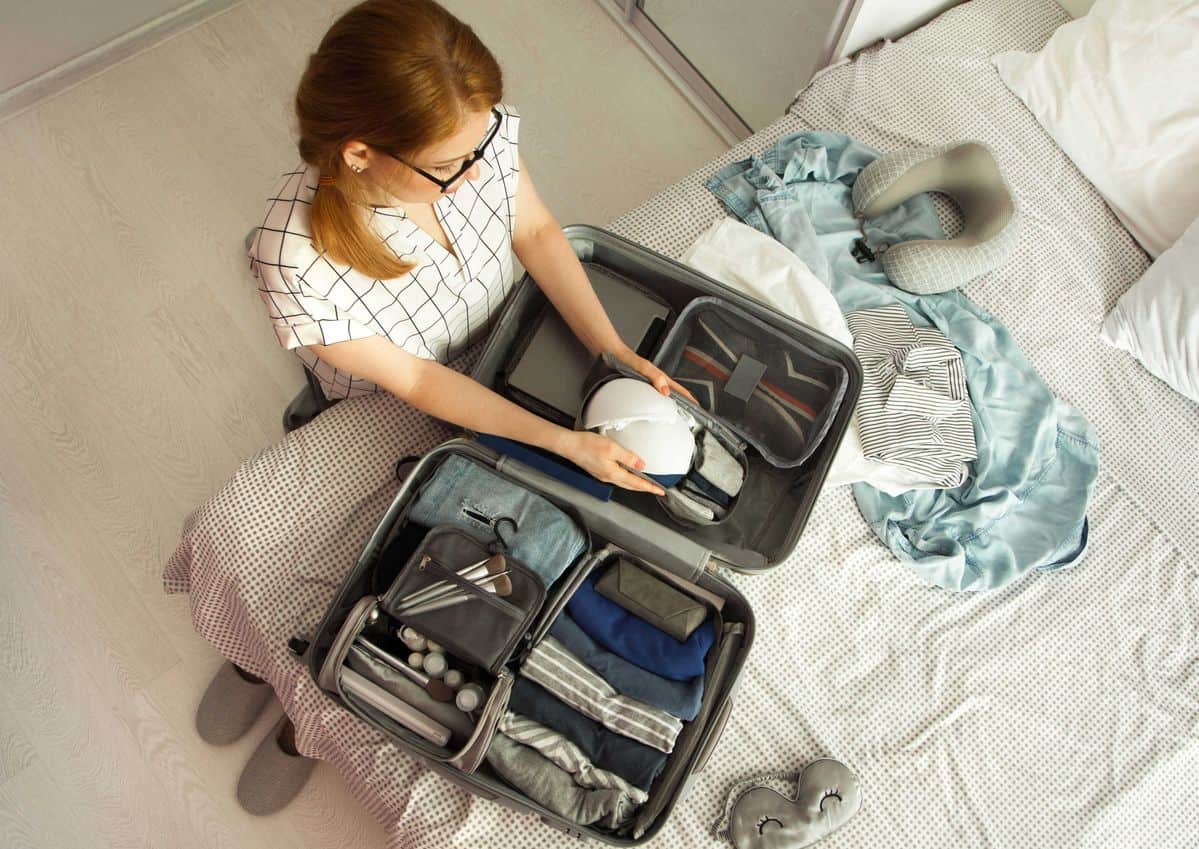
When packing clothes, there are two primary methods to consider: flat folding and rolling. The method you use depends on the type of clothing being packed.
Flat folding is ideal for bulky items, such as sweaters, coats, or any clothing made from heavier fabrics.
When folding these items, be sure to fold them neatly and place them in boxes or plastic bins. Flat folding prevents fabric from becoming overly compressed, which could lead to wrinkles or creases in the clothes.
For longer garments, like coats or dresses, flat folding works well, as it ensures they maintain their shape and don’t become misshapen.
For lighter clothes, such as t-shirts, jeans, and socks, rolling is a more efficient method. Rolling clothes reduces wrinkles and creates more space in your boxes, allowing you to pack more items in the same amount of space.
Rolled clothes are also easier to access once they arrive at your new location, as you can simply unroll them and find what you need quickly.
Using Dresser Drawers to Save Time and Space
Credits: @ladydecluttered / Pinterest
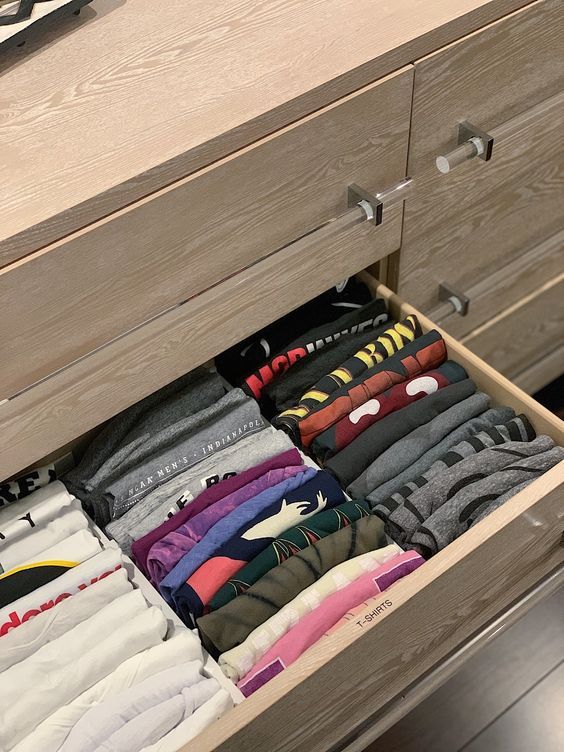
If you want to save both time and space, consider packing your clothes directly in dresser drawers. This is one of the easiest ways to pack clothing without having to fold or roll items individually.
For local moves, you can leave clothes in the drawers and simply tape them shut. This saves time and keeps items in their original order, so you don’t have to go through the extra step of repacking them.
When packing for a long-distance move, you may want to secure the drawers with packing materials like bubble wrap or packing paper to ensure that nothing shifts during the journey.
You may also want to take a few extra moments to pack any smaller items, such as socks or underwear, that might fall out of the drawers during transport.
Packing Hanging Clothes with Garment Bags or Wardrobe Boxes
Credits: @walmart / Pinterest
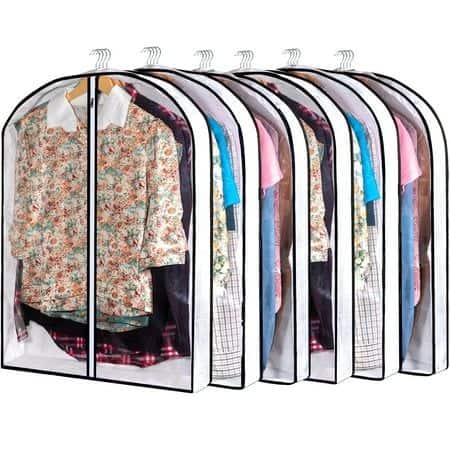
For clothing that needs to stay hanging, such as suits, dresses, or formal wear, the best approach is to use garment bags or wardrobe boxes.
Wardrobe boxes are tall boxes with a hanging rod inside, which allows you to keep your clothes upright and free from wrinkles. This method is particularly useful for formal wear like wedding dresses or suits, as it ensures they don’t get crushed or damaged during the move.
If wardrobe boxes aren’t available, garment bags are a great alternative. You can pack several items into one bag and hang it in the moving truck or place it in a closet in your new home.
This method keeps your clothes safe, clean, and wrinkle-free, especially for delicate garments that need to stay pristine.
Separating Clean and Dirty Clothes
One of the biggest mistakes people make when packing clothes for a move is mixing clean clothes with dirty clothes. To avoid unpleasant odors or the need for additional washing upon arrival, make sure to separate your dirty clothes before packing. Use plastic bags or vacuum-sealed bags to store dirty clothes, and keep them separate from your clean garments.
If you’re making a long-distance move, packing dirty clothes separately also ensures that any lingering odors don’t permeate the rest of your clothing.
Additionally, it’s a good idea to pack a separate pile for clothes that need to be dry cleaned, so they are easily accessible when you arrive at your new location.
Packing Shoes and Valuable or Formal Wear Carefully
Credits: @smartertravel / Pinterest
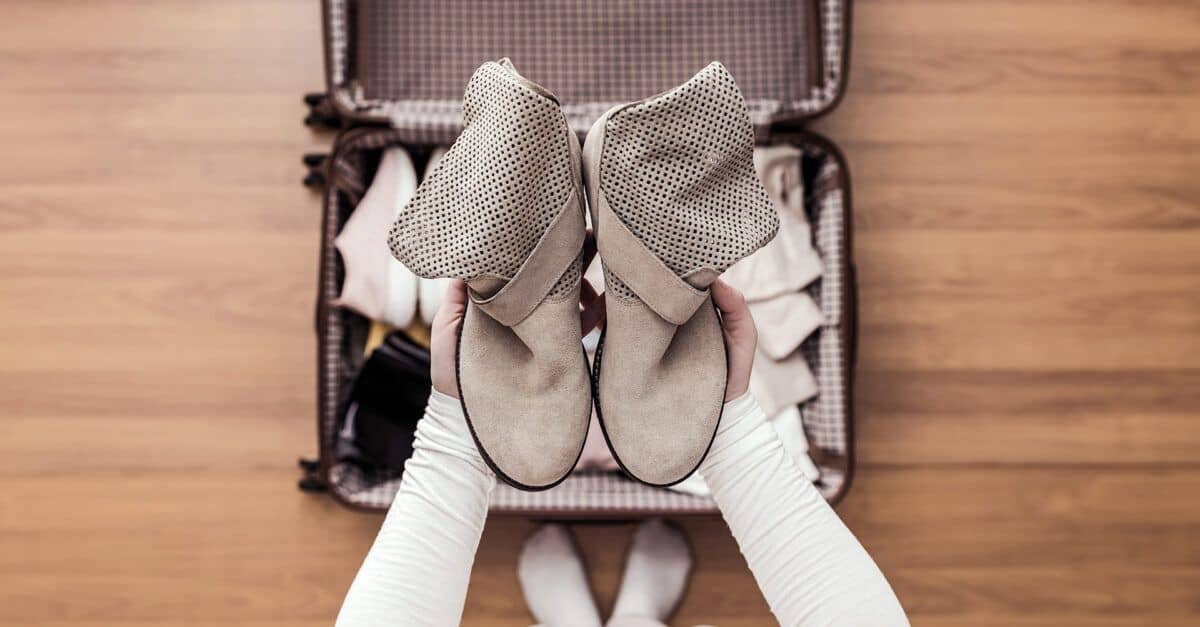
Shoes are another item that needs careful attention during packing. For formal shoes or delicate footwear, it’s important to wrap them in tissue paper and place them in their original boxes if available.
For long-distance moves, vacuum-sealed bags can help save space and prevent damage. When packing shoes, always ensure that the soles are protected from dirt, moisture, or other contaminants that could damage them.
As for valuable items, such as high-end formal wear or designer garments, these should be handled with extra care. Packing paper, bubble wrap, and garment bags should be used to ensure that your valuable items remain in pristine condition.
Consider investing in a professional moving company for these items to avoid the risk of damage during transit.
Organizing Clothes for Easy Moving and Unpacking
Credits: @viralrang / Pinterest
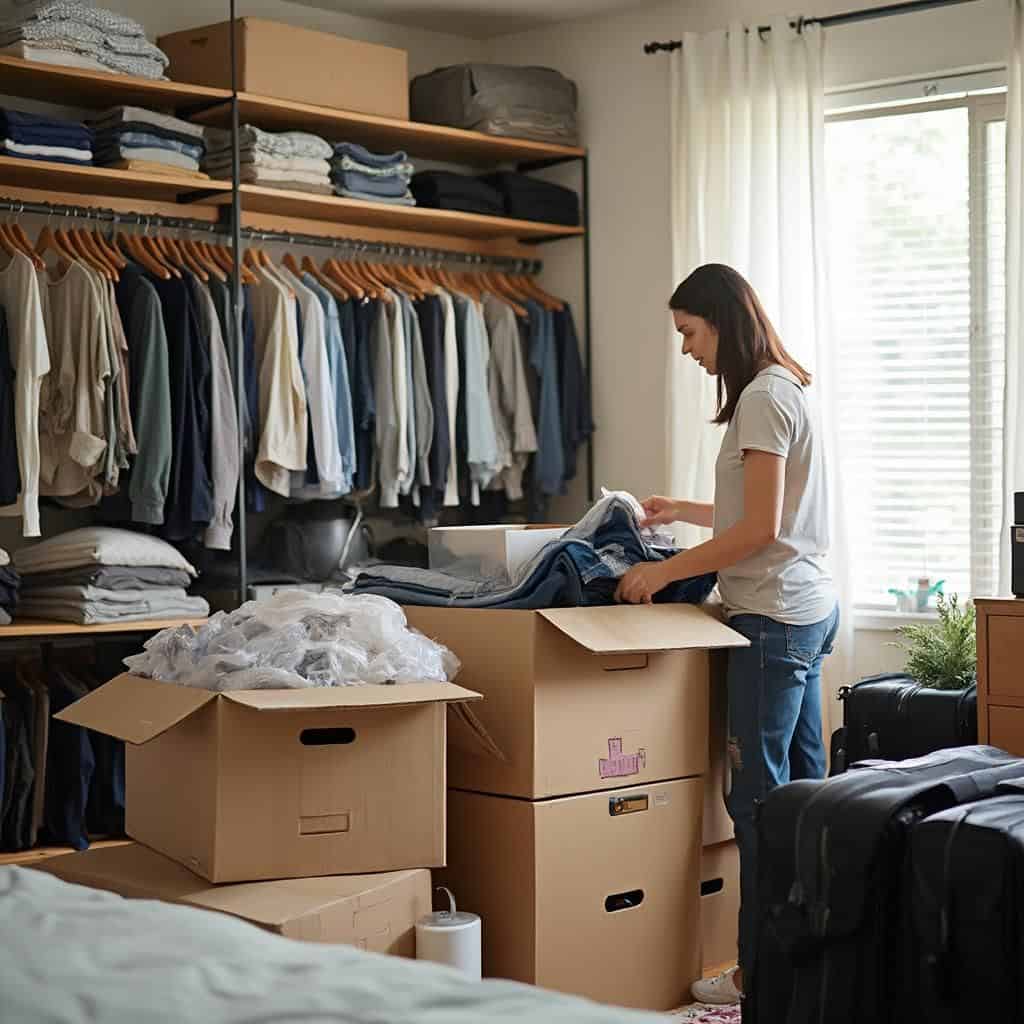
Efficiently packing clothes is only one part of the process. The way you organize your clothes during the move also plays a big role in how quickly and easily you’ll be able to unpack once you arrive at your new home.
Labeling Boxes by Clothing Type or Season
Labeling boxes is one of the most essential organizational steps when moving clothes. By labeling boxes according to clothing type or season, you can easily identify what’s inside without having to open every single box.
For example, labeling boxes “Winter Coats” or “Summer Clothes” will help you find exactly what you need as soon as you arrive at your new location.
If you’re moving long distances, this becomes even more important. Since you may not need all your clothes immediately, sorting them by season ensures that you don’t have to unpack everything at once.
This also allows you to prioritize the clothing you’ll need first, such as a few outfits for the first week in your new home.
Packing Essentials Bags for Quick Access
Packing essentials bags is crucial for making the transition to your new home easier. These bags should include the items you’ll need immediately upon arrival—think toiletries, a change of clothes, pajamas, and anything else you might need for the first few days in your new place.
By packing an essentials bag, you can avoid the frustration of digging through boxes or waiting to unpack everything to get what you need.
Tips to Avoid Odors and Keep Clothes in Good Condition
Keeping your clothes in good condition throughout the move is essential, and this starts with ensuring that they’re well-protected from unpleasant odors.
Using vacuum storage bags, compression bags, or even simple fabric softener sheets can help keep your clothes fresh and free from smells during the move. Be sure to pack your clothes only after they’ve been washed and dried, as this will help prevent any unpleasant odors from developing over time.
Planning for Your New Home and Destination Room
The unpacking process can be made much easier if you plan ahead for your new space. Before you move, take a few moments to think about where your clothing will go in your new home.
For example, if you’re moving into a new location with a smaller closet or less storage, you may want to prioritize items that need to be unpacked first. Consider labeling boxes according to destination rooms, like “Master Bedroom” or “Guest Room,” to make the unpacking process more efficient.
Special Tips for Long-Distance and Local Moves

Credits: @mommyish / Pinterest
Packing clothes for a long-distance move versus a local move requires slightly different approaches. Here are some special tips for both scenarios:
Handling Bulky and Bulkier Items Smartly
For long-distance moves, bulkier items such as coats, blankets, or bedding can take up significant space in the moving truck. Vacuum bags or garment bags are great solutions for keeping these items compact and protected. When moving locally, you can also use plastic bins for bulky items that need to stay organized and protected.
Extra Protection and Care for Delicate Garments
Delicate garments, like formal wear, require extra protection regardless of whether you’re moving locally or long distances. Wrap delicate items in bubble wrap and store them in garment bags to prevent them from getting damaged or wrinkled.
When to Use Professional Movers or Storage Units
For a long-distance move, consider hiring professional movers who specialize in transporting clothing and delicate items. These movers have the expertise and equipment to ensure your clothes arrive safely at your new home.
If you’re dealing with more belongings than your current space can handle, storage units offer an excellent solution to keep everything organized and secure.
Selling or Donating Clothes Before Moving
The perfect time to declutter your wardrobe is during a move. Selling unwanted items through an online marketplace or donating clothes you no longer wear is an excellent way to reduce the amount of clothing you need to pack. A yard sale or donating to charity not only helps lighten your load but also contributes to others in need.
Conclusion
Packing clothes doesn’t have to be stressful. With the right supplies, smart techniques, and a bit of planning, your wardrobe can arrive at your new home in great shape and be easy to unpack. Whether you’re moving across town or across the country, these expert tips will help make the transition smoother—and get you settled into your new space faster.