
Why Vintage Hats Were Once a Daily Fashion Essential
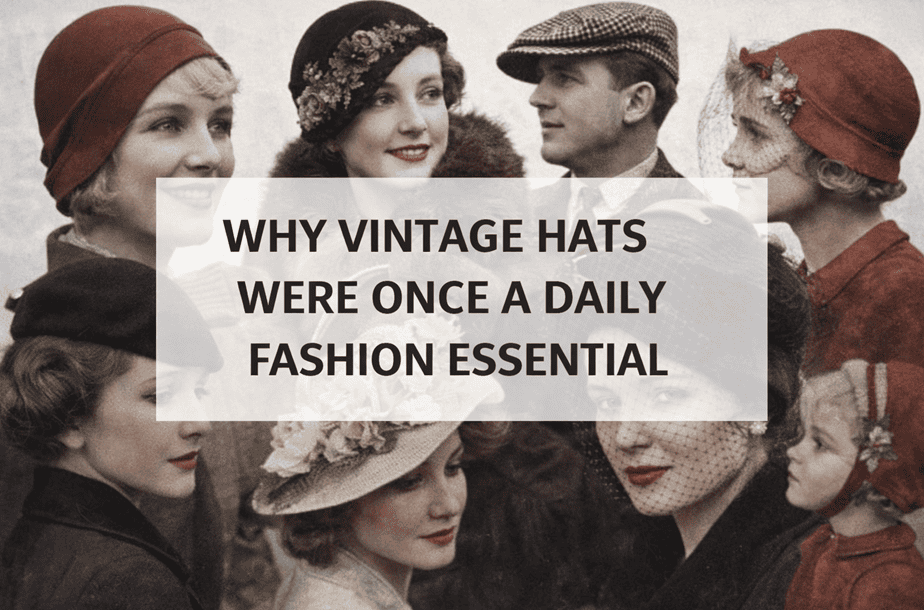
Vintage hats were once an important aspect of day-to-day fashion. In the early and mid-twentieth centuries, it was rare for a person to step out of the house without a hat on his or her head. Hats were not simply a practical device of protection from the elements of the sun or weather, but were an important part of personal appearance and social etiquette.
During this time, dressing was supposed to be full and good-looking. A hat was often thought of as the final piece to an outfit. Whether someone was going to a job, church, or to make a purchase in a store in town, wearing a hat was part of daily life.
Why Vintage Hats Were Part of Daily Fashion Essential
The popularity of vintage hats was also driven by both fashion and social expectations of the era.
Hats as a Part of Social Etiquette
One of the reasons why vintage hats were so common was due to social customs. In many places, it was considered a sign of respect and good manners to wear a hat in public places.
Men frequently wore hats such as fedoras, trilbies, or flat caps when going out. These hats were part of normal business or formal attire. Removing the hat indoors was another expected gesture of politeness.
Women also wore hats on a regular basis, especially while attending church, social gatherings, or even formal events. A well-chosen hat was the last element completing the outfit and reflected attentiveness to image.
And because these customs were generally accepted, hats became a part of fashion, a daily habit.
Popular Vintage Hat Styles for Women
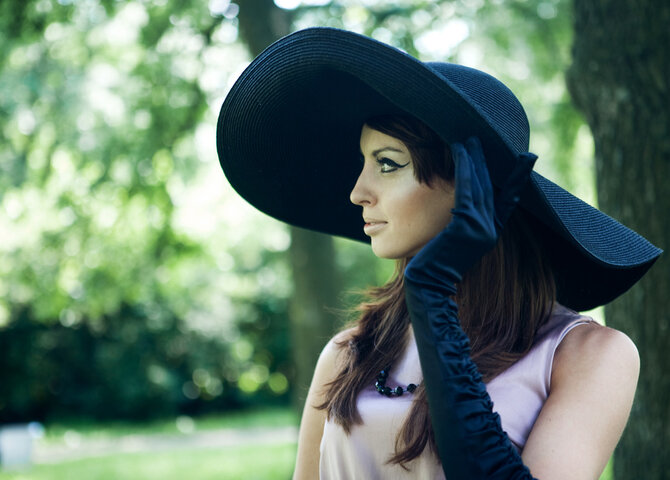
Women’s vintage hats were available in many different shapes and designs. Milliners, a design specialist who created the hats, created styles to go with evolving fashion trends.
During the 1940s and 1950s, smaller hats became particularly popular. Styles like pillbox hats, cocktail hats, and little veiled hats were worn frequently with tailored dresses and coats.
Some of the hats had feathers, ribbons, or netting on them. These details gave the hat a decorative appearance that added personality to an outfit.
Hats were frequently selected to coordinate with the color of clothes or the season.
Common Hat Styles for Men
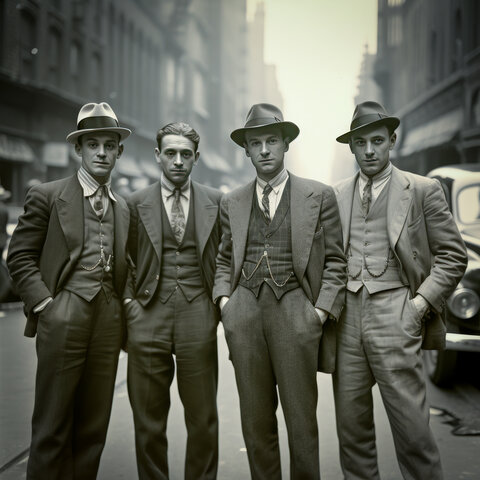
Men’s hats were generally simpler and still important when it came to everyday fashion. The fedora became one of the most recognizable vintage hats in the early part of the twentieth century.
Fedoras had a soft felt crown with a crease in the top and a medium brim. They were commonly worn with suits or overcoats.
Another popular option for casual wear was flat caps. These caps were rounded instead of pointed, with a short brim, and made comfortable and practical.
Bowler’s hats and trilbies were also worn in some places, depending on the occasion and fashion in the region.
The Role of Millinery Shops
In the early twentieth century, hat shops were common in most cities and towns. These stores specialize in the selling and designing of hats.
Milliners would custom-make hats for women with particular care paid to the materials and decorations used. A well-made hat might become an important part of a ward.
Changes in fashion with the seasons also affected the style of hats. New designs were introduced regularly, and people could change the look of their appearance with the new accessory.
These shops helped to sustain the close relationship between hats and regular fashion.
Why Hats Were Practical
Beyond style and etiquette, vintage hats also had a practical application. They sheltered the head from the sun, wind, and rain.
Before modern hairstyles and hair products became common, hats also helped keep people’s hair neat-looking outside. They could protect carefully styled hair from the weather or even dust.
During the cold months, hats made of wool or felt warm. In summer, the face was protected from the sun by lighter hats.
These are useful on a practical level, making hats useful in addition to being fashionable.
Why Daily Hat Wearing Went Down
By the 1960s, the wearing of hats every day had begun to decline. Several social changes played a part in this change.
Fashions gradually got more casual, and strict dress expectations were less prevalent. Hairstyles also became more important in the realm of personal style, and hats were no longer practical for some people.
In addition, people started to spend more time traveling by car as opposed to walking outside. This lessened the necessity for headwear intended to offer protection from the weather.
Hats, as such, gradually fell out of common use.
The Continued Appeal of Vintage Hats
Though hats are no longer worn on a daily basis by most people, vintage hats are still popular among collectors and fashion enthusiasts. Their craftsmanship, material, and unique designs are still of interest.
Vintage-inspired hats are also seen in contemporary fashion lines, particularly for formal occasions, weddings, and themed events.
These classic accessories remind us of a time when hats were seen as an important part of personal style. Vintage hats still stand for the elegance and attention to detail that characterized previous eras in fashion.