
Victorian-inspired decorating is enjoying a renewed wave of popularity among homeowners and interior design enthusiasts. Instead of stark minimalism, many people are embracing interiors filled with character, history, and atmosphere. Subdued color palettes—such as deep greens, charcoal grays, and warm browns—are replacing bright whites, while wallpaper featuring botanical and natural motifs is appearing once again in living rooms and studies. Heavy, ornate furniture made from dark woods like mahogany or walnut is also returning to fashion, bringing a sense of richness and tradition into modern homes.
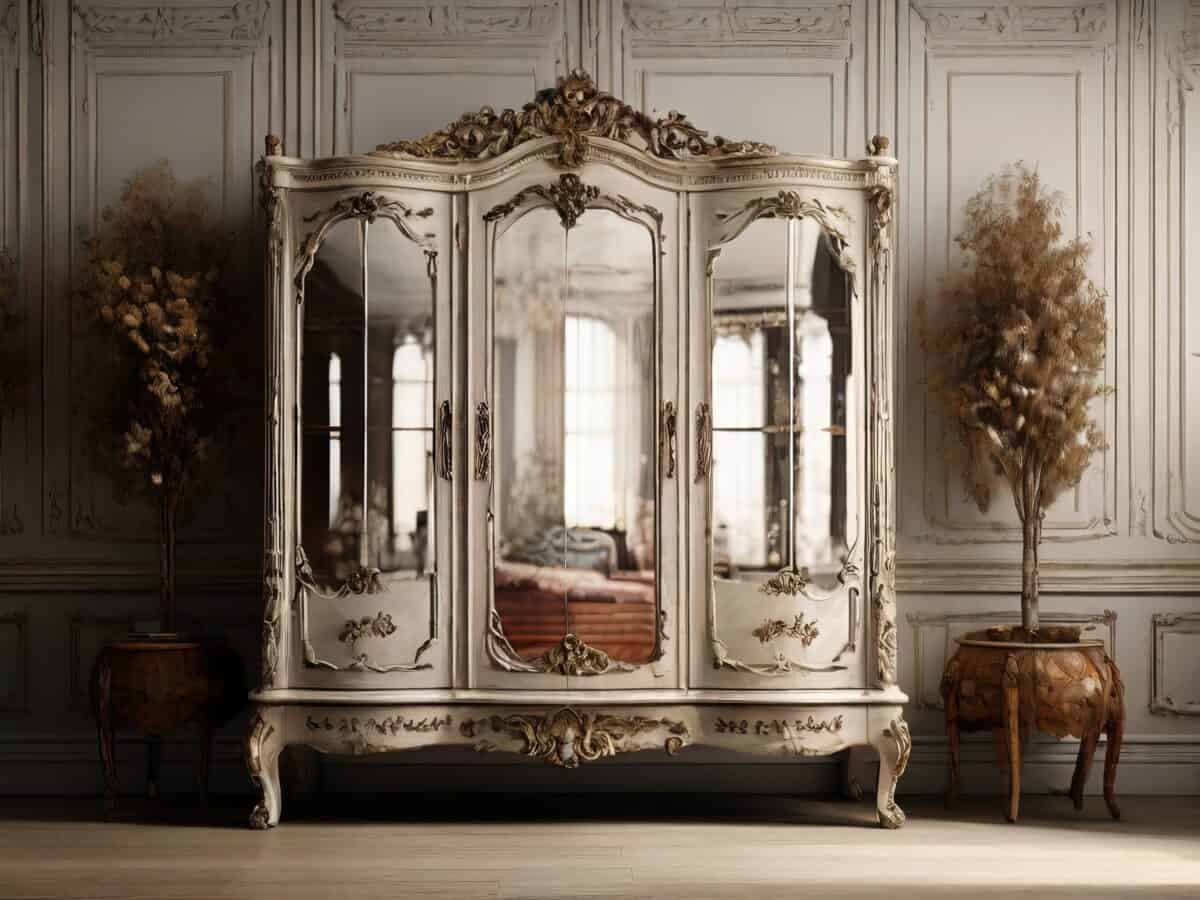
Credit: Flickinger Glassworks
One element that perfectly embodies this aesthetic revival is the cabinet of curiosities, often known by its German name: the Wunderkammer. These displays celebrate collecting, storytelling, and the beauty of unusual objects. By incorporating a modern version of a Victorian-inspired curiosity cabinet, homeowners can transform ordinary interiors into intriguing spaces filled with wonder and personality.
The Origins of the Cabinet of Curiosities
The concept of the Wunderkammer dates back centuries. According to the Royal Collection Trust, “Wunderkammer is literally translated from German as a ‘room of wonder’. In English it is usually referred to as a ‘Cabinet of Curiosities’.”
Early collectors across Europe filled these spaces with fascinating objects gathered from nature, art, and travel. Rather than organizing collections by strict categories, these rooms celebrated the unusual and the rare. Exotic shells, carved ivories, scientific instruments, gemstones, and animal specimens might all appear side by side.
In many cases, cabinets of curiosities symbolized knowledge and status. Royal and aristocratic collectors assembled objects from around the world to demonstrate their curiosity about the natural world and their access to distant lands. As one historical description notes, these “rooms of wonder showcase a collector’s knowledge of the world.”
Over time, many of these private collections became the foundations of modern museums. Yet the spirit of the Wunderkammer—celebrating discovery and curiosity—still resonates today.
The Victorian Fascination with Science, Travel, and Oddities
During the Victorian era, curiosity about the natural world reached new heights. Scientific discoveries, imperial travel, and archaeological exploration fueled an appetite for collecting. The Victorian home often contained objects gathered from across the globe: minerals, taxidermy specimens, fossils, ethnographic artifacts, and mechanical devices.
The Industrial Revolution also played a role in this fascination. New technologies and scientific instruments were being developed at a rapid pace, and collectors were eager to showcase these innovations. Displays often blended natural objects with human-made artifacts, creating a dialogue between science, art, and exploration.
Curio cabinets became a way to express intellectual curiosity. A Victorian collector might proudly display coral branches, shells, carved stone, antique tools, or rare specimens from distant colonies. Each object told a story—about travel, scientific inquiry, or cultural discovery.
Taking Care of a Curio Cabinet
A well-maintained curio cabinet ensures that both the furniture and the collection remain protected. Dust control, careful handling of fragile items, and stable humidity levels can help preserve delicate specimens and antiques. Regularly cleaning the glass panels with a soft cloth helps maintain clear visibility, while using gentle wood polish can keep the cabinet’s finish looking rich and well cared for. It is also wise to position the cabinet away from direct sunlight, as prolonged exposure can fade fabrics, papers, and botanical specimens.
Sometimes older cabinets require restoration. Over time, hinges may loosen, wood may wear, or glass panels may crack. Curio cabinet restoration can return these beautiful pieces to their original condition while preserving their historical character. Professional restoration may also involve reinforcing joints, repairing decorative moldings, or refinishing surfaces so the cabinet once again complements the surrounding interior décor. When curio cabinet glass needs replacing, skilled technicians take precise measurements and seamlessly fit the replacement glass. This careful craftsmanship ensures a perfect fit that enhances both the appearance and functionality of the cabinet while keeping the collection safely protected. Proper restoration not only improves durability but also allows the cabinet to continue showcasing treasured curios for years to come.
Types of Curios to Collect Today
Modern collectors can draw inspiration from these historical traditions while building their own personal cabinets of curiosity. The key is to choose items that spark intrigue and reflect individual interests.
Some popular curios include:
Minerals and crystals – Polished geodes, quartz clusters, and mineral specimens add natural texture and color to a display.
Fossils – Ancient ammonites, trilobites, and petrified wood connect the collection to the deep history of the Earth.
Vintage books – Antique scientific texts, botanical illustrations, or travel journals create an academic atmosphere reminiscent of Victorian libraries.
Botanical specimens – Pressed flowers, seed pods, and dried herbs bring a sense of natural history into the cabinet.
Small antiques – Items such as magnifying glasses, brass instruments, or pocket watches enhance the historic feel of the display.
The beauty of a Wunderkammer lies in its diversity. A single cabinet may contain objects from nature, science, and art, each adding its own story to the collection.
Designing a Cabinet with Narrative and Mystery
The most compelling curiosity cabinets do more than simply display objects—they tell a story. Each piece becomes part of a narrative about exploration, memory, or knowledge.
Scholars note that “the objects in a Wunderkammer are supposed to evoke curiosity and wonder… and act as witnesses to history.”
Rather than arranging items in rigid rows, collectors often juxtapose unexpected pieces together. A fossil might sit beside a brass compass, while a botanical specimen is displayed near an antique book. These combinations invite viewers to imagine connections between the objects and to discover their own interpretations.
Creating mystery is also part of the appeal. Labels, handwritten notes, or small drawers can enhance the sense that each item has a hidden story waiting to be discovered.
Display Techniques: Layering, Labels, and Specimen Arrangements
Successful curio cabinets often rely on thoughtful display techniques.
Layering is one of the most effective methods. Objects placed at different depths create visual interest and allow larger pieces to anchor the display while smaller items fill the surrounding space.
Specimen-style arrangements—such as framed insects, botanical prints, or labeled fossils—can add a museum-like quality to the cabinet.
Labels and handwritten notes are another classic detail. Small identification cards or vintage-style tags make the collection feel scholarly while adding historical charm.
Lighting also plays an important role. Soft interior lighting inside a glass cabinet highlights textures and details while enhancing the dramatic atmosphere.
Conclusion
The cabinet of curiosities represents more than just a decorative display—it reflects a centuries-old tradition of curiosity and discovery. By combining natural specimens, antique objects, and meaningful artifacts, modern homeowners can recreate the spirit of the Victorian Wunderkammer within their own spaces.
For inspiration, collectors often look to museums that celebrate this tradition. Exhibitions such as the cabinet of curiosities display at the Maryland Center for History and Culture show how fascinating objects can be brought together to tell compelling stories.
Whether filled with fossils, botanical specimens, or antique treasures, a thoughtfully curated curiosity cabinet transforms a room into a place of wonder—just as it did in the Victorian era.