
DIY natural lash extensions let anyone create a salon look at home for far less time and cost. The appeal lies in how long the lashes stay full and natural before needing replacement. Most DIY natural lashes last about one to two weeks with proper application and care, though quality materials and habits can stretch that wear time.
Each lash extension attaches to a single natural lash, which naturally sheds over time. Therefore, how clean, gentle, and consistent a person stays with care directly affects how long the lashes remain intact. A few smart habits can help extend wear, such as careful cleaning, using gentle adhesives, and avoiding heavy oil-based products.
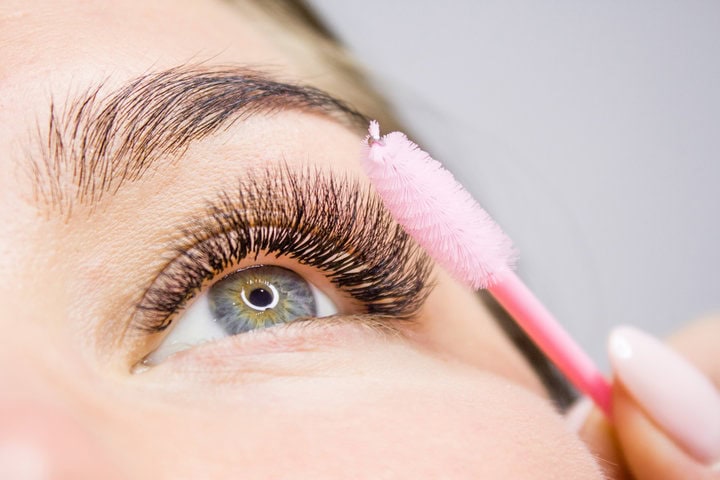
This guide explains how long DIY natural lashes really last and offers simple methods to protect and maintain them for as long as possible. The right techniques can help lashes stay soft, balanced, and fresh without frequent touch-ups.
How Long Do DIY Natural Lashes Last?
DIY lash extensions stay in place for several days, depending on preparation, care, adhesive strength, and natural lash habits. The type of lash used, how often the eyes are touched, and daily routines all affect how long they maintain a seamless look.
Typical Lifespan of DIY Lash Extensions
Most DIY natural lash extensions last five to ten days before they begin to loosen or shed. This range depends on the adhesive formula, lash material, and how carefully the lashes are applied and maintained. Some users notice a slight lift after day five, especially if exposed to steam or oil-based skincare.
Brands that design lightweight natural lashes for sensitive eyes often use ultra-soft synthetic fibers to reduce tension on the lash line. These lighter lashes stay more comfortable and flexible, which improves wear time. The Eternal Bond adhesive used in high-quality kits helps secure segments firmly while remaining gentle for repeated use. To preserve the look longer, keeping lashes dry for the first 24 hours and cleaning them with an oil-free cleanser helps maintain adhesion. After that, gentle daily cleansing and minimal contact can keep them intact for up to a week.
Key Factors Influencing Lash Longevity
Lash longevity depends on application technique, adhesive quality, and aftercare. A clean surface is the foundation of a strong bond. Any leftover makeup or oil can weaken glue’s hold, causing clusters to detach sooner. Temperature and humidity also matter since extreme heat or moisture can soften the adhesive.
Lifestyle plays a big role in lash durability. People who rub their eyes, sleep facedown, or use oil-based products often experience faster loss. Using silk pillowcases and avoiding waterproof makeup nearby minimizes friction and helps maintain alignment. Lash weight also affects wear; heavier clusters tend to pull off faster, while lighter designs last longer. Choosing lashes that mimic the texture of real hair keeps them comfortable and natural.
Natural Lash Growth and Shedding
Each natural lash follows its own growth cycle, which directly affects the lifespan of any extension. Human eyelashes grow, rest, and shed every six to ten weeks. As single natural lashes fall out, the attached extension goes with them, even if the adhesive bond remains intact. This natural process explains why cluster or segment lashes never last as long as salon filler refills.
Gentle removal at the end of a wear cycle protects the lash line from thinning or breakage. Reapplying after a short rest period lets the natural lashes recover and stay full. Using a soft lash remover instead of pulling extensions off helps preserve healthy regrowth. Balanced care keeps both the natural and DIY lashes in better condition between applications.
How to Extend the Wear of DIY Natural Lashes
Good lash retention depends on how the natural lashes are cleaned, how the adhesive is applied, and how daily habits support lash health. Proper tools, gentle care, and the right techniques help lashes stay secure and look natural for several days without damaging the real lashes.
Prepping Natural Lashes for Maximum Retention
A clean surface sets the base for strong adhesion. Natural lashes should always be free of oil, dust, and makeup before applying DIY lash extensions. A mild, oil-free cleanser or lash cleanser helps remove residue without drying the lashes. Using a lint-free pad or soft applicator makes cleaning easier and prevents pulling.
After cleansing, lashes should dry completely. Any leftover moisture can weaken the lash adhesive bond. A quick wipe with a dry brush or gentle fan helps speed drying time.
It helps to avoid oil-based products like makeup removers or eye creams before application. Oils interfere with adhesive grip, causing lash clusters to slip sooner. Prepped lashes that are clean, dry, and free of oil provide the best foundation for strong, lasting wear.
Optimal DIY Lash Application Techniques
Proper lash application affects both comfort and durability. Each lash segment or cluster lash should attach close to the natural lash line but never touch the eyelid. Using a lash applicator tool allows for steadier control and accurate placement.
Shorter clusters toward the inner corner and longer ones toward the outer corner create a natural eye shape. Small gaps between clusters keep the lash line light and flexible, reducing strain on the natural lashes.
Heavier or uneven placement can cause the extensions to lift early. Working slowly, applying each segment precisely, and using consistent spacing leads to smoother results that look fuller and last longer.
Using the Best Adhesives and Sealants
A strong lash glue makes a major difference in retention. A thin, even layer of lash bond on both the natural lashes and the lash segments helps create a secure connection. Too much adhesive can clump, while too little causes a weak hold.
Allowing the glue to get slightly tacky before placing the clusters improves grip. This usually takes about 20 to 30 seconds at room temperature.
After all clusters are attached, a lash sealant can be applied to the lash line. This step seals the bond, reduces stickiness, and protects against moisture. A sealant also adds flexibility so lashes move naturally without lifting at the corners.
Must-Follow Aftercare and Maintenance Tips
The first 24 hours after application matter most. Avoid water and steam so the lash adhesive can set completely. After that period, occasional contact with water is fine, but long exposure weakens the bond.
Do not rub or pull the lashes. Friction breaks the seal and may pull out natural lashes. Using clean tweezers to adjust any stray segments works better than touching them with fingers.
Daily care should include brushing with a soft spoolie to separate clusters and prevent tangling. Proper aftercare routine habits like these maintain lash retention and keep both natural and DIY lashes looking fresh.
Gentle Cleansing and Product Choices
Keeping the lash area clean prevents buildup that shortens wear. A gentle lash cleanser or oil-free face wash helps maintain lash health without loosening the adhesive. Cleansing should focus on the lash line, not the ends of the clusters.
Apply the cleanser using light brushing motions and rinse with lukewarm water. Blotting dry with a soft towel or using a fan avoids pressure on the lashes.
Avoiding oil-based products is key throughout the wear period. Oils can break down the adhesive bond, cause clumping, and make lash clusters fall sooner. Choosing light, water-based formulas around the eyes helps lashes stay in place longer.
Sleeping Habits and Daily Routines
Small habits during sleep and the day affect lash longevity. Sleeping face down or on the side increases friction and can bend cluster lashes. It helps to rest on the back with a silk or satin pillowcase that reduces drag.
During the day, avoid touching or adjusting the lash line. Persistent picking or rubbing shortens wear. Sunglasses should fit comfortably without pressing on the lash tips.
Moisture from exercise or sauna use can soften adhesive bonds. Patting the eye area dry instead of wiping helps maintain lash structure. Careful daily habits allow DIY eyelash extensions to stay intact for several days without major fallout.
Safe Lash Removal and Reuse
Removing DIY lash extensions safely protects both the extensions and the natural lashes. A lash-safe remover or oil-free cleansing balm helps dissolve the adhesive without harsh rubbing. Letting the remover sit for a minute allows the bond to soften before sliding the lashes off carefully with tweezers.
Clean DIY lash clusters can often be reused. To prepare them for reuse, gently remove any dried glue with tweezers and rinse them in a mild cleanser or saline. Place them on a clean surface to dry completely before storage.
Regular use of a lash serum afterward supports lash recovery and growth. Safe removal and reuse habits maintain healthy lashes and reduce the need for frequent replacements while keeping the natural lash line strong.
Conclusion
DIY natural lashes usually last between 4 and 10 days, depending on the quality of adhesive, lash material, and care routine. Some may last a bit longer with proper cleaning and gentle handling.
To extend wear, they should keep lashes clean, avoid oils near the eyes, and reapply sealant as needed. Proper placement close to the lash line also helps improve grip and longevity.
Small habits make a difference. Sleeping on your back, avoiding moisture during the first day, and using a lash-friendly cleanser can maintain both lash appearance and comfort.
In short, consistent care and careful application help DIY lashes look fresh longer while keeping natural lashes healthy.