
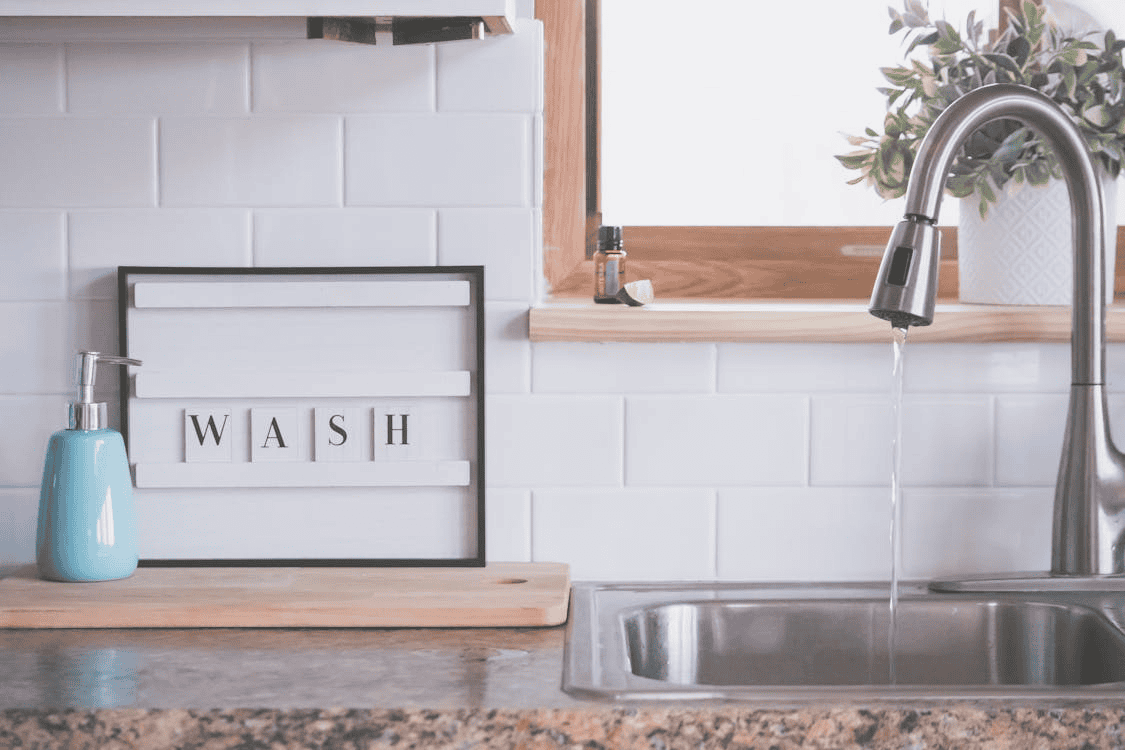
You’re considering redecorating, so now it’s time to shop. You’re standing in a tile showroom, forty-five minutes in, surrounded by sample boards in every conceivable finish, and your budget is giving you the side-eye. Sound familiar?
Picking a kitchen backsplash sounds like a weekend errand until you’re actually in the thick of it, realizing that “the right choice” has to do about six different jobs simultaneously. It needs to look stunning on installation day, survive Tuesday night’s pasta sauce explosion, and still make financial sense three years from now.
Here’s something that puts the whole debate in perspective, a Houzz Kitchen Trends Study found that 76% of homeowners land on tile, while 24% go big with slab backsplashes.That near-three-quarters majority isn’t accidental. It reflects exactly the kind of real-world math most renovators are working through when they finally sit down and make their decision.
This guide gives you the full picture, style, honest maintenance talk, a real backsplash installation cost breakdown, and a head-to-head against every competitor, so when you commit, you’re genuinely confident about it.
Few materials earn their reputation the way a ceramic tile backsplash for kitchen spaces does. The combination of practical durability and sheer design flexibility at an accessible price point is something other materials honestly struggle to match.
TileBar, for example, carries over 1,800 backsplash tile options, ceramics included, and runs a five-samples-for-five-dollars program, so you can bring finishes home and judge them in your actual kitchen light before spending a dime more.
Of course, specs on paper are one thing. What matters is how ceramic performs when grease is flying at 6:30 on a Thursday evening and you just need the wall to cooperate. Let’s get into it.
Ceramic Tile Kitchen Backsplash Benefits That Hold Up in Real Life
A ceramic tile kitchen backsplash pulls off a rare combination, durability, ease of cleaning, and creative range that genuinely survives daily kitchen chaos, not just a pristine showroom display. Here’s what that translates to when the kitchen is actually running.
Mess Protection That Doesn’t Require Babying
Glazed ceramic is non-absorbent, grease and moisture sit on the surface rather than soaking in. Dish soap and a microfiber cloth handle the average Tuesday splatter in about twenty seconds flat.
Heavier range-zone grease? A brief pass with a gentle degreaser does the job. One thing to avoid: abrasive scrubbing pads on glossy finishes. They create micro-scratches over time that trap grime and make the surface progressively harder to clean.
Chips Happen, But They’re Not the End of the World
A wipe-clean surface is half the value equation. The other half is what happens when something solid makes contact with the wall at the wrong angle. Ceramic can chip under heavy direct impact, that’s worth knowing upfront, not discovering afterward.
But here’s the genuine advantage: unlike a continuous slab installation, a single damaged ceramic tile can be swapped out without disturbing everything around it. Buy ten to fifteen percent extra tile from your original dye lot before the project closes. Dye lots shift between production runs, and even the same product name can read differently if you’re reordering a year later.
The Quiet Benefits Nobody Asks About (But Should)
Beyond chips and cleaning, ceramic handles a few other jobs quietly and without complaint. It’s heat-resistant near cooktops in ways that peel-and-stick and painted surfaces simply aren’t.
Non-porous glazed ceramic doesn’t harbor bacteria the way natural stone or heavily textured materials with complex grout profiles can. And lighter-finish ceramics, soft whites, pale creams, genuinely bounce under-cabinet light around smaller galley kitchens, making them feel more open without moving a single wall.
Alright, you know it performs. Now for the more exciting question: what can it actually look like?
Ceramic Backsplash Tile Designs That Look Custom Without the Custom Price Tag
The ceramic backsplash tile designs available today span zellige-inspired handmade textures, sleek large-format panels, and everything in between, giving you a realistic shot at a custom result on a decidedly non-custom budget.
According to the 2025 Houzz Kitchen Trends Study, 68% of renovating homeowners choose rectangular tiles for their backsplash.That’s a lot of variety packed into one tile shape.
Layout Is Where the Personality Lives
Running bond subway is the reliable workhorse, familiar to every installer, adaptable to virtually every kitchen style. Vertical stacking creates taller-feeling walls in kitchens with lower ceilings. Herringbone adds visual movement without requiring exotic tile.
Large-format ceramic dramatically reduces grout lines, producing a cleaner, more contemporary surface that also wipes down faster. Full-wall-to-ceiling coverage behind a range hood? That’s the move that transforms a backsplash into an actual architectural statement.
Edge Finishing Is What Separates Polished From Unfinished
A well-planned layout is the foundation. The finishing details, at edges, corners, window returns, are what actually signal quality. Pencil liner trim, bullnose tile, and Schluter metal profiles all create clean transitions where tile ends and cabinetry or drywall begins.
Outlet placement matters more than most homeowners anticipate. Keeping cuts consistent around outlets, or routing to under-cabinet outlet strips instead, leaves the field tile uninterrupted and looks intentional rather than improvised.
Color and Finish: Making Decisions That Age Well
With layout and edges figured out, color and finish are where the backsplash’s character gets locked in. Strong kitchen backsplash ideas planning at this stage is what keeps a kitchen feeling current now and genuinely timeless five years from now.
Glossy finishes show water spots more readily but clean fully with a simple wipe. Matte finishes hide smudges better but need slightly more attention when grease accumulates. Tone-on-tone grout reads seamless and luxurious; contrast grout puts the pattern on display. Neither choice is wrong, it depends entirely on how much texture and visual rhythm you want the wall to carry.
You’ve got the style picture. Now comes the practical comparison every smart buyer should work through.
Best Kitchen Backsplash Tile Comparison: Ceramic Against Every Real Contender
Picking the best kitchen backsplash tile requires honest clarity about where ceramic leads, where it doesn’t, and when something else genuinely serves you better.
| Material | Cost (Installed) | Maintenance | Repairability | Design Range |
|---|---|---|---|---|
| Ceramic | Low–Mid | Easy | Single tile | Very wide |
| Porcelain | Mid | Easy | Moderate | Wide |
| Glass | Mid–High | Fingerprints visible | Harder | Moderate |
| Natural Stone | Mid–High | Sealing required | Difficult | Natural only |
| Slab (Quartz/Granite) | High | Very easy | Very hard | Limited |
Ceramic vs. Porcelain
Ceramic wins on budget, cutting ease, and design variety, for most kitchen backsplash applications, it’s the smarter wall tile. Porcelain earns its place in ultra-dense, high-impact scenarios, or anywhere the slightest porosity difference matters. On a typical backsplash? Most homes genuinely don’t need porcelain’s density.
Ceramic vs. Glass
These two are fundamentally different beasts. Glass delivers sparkle and light reflection that ceramic can’t replicate.
The real-world trade-off is relentless cleaning: fingerprints, water spots, and glare are constant companions. Zellige-style ceramics capture a handmade, light-catching quality with dramatically less smudge visibility.
Ceramic vs. Natural Stone
Stone has soul, no argument there. But that natural character comes paired with sealing requirements, etching risk from acidic splatter, and stain vulnerability that glazed ceramic simply doesn’t share. Modern ceramic printing technology mimics marble, slate, and travertine convincingly without any of the ongoing maintenance burden.
Ceramic vs. Slab
Slab’s strongest argument is zero grout lines. Clean, continuous, undeniably modern. But the price premium is significant, damage is extremely difficult to repair, and design personality per square foot is limited compared to ceramic.
Ceramic keeps both your design options and your budget flexible, without looking like a budget decision.
Now that the comparison is clear, let’s talk about using ceramic to match a specific aesthetic goal.
Kitchen Backsplash Ideas Built Around Your Actual Style Direction
The right ceramic tile in the right application can anchor an entire kitchen’s personality. Here’s how to align your tile choice with what you’re actually trying to create.
Clean Modern
Large-format ceramic with minimal grout joints and a matched grout color reads almost like a continuous slab. Pair with a vertical stack layout, frameless cabinetry, and integrated under-cabinet lighting. The result feels architectural, intentional, not just decorated.
Warm Transitional
Handmade-look ceramic in soft whites, warm creams, or slightly varied glazes brings texture without visual noise. The transitional direction is that appealing middle ground between refined and relaxed that works in nearly any home. Under-cabinet LED strips set to warm white temperatures make the surface variation glow beautifully in the evenings.
Bold Focal-Point Statement
If you want the kitchen to be genuinely memorable, a bold moment behind the range can do it without dating the space in three years.
Delft-inspired panels, rich cola-brown ceramics, or earthy terracotta accents paired with a simpler field tile create a statement that reads considered, not chaotic. The key move: share an undertone between your statement tile and your field tile so the transition feels planned rather than forced.
Great style decisions need budget clarity behind them. Otherwise you’re designing in a vacuum.
Backsplash Installation Cost: Actual Numbers and Where the Variables Live
Backsplash installation cost is one of the most under-researched figures homeowners encounter, and a construction labor shortage that requires 501,000 new workers in 2024 alone to meet industry demand makes it more variable than most expect.Real numbers deserve real context.
What to Expect in Practical Terms
Simple ceramic subway tile installation typically falls in the lower-to-mid range of installed tile projects. Mosaic tile and complex patterns push labor higher because of additional cut time and precision requirements. Line items that routinely catch homeowners off guard include drywall repair, backer board, waterproofing near the sink zone, leveling compound, and trim profiles, all legitimate costs that a thorough quote will list separately rather than bury.
The Seven Variables Every Contractor Is Pricing Around
Tile size (mosaics take considerably longer per square foot), layout complexity (herringbone and chevron multiply cut time meaningfully), number of obstacles including windows and pot fillers, grout type (epoxy costs more and demands more installer skill), edge finishing method, overall installation height, and surface prep requirements. Understanding these before collecting quotes lets you compare bids accurately instead of guessing why two quotes differ by 40%.
Saving Intelligently Without Signaling Budget Constraints
Run a statement band or feature panel behind the range. Use a simpler, lower-cost ceramic as the field tile everywhere else. Choose standard rectangular formats to minimize cuts and cut-time labor charges. Get your outlet placement, shelf brackets, and pot filler rough-in finalized before tile work begins, repositioning those afterward creates expensive rework that nobody budgeted for.
Pre-Purchase Checklist That Prevents Expensive Mistakes
Even with a clear style direction and a solid budget, buying the wrong tile at a good price is still a costly outcome. These steps protect the investment before anything hits your cart.
Tile Spec Verification
Confirm the wall rating, not all ceramic is rated for vertical wall applications. Check the recommended grout joint size, the glaze variation V-rating (V3 and V4 tiles show more visible surface variation tile-to-tile), and whether bullnose or coordinating trim pieces are available in that product line.
Always order samples and evaluate them in your kitchen’s actual light conditions: daylight, overhead lighting, and warm under-cabinet LEDs. What looks perfect in a showroom can be read completely differently at home.
Grout and Caulk, Getting the Right Material in the Right Place
Grout belongs between tiles on flat, continuous surfaces. Flexible caulk, not grout, belongs at every plane change: countertop-to-tile joint, inside corners, and wherever tile meets cabinet faces.
Skipping this distinction causes cracking within months of installation. Allow full grout cure time before sealing, and clean grout haze within the manufacturer’s recommended window to avoid it bonding permanently to the tile face.
A Maintenance Rhythm That Keeps It Looking New Long-Term
Weekly wipe-downs with dish soap and a microfiber cloth handle the vast majority of daily kitchen mess. Monthly, run a degreaser pass along the range zone.
Every few months, inspect corners, the area directly behind the faucet, and caulk joints at the countertop for early-stage cracking. Small failures caught early cost nothing to fix. Left unchecked, they become water intrusion problems that can compromise the substrate behind the tile entirely.
Frequently Asked Questions
Is a ceramic tile backsplash for the kitchen better than peel-and-stick for long-term value?
Significantly, yes. Glazed ceramic resists heat, moisture, and grease across decades. Peel-and-stick panels degrade at seams, can’t handle sustained heat near cooktops, and rarely hold up beyond a few years in a kitchen that sees regular cooking.
What is a disadvantage of ceramic tile for a kitchen?
Ceramic is less dense than porcelain, which makes it somewhat more prone to chipping under heavy direct impact. Unglazed ceramic is more porous than porcelain, but standard glazed ceramic wall tile used in backsplash applications handles kitchen moisture without issue.
What backsplash tile never goes out of style?
White and neutral tones consistently hold across decades and design shifts. White, beige, greige, and soft gray ceramics work across modern, farmhouse, transitional, and traditional styles, making them the most reliably timeless choices regardless of what trends are doing in any given year.
Choosing a Ceramic Tile Kitchen Backsplash
A well-chosen ceramic backsplash does considerably more than protect a section of wall. It sets the visual tone for the entire kitchen. It handles daily mess without drama. It survives years of real cooking and repairs cleanly when needed. And it offers a design range that no other backsplash material realistically matches at the same accessible price point.
Whether your goal is clean and modern, warm and textured, or genuinely bold, ceramic gets you there. Make the right tile selection, execute the installation properly, and this is one upgrade that quietly earns its place every single day you cook in that kitchen.