

Image from Unsplash
In a world of fleeting trends and digital distractions, the things we choose to wear, and why, carry deeper meaning than ever before. A classic wristwatch, for instance, is more than a practical tool or fashion accessory. Timepieces like Seiko watches represent something greater: a quiet statement of identity, heritage, and the enduring values we carry through generations.
Wearing a watch is often a deliberate act, one tied to intention, presence, and self-expression. It tells the world who we are, what we value, and sometimes, where we come from.
Historical Significance of Watches
Watches have long been symbols of personal milestones, cultural pride, and social status. From the earliest pocket watches of the 16th century to the modern wristwatches of today, timepieces have been woven into the fabric of human history. They’ve accompanied revolutionaries, diplomats, and explorers on their journeys, and have been present at key moments in shaping the world we live in.
In the 19th century, pocket watches became essential tools for professionals in fields like banking and military service, signifying precision and responsibility. As the wristwatch gained prominence in the 20th century, brands like Tissot became pioneers of the industry, known for their dedication to quality and craftsmanship. Whether marking personal achievements or commemorating historical events, watches have often been symbols of progress and achievement.
For those looking for a watch that represents both tradition and innovation, Tissot watches offer a rich history of fine Swiss watchmaking, blending modern elegance with time-honored design principles. Wearing a Tissot is more than just telling the time: it’s wearing a piece of history that speaks to centuries of watchmaking excellence.
A Personal Statement That Transcends Trends
In an age dominated by digital devices, where most people check the time on a phone, choosing to wear a traditional watch sets you apart. It becomes a subtle yet powerful statement: I am moving with intention. I am honoring my time.
Watches have long held symbolic significance across cultures. In the African American community, they’ve represented more than style, they’ve stood for success, resilience, and personal achievement. A gifted timepiece at graduation, a watch purchased after landing a first job, or one inherited from a parent, these are not just possessions. They are milestones worn on the wrist.
For many, a watch becomes a rite of passage. And while fashion trends come and go, a well-made watch often becomes a lifelong companion, constant, reliable, and filled with memories.
Craftsmanship as a Reflection of Values
The inner workings of a quality watch, its gears, balance, and movement, represent more than mechanical engineering. They symbolize precision, patience, and dedication. These are values mirrored in the journey of those who rise above adversity, who honor family and community, and who understand the value of every passing second.
There’s something poetic in the idea that behind the smooth face of every elegant timepiece lies an intricate system of moving parts, all working in harmony. Just like the many roles we balance in life, provider, artist, mentor, entrepreneur, friend, each gear must function with intention.
As Smithsonian Magazine has noted, timepieces have historically marked the most meaningful transitions in people’s lives. From liberation to leadership, from hard-won opportunities to personal triumphs, watches have become part of the language of progress.
More Than a Fashion Accessory
Style matters. It has always mattered. It’s how we express creativity, culture, and confidence without saying a word. But unlike clothing that changes with the season, a watch is often a stable constant, worn every day, through both joy and hardship.
What’s powerful about watches is that they bridge practicality and elegance. Whether it’s the minimalism of a slim leather-strap piece or the boldness of a gold-toned chronograph, every watch tells two stories: the time of day and the story of the wearer.
Seiko watches, for example, are often celebrated not only for their design and reliability but also for their accessibility. With their wide range of options, they give people the chance to embrace timeless elegance without excess. It’s not just about wealth, it’s about taste, substance, and making intentional choices.
This speaks to a larger narrative: one where style is informed by legacy, and confidence comes from wearing something with meaning.
Passing It Down: Time as Legacy
Heirlooms matter. Especially in a world that often tells us to throw things away and start over. A watch passed from parent to child becomes more than a timekeeper, it becomes a family story in motion.
These pieces often carry emotional weight: the nick on the bezel from a memorable day, the engraving on the back that marks a special date, the sound of the ticking that echoes through memory.
When we hand down a watch, we’re not just giving an object. We’re passing on values: perseverance, self-worth, and the importance of honoring every second. And for younger generations, wearing that piece can feel like wearing the strength of their ancestors. A reminder that they are part of a larger story, one that continues through them.
Time and Identity: Choosing Presence Every Day
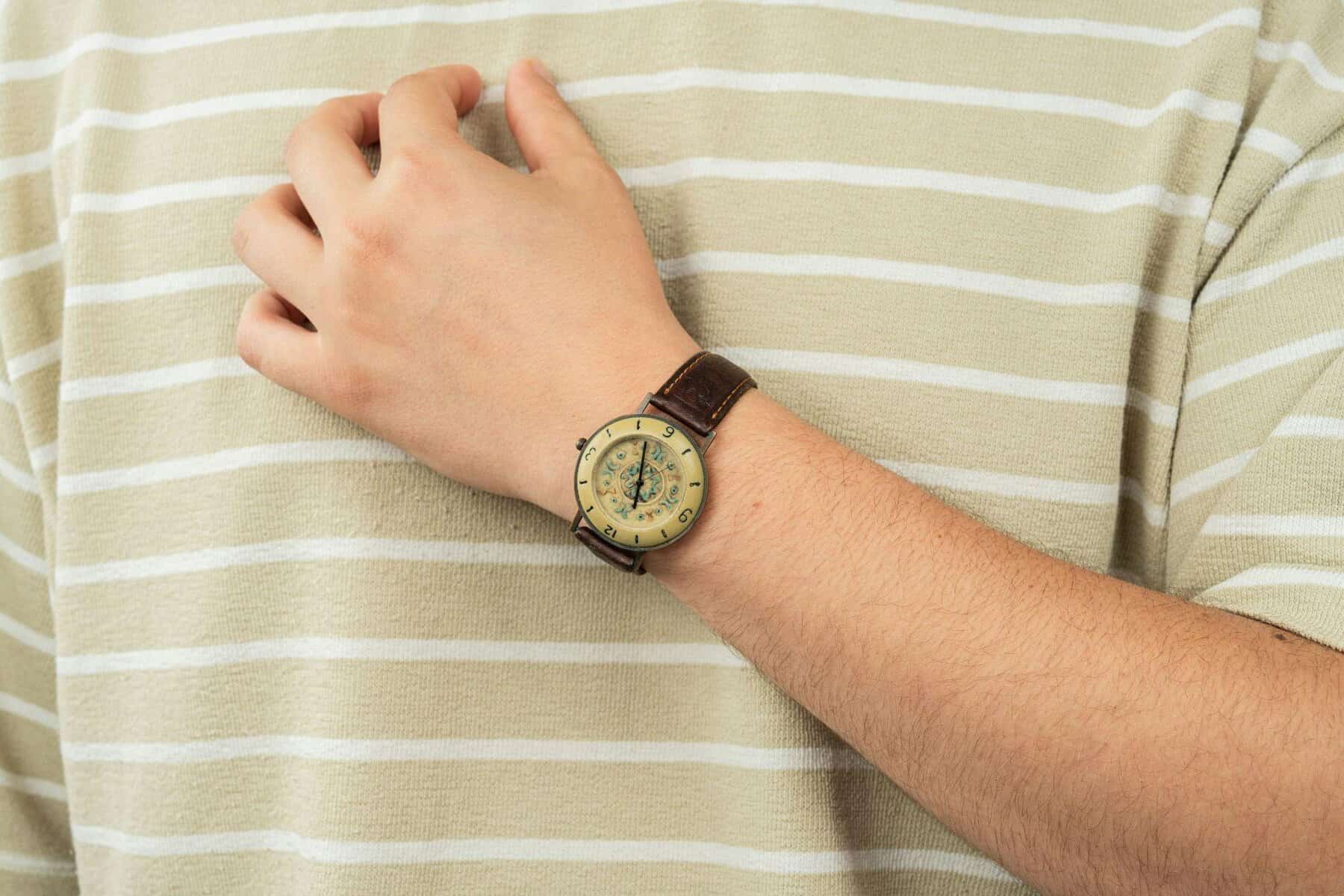
Image from Unsplash
Wearing a watch is also about staying connected to the present. Phones buzz. Apps update. Notifications distract. But a watch? It stays quiet. It invites you to glance down, check the time, and stay focused. It offers a moment of stillness in a chaotic world.
Choosing to wear a traditional watch today isn’t just about fashion, it’s a subtle act of reclaiming your time, literally and spiritually. It’s about setting your own rhythm rather than being dictated by algorithms and alerts. And that decision, to move with purpose, to mark your own hours, is a form of empowerment.
Timelessness Worn with Pride
In the end, a watch is not just about what it shows, it’s about what it says. It says you value the present. It says you honor the past. And it says you’re building something that lasts.
In communities where storytelling, symbolism, and style intertwine, a watch becomes far more than a tool. It becomes a reflection of who you are and what you stand for. Because while time may pass, legacy never goes out of style.