
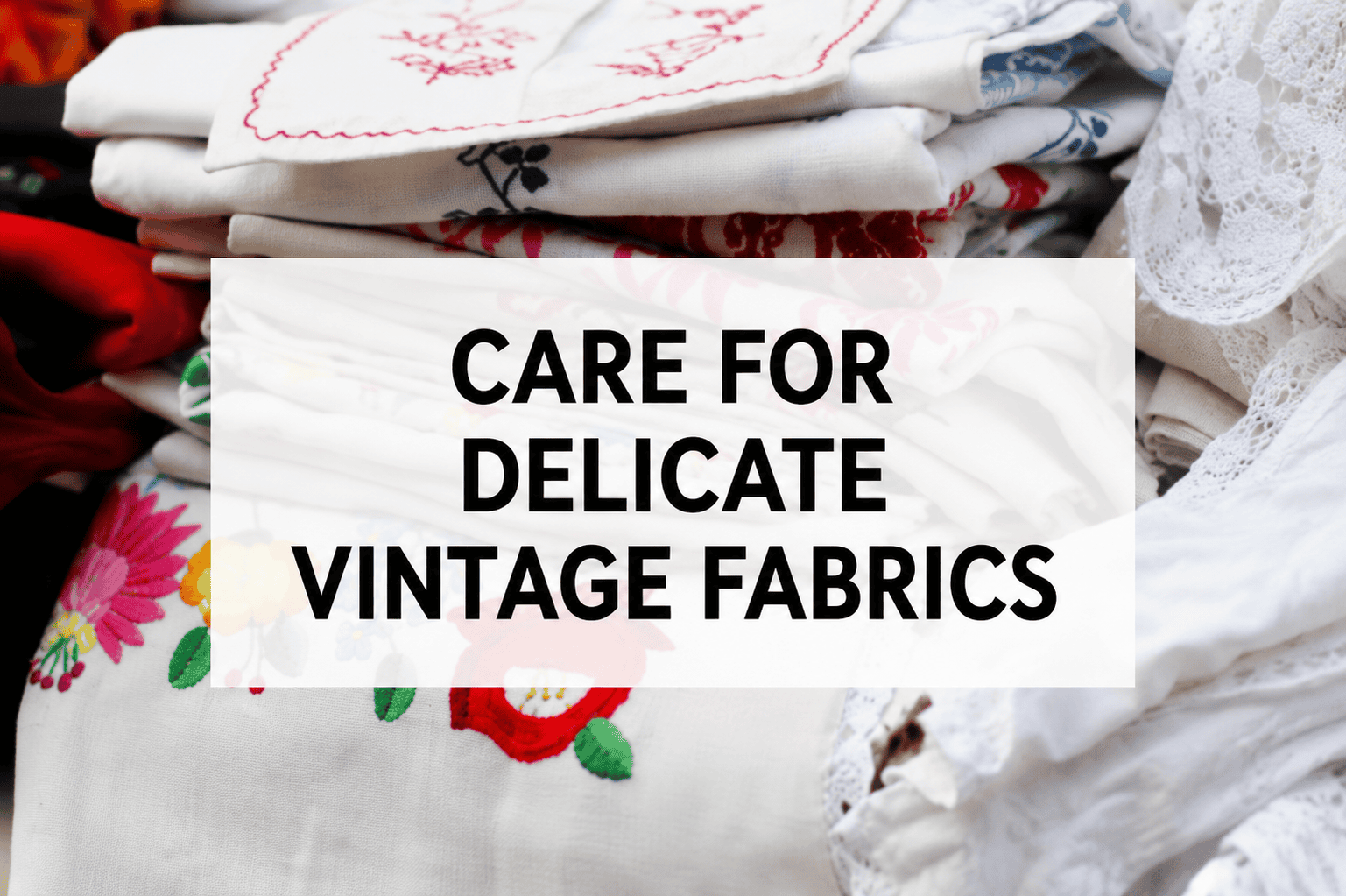
You may not always be able to explain it, but there is an appeal to vintage fabrics that you don’t always get with what’s in the stores now. A vintage piece will have a softer texture, better material, and a level of workmanship that is in short supply these days.
Of course, with that comes the need to know how to look after it. You can’t treat a 50-year-old shirt like one of those fast-fashion items you can put in the wash without a second thought; they are too delicate for that.
Many of these older clothes were never meant to go through a modern washing machine or be subjected to high heat and strong detergents. Things like silk, lace, wool, and even some of the cottons from back then require gentler care. But once you understand the basics, it’s not so difficult.
How to Care for Dedicated Vintage Fabrics
There’s a reason people value vintage clothing so highly: the build quality and materials are just superior to most of what is mass-produced today.
Yet, time has a way of making even the sturdiest of things a bit more fragile. If you aren’t careful, a well-made garment can still become damaged over time.
Fabrics to Watch Out For
Some of the ones you have to be especially careful with are:
- Silk
- Lace
- Velvet
- Wool
- Satin
- Chiffon
- Older cottons
Handle them poorly, and you’ll see them fade, shrink, or even tear.
Start by Reading the Fabric Carefully
Before you do anything, take a good look at what you’re working with. Since you won’t always find a legible tag on an old piece, you have to go by the feel of it, the weight, and how it was put together.
If the fabric seems thin, dry, or has a lot of texture, or if it’s been beaded or embroidered, you should handle it gently.
And if you’re not sure, err on the side of caution and handle it as if it’s more delicate than it is.
Hand Washing Is Usually Safer
For the most part, hand washing is the safest option.
Cold Water and Mild Soap
Put some water in a basin and use a detergent made for delicates. Avoid anything with bleach in it.
No Scrubbing or Wringing
Just let the garment move in the water and give it a good rinse. Never wring it out; you’ll only weaken the fibers and cause permanent damage.
Be Careful With Washing Machines
Even the “delicate” setting can be a bit much for some pieces. But a pair of sturdy denim or a heavy skirt might be fine in the machine, provided you put them in a mesh bag.
Avoid Heat Completely
Hot water and a hot dryer are the quickest ways to ruin a vintage item. Let it air dry.
Dry Cleaning Isn’t Always Perfect Either
It’s a common belief that you should just take it to the dry cleaner, but that isn’t always true.
Some of the solvents they use can be hard on older fibers and trims. If you have something of value, find a professional who has experience with vintage clothing.
Proper Storage Matters Just as Much
How you put it away is as important as how you clean it. Keep it out of direct sunlight; it can quickly fade the color. I like to use a padded hanger for my better pieces and fold my knits.
Better Ways to Store Vintage Clothing
- Use padded hangers
- Fold knitwear
- Store pieces in breathable garment bags
- Keep clothing in a cool, dry place
- Avoid plastic storage
Too much humidity can cause mold or yellowing surprisingly fast.
Handle Stains Carefully
If you get a stain, don’t use anything too harsh. A strong remover could do more damage than the stain itself. Try a spot test in an inconspicuous place first. For valuable pieces, leave it to the experts.
Repairs Should Be Done Gently
As for mending, a loose thread or a missing button is easy enough to repair before it becomes a bigger issue. But don’t make major alterations. The original cut is part of what makes it special.
Wearing Vintage Clothing Carefully
You have to be somewhat careful when you wear them, too. Rotate them so you aren’t wearing the same thing every day, and pay attention to where your purse or jewelry is rubbing against the fabric.
Why Vintage Fabrics Are Worth Preserving
People collect vintage because it has a character you don’t find in new clothes. The stitching and fabric reflect the history behind the piece.
When you put in the time to care for it, you’re not just protecting a shirt or a dress. You are preserving a piece of history.