
Custom molds open up a world of creative possibilities, whether you work with resin, wax, concrete, or chocolate. The ability to embed objects and build up layers inside a single cast piece transforms a basic pour into something truly eye-catching. But the process requires more than just enthusiasm. You need the right setup, good timing, and a clear understanding of how materials behave at each stage. This guide walks you through everything, from selecting the right mold to finishing your final piece, so you can get clean, professional results every time.
What You Need Before You Start: Tools, Materials, and Mold Selection
Before you pour a single drop of material, it pays to have everything laid out and ready. Scrambling for tools mid-project is one of the fastest ways to ruin a pour, especially with fast-curing resins that give you very little room for error.
Choosing the Right Mold Material for Your Project
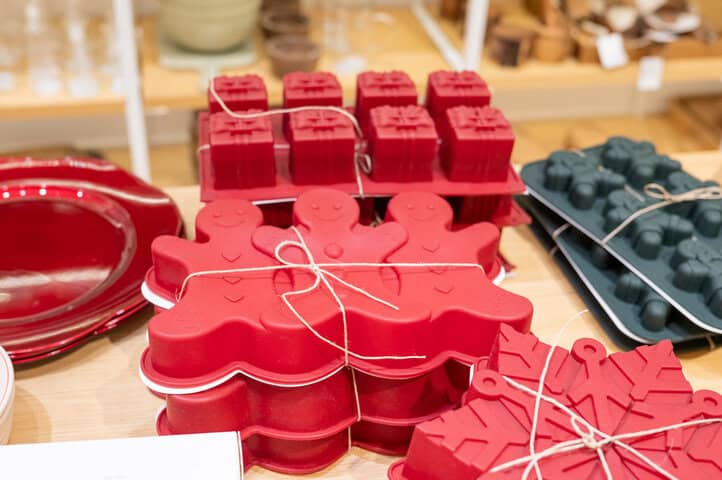
Not every mold material suits every project. Silicone molds are by far the most popular choice for embedded work because they are flexible, non-stick, and hold fine detail well. Rigid plastic molds work for simpler shapes, but make it harder to release delicate casts without damage. If you plan to use premium custom molds for professional or high-volume work, silicone offers the best balance of durability and precision. Polycarbonate molds are another solid option for food-grade applications like chocolate or candy.
The depth and wall thickness of the mold also matter. Deeper molds give you more room to work with layers and embeds, while shallow molds limit your design options significantly.
Selecting Casting Materials That Work Well in Layers
The casting material you choose will directly influence how your layers bond and how your embeds behave. Epoxy resin is a top pick for layered and embedded work because it cures slowly enough to give you control, and each layer bonds chemically to the one beneath it. UV resin cures faster and suits smaller projects, but can be tricky in thick pours. Candle wax, concrete, and soap bases are also common choices, though each comes with its own set of timing challenges.
Always check the viscosity of your material before you commit. Thinner mixtures flow around embeds more naturally, while thicker ones may trap air or shift lightweight objects during the pour.
Gathering Tools to Keep the Process Smooth
Beyond the mold and casting material, a few key tools make the process far less stressful. You will need mixing cups with clear measurement markings, stir sticks or a small electric mixer, a heat gun or butane torch to pop surface bubbles, disposable gloves, and a level surface to work on. A set of fine tweezers or wooden skewers helps you position embeds precisely. Having a timer nearby is also a smart move, since layer timing is something you absolutely cannot guess.
Preparing Your Custom Mold for Embedded Designs
Once your tools and materials are ready, the next step is to prepare your mold properly. Skipping this stage leads to adhesion problems, uneven surfaces, and embeds that shift out of place before the material sets.
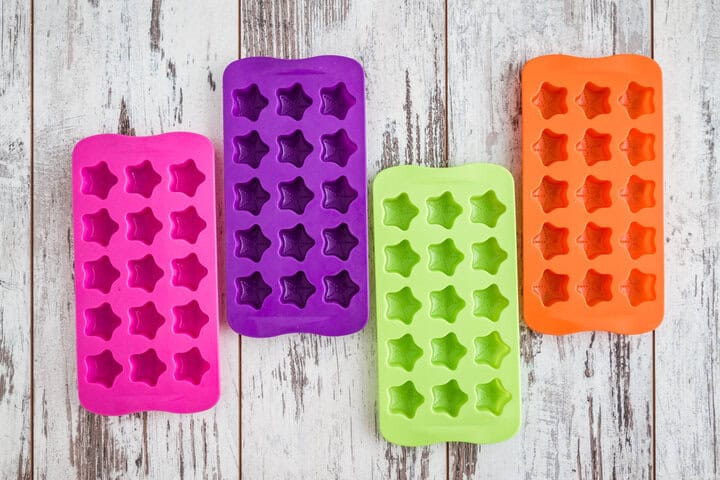
Start by cleaning your mold thoroughly. Even small amounts of dust, oil, or residue from a previous cast can interfere with surface quality. Use a soft cloth and isopropyl alcohol for silicone molds, and let the mold dry completely before you move forward. For molds with intricate details, a soft brush helps remove debris from tight corners.
If your mold is new or you are working with a material that tends to stick, apply a thin layer of mold release spray. This step is especially useful for rigid molds, though most silicone molds do not require it. Apply the release agent evenly and let it sit for a minute before wiping away any excess.
Setting Up Embeds and Positioning Them Correctly
Positioning your embeds correctly is one of the most detail-oriented parts of this process. The placement determines not only how the final piece looks but also whether the embeds stay put throughout the pour.
For embeds you want visible at the bottom of the finished piece, place them face down in the mold before the first pour. For objects you want suspended in the middle of the cast, you will need to pour a base layer first, let it reach a gel-like consistency, and then gently press the embeds into place. This semi-cured base holds the object in position without letting it sink.
Use tweezers rather than your fingers for small embeds. Finger oils can create adhesion issues between the embed and the casting material, which sometimes results in visible gaps or cloudiness around the object. For heavier embeds like stones or metal pieces, a tiny drop of the same resin can act as a temporary adhesive to hold them in position until the main pour locks everything in place.
How to Pour and Layer Your Casting Material for Clean Results
Layered pours are where the real artistry in custom mold work happens. Done correctly, they produce pieces with incredible depth, distinct color separations, or a mix of materials that look seamless once cured. Done carelessly, they result in cloudy bonds, visible seams, or layers that crack apart after demolding.
The first layer you pour sets the foundation. Keep it thin, especially if you plan to add embeds above it. A layer between 3mm and 6mm works well for most resin projects. Pour slowly from a low height to minimize air bubbles, and tilt the mold slightly to let the material spread into corners naturally. After the pour, pass a heat gun or torch quickly over the surface to pop any bubbles that rise.
Once the base layer reaches the right consistency, which is tacky to the touch but not fully cured, you can add your embeds and follow up with the next layer. Bond strength between layers is highest at this sticky stage. If you wait too long and the first layer cures completely, you risk a weak bond that may delaminate later.
Timing Each Layer to Prevent Shifting and Air Bubbles
Timing is the single most important factor in successful layered pours. Each casting material has a specific window between its initial gel point and full cure, and that window is where your next layer needs to go.
For most epoxy resins, the ideal inter-layer window falls somewhere between 4 and 12 hours after the initial pour, though you should always follow the manufacturer’s data sheet for exact timings. Pour the next layer too soon, and the heat generated by both curing layers simultaneously can cause warping or yellowing. Wait too long, and the bond between layers weakens considerably.
To reduce air bubbles between layers, warm your resin slightly before mixing. Resin at room temperature or slightly above flows better and traps fewer bubbles than cold resin. Also, pour in a slow, steady stream and avoid stirring aggressively. Gentle mixing keeps air incorporation to a minimum.
Demolding, Finishing, and Troubleshooting Common Issues
After your final layer reaches full cure, it is time to remove the piece from the mold. With silicone molds, flex the sides gently and push from the bottom to release the cast. Never pry or force the piece out, as this can crack or chip the edges. If you used a rigid mold, soak it briefly in warm water to help loosen the cast before attempting removal.
Once demolded, inspect the piece under good lighting. Look for any rough edges, amine blush (a greasy film that sometimes forms on epoxy surfaces), or small surface imperfections. Sand rough edges with progressively finer sandpaper, starting around 220 grit and moving up to 1000 or higher for a polished finish. A quick pass with a polishing compound or resin polish brings out the depth and clarity of layered pieces beautifully.
For troubleshooting: if your layers appear cloudy, moisture contamination during the pour is often the cause. If embeds have shifted, your base layer was too liquid at the point of placement. If you notice delamination between layers, the inter-layer timing was off. Each of these issues is avoidable with preparation and patience. Keep notes on your timing and ratios for each project so you can refine your process over time.
Conclusion
Custom molds give you the freedom to design pieces with real depth and detail. The process rewards patience, good preparation, and attention to timing above all else. Follow the layering sequence carefully, respect your material’s cure windows, and take the time to position embeds with precision. Each project you complete teaches you something new, and the results get better fast. Start simple, document what works, and build from there.