
How to Start Wearing Vintage Clothing (Beginner Guide)
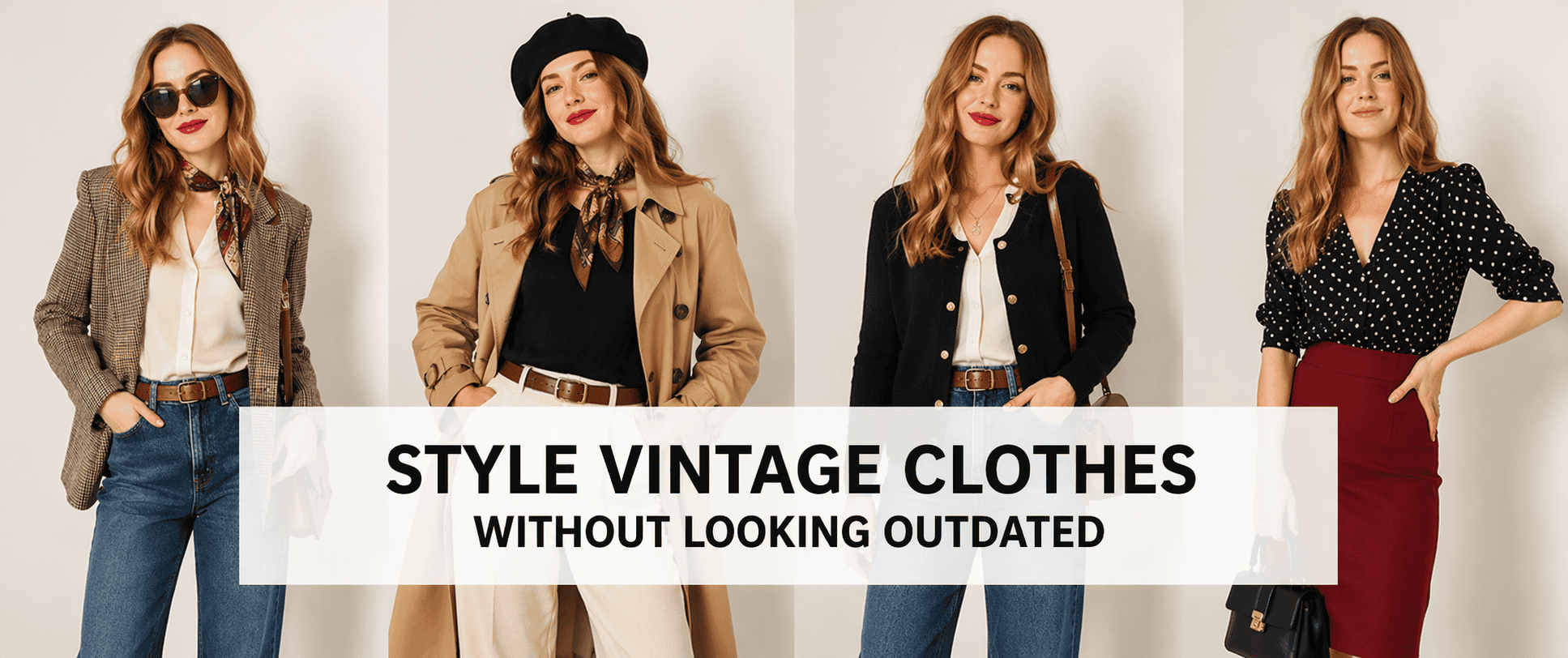
Lots of people are finding themselves drawn to vintage clothes – they’re often beautifully made, utterly unique, and possess a charm that doesn’t go out of style. But getting started with vintage can be a little daunting; the cuts are different, sizes are all over the place, and it’s tricky to figure out how to make older things fit into your current life.
Don’t worry about being an expert right away. Vintage isn’t about rigidly sticking to rules or dressing as if you’ve stepped out of a particular decade. It’s about picking up pieces from the past and wearing them in a way that you feel good in today. A relaxed, sensible approach will make it easy to develop a style that’s genuinely yours and, importantly, something you’ll actually wear.
How to Start Wearing Vintage Clothing
Start Small and Build Gradually
Instead of a complete overhaul, begin slowly. Don’t try to change your whole wardrobe at once! Introduce a single vintage item, or perhaps two, into what you normally wear: a pretty blouse, a cool jacket, a skirt, or even something small like a scarf or handbag. Wear it with the things you already have, so the change isn’t too dramatic. This lets you get used to vintage and see what kinds of shapes and looks you like, and you can build up gradually without being overwhelmed.
Focus on Fit First
Before you even think about the style, get the fit right. How something fits is hugely important with vintage. Vintage sizes are worlds apart from what you buy now; a size labeled ’12’ probably isn’t your size 12. So, go by measurements, not the tag. Something that fits well will always look better, whatever it is.
Specifically look at the shoulders, the waist, and the length; they’re the bits that really define how something hangs on you. And small alterations? They can often solve a fit problem perfectly. A good fit will make a vintage item look considered, and not like something from another time.
Understand Basic Vintage Eras
Familiarize yourself with the basics of vintage eras, and shopping will become much easier. Each decade has its own vibe; the 1950s were about defined waists and structured forms, and later decades are often more relaxed and simpler. You don’t need to become a fashion historian, but having a general idea will help you choose things that appeal to your own style. Plus, it’ll stop you from accidentally buying items that clash. A little knowledge is really useful for building a consistent look.
Mix Vintage with Modern Clothing
One of the easiest things to do is to blend vintage finds with your modern clothes. Wear a vintage skirt with a simple, current top, or a vintage jacket with jeans. This balances things out and makes your outfit feel up-to-date. It also avoids you looking as if you’re in fancy dress! Instead, your outfit will feel natural and something you’d actually wear every day. This is a great place to start.
Choose Quality Over Quantity
When you’re building a vintage collection, prioritize quality over how much you have. Look for clothes that are beautifully made and in good nick. Examine the fabric, the stitching, the overall way it’s put together.
Vintage is frequently made from better materials than a lot of fast fashion, but its condition is still key. Don’t buy things just because they’re cheap; choose things you’ll genuinely wear and love. A handful of lovely things is much more valuable than a huge pile of things you won’t use.
Shop in the Right Places
Where you shop makes a difference. Charity shops, dedicated vintage stores, and online marketplaces all have their strengths. Charity shops are cheaper, but you need to be patient. Vintage stores usually have carefully chosen items, so it’s easier to find something good. Online gives you the biggest selection, but you need to be extra careful. Take your time; finding the right piece is part of the fun and often takes some searching.
Check Condition Carefully
And speaking of condition, pay close attention to it. Always check for wear and tear – stains, holes, fading, and delicate fabric. Some little things can be fixed, but bigger damage might not be worth it. Also, how does the fabric feel? If it’s too fragile or worn, it probably won’t last. Being careful about the condition prevents you from wasting your money.
Build Confidence with Your Style
Wearing vintage can feel a bit strange at first. You might feel as though your outfit is attracting more attention than usual, and that’s perfectly okay. Vintage pieces are different, and they often stand out. The more you wear them, though, the more comfortable you’ll become. And confidence is a big part of how you look. When you feel at ease, your style will seem natural.
Take Care of Your Vintage Pieces
Vintage clothes often need a bit more looking after than modern ones. Some fabrics need gentle washing, others need to go to the dry cleaner. And how you store them is important to prevent damage. Caring for your clothes will make them last longer and keep them looking lovely. This is especially true if you’ve spent money on something really special.
Conclusion
So, learning to wear vintage is about small, sensible steps. You don’t have to transform everything all at once or stick to strict guidelines. Begin with a few pieces, focus on fit, and combine vintage with your modern clothes to keep things wearable. Be mindful of quality and condition, and build your style slowly.
Eventually, you’ll have a wardrobe that is uniquely you. Vintage clothing isn’t just about the latest trends; it’s about wearing something with a story, with a past, with a sense of individuality, and that’s what makes it so rewarding.