
Image by Mateus Gomes from Pexels
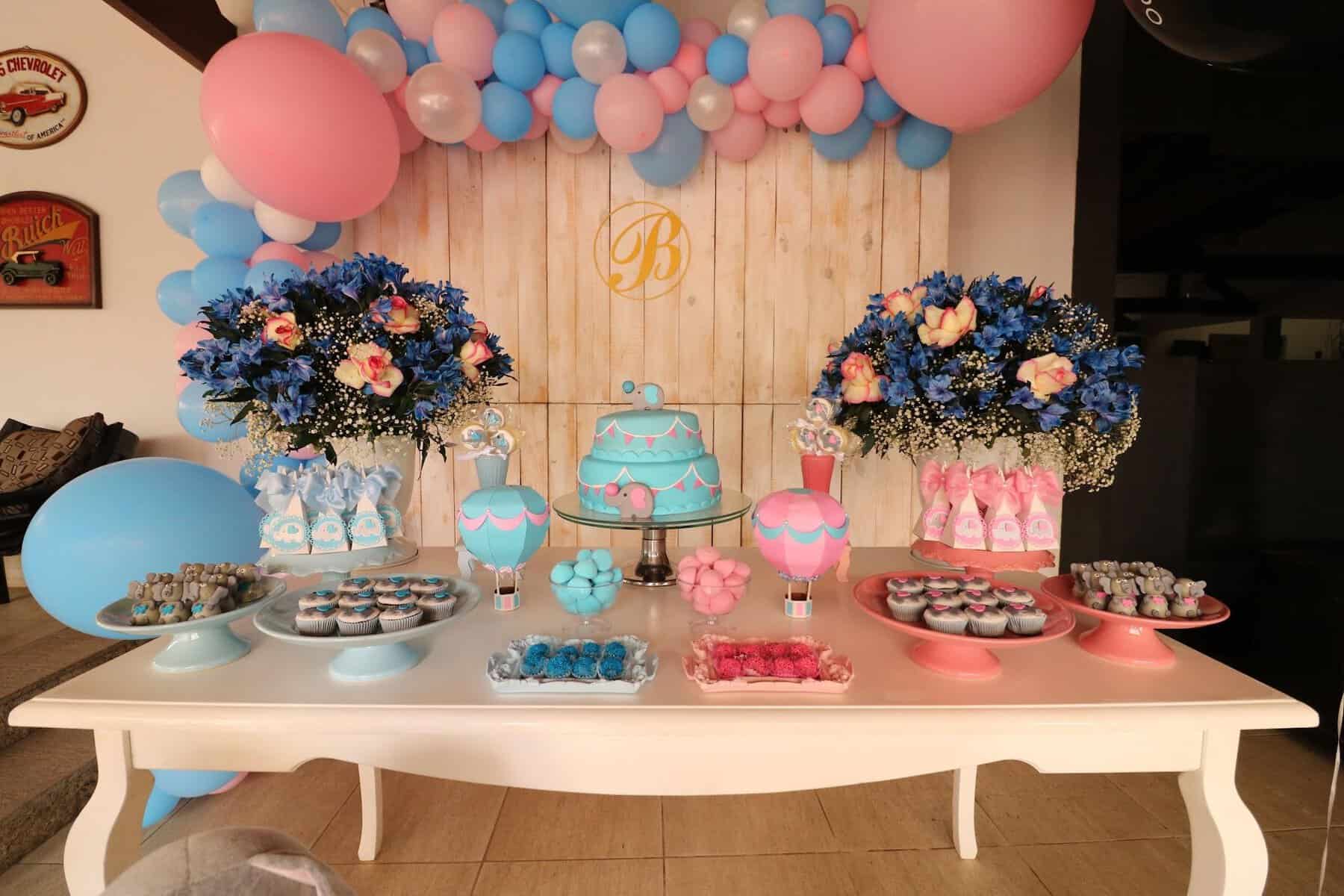
Alt text: A baby shower dessert table setup.
A baby shower deserves the same dressing intentionality as a vintage wedding or a garden party. It is a milestone moment built around celebration and being photographed from every angle.
The four fastest ways to nail a vintage-inspired baby shower outfit are to pick one era (1930s soft florals, 1950s fit-and-flare, 1970s boho maxi, or 1990s minimalist midi), build around its defining silhouette and palette, solve the authentic-vintage sizing problem with a modern bump-friendly dress, and anchor the whole look with one genuine vintage accessory.
Each approach takes the visual impact of retro maternity style and strips out the stress of hunting through thrift racks for something that actually fits a growing bump. Think of it as a mood board made wearable with all the romance of the era and none of the antique-mall spiral.
Table of Contents
1. 1930s Soft Florals
2. 1950s Fit-and-Flare Femininity
3. 1970s Boho Maxis
4. 1990s Minimalist Silhouettes
Vintage Sizing and Maternity Constraints
The Secret Weapon for Era-Specific Styling
Putting It All Together
1. 1930s Soft Florals
Depression-era Hollywood gave the 1930s its visual legacy with delicate clothes designed to mirror a film set. Ginger Rogers and Jean Harlow popularized bias-cut lines, delicate floral prints, puffed sleeves, and soft draped silhouettes.
This aesthetic translates directly into a flowing floral maxi or midi dress with an empire waist for a baby shower. You need enough movement to stand, hug guests, and open gifts for three hours.
The defining palette of blush, ivory, sage green, dusty mauve, and soft lavender aligns with standard event décor. Sourcing authentic 1930s garments for a growing bump usually ends in frustration because of fragile fabrics and rigid sizing.
A smarter approach is to start with a modern base, like cozy maternity clothes from PinkBlush Maternity, and use specific era accessories to build the vintage aesthetic. The modern empire waist does the heavy lifting here since it sits safely above the bump rather than across it.
Era Styling Snapshot
- Silhouette: Flowing maxi or midi, empire waist, soft drape
- Colors: Blush, ivory, sage, dusty mauve, lavender
- Fabric feel: Soft, draped, delicate floral print
- Accessories: Pearl drop earrings, floral headband, structured ivory clutch
- Hair: Soft waves or pin curls
To complete the look, add pearl drop earrings and a small structured clutch in ivory or dusty pink. Shoes should stay low with a block heel or T-strap flat in nude or ivory to keep the silhouette grounded without competing with the dress. Finish the styling with pin curls or finger waves and a floral barrette.
2. 1950s Fit-and-Flare Femininity
Post-war fashion made the 1950s a recognizable decade with nipped waists, full circle skirts, and structured bodices. Audrey Hepburn and Grace Kelly popularized the iconic fit-and-flare silhouette in their photographs. This particular shape is the most bump-flattering design the decade produced. A defined waist or empire line above a full skirt creates an hourglass impression that frames the bump clearly.
The defining palette of pastel mint, powder blue, cherry red, soft yellow, ivory, and stark black-and-white coordinates with both indoor and garden shower settings. An A-line midi or knee-length dress in a pastel print works for casual venues, while a solid cherry red makes a bolder statement for photos. This structured direction fits into baby shower dress ideas that need to look polished from every angle.
Era Styling Snapshot
- Silhouette: Fit-and-flare, A-line skirt, defined empire or natural waist
- Colors: Pastel mint, powder blue, cherry red, ivory
- Fabric feel: Structured yet soft, playful prints or clean solids
- Accessories: Hair bow, short white gloves, structured box bag
- Hair: Victory rolls, high ponytail, or classic updo
A wide satin headband or oversized hair bow in a coordinating pastel is the distinct finishing touch for this decade. Short white cotton gloves work for outdoor showers because they are universally sized and immediately recognizable. Carry a small box bag in white or patent leather, and finish with Mary Jane heels or ballet flats to keep the silhouette proportional for a full afternoon.
| Key Insight: The 1950s fit-and-flare silhouette, with a defined waist or empire line above a full skirt, is the most naturally bump-flattering shape, creating an iconic hourglass impression that centers the bump beautifully in photos. |
|---|
3. 1970s Boho Maxis
The 1970s fashion aesthetic relied on natural movement, earthy colors, and textured decorations like lace trim or crochet details rather than strict tailoring. Icons like Ali MacGraw and Stevie Nicks wore flowing maxi silhouettes and bell sleeves that defined the decade’s fashion. The boho maxi remains one of the most bump-friendly silhouettes ever produced because it stays voluminous through the body. It avoids waistbands near the bump while providing excellent ease of movement.
A lace-trimmed or floral maxi in terracotta, mustard yellow, rust, cream, or forest green fits into botanical or bohemian shower themes. This style works best in the third trimester when comfort and fashion need to occupy the same space. The silhouette requires no structural accommodation because it simply drapes around the body. A dress that fits comfortably at 28 weeks will typically still fit at 36 weeks.
Era Styling Snapshot
- Silhouette: Flowing maxi, bell sleeves, relaxed through the body
- Colors: Terracotta, mustard, cream, rust, sage
- Fabric feel: Soft, flowy, lace trim or crochet detail
- Accessories: Floppy hat, layered gold jewelry, woven or macramé clutch
- Hair: Loose waves, center part, braids
Accessories for this era rely heavily on layering. Stack thin gold bangles with hoop earrings and a pair of pendant necklaces at different lengths. A wide-brimmed floppy hat in tan, cream, or cognac reads strictly 1970s and photographs well in outdoor lighting. Keep footwear grounded with flat leather sandals, simple espadrilles, or suede ankle boots to maintain the relaxed styling.
4. 1990s Minimalist Silhouettes
The 1990s focused on deliberate restraint, favoring clean lines and unstructured shapes over heavy decoration. Carolyn Bessette-Kennedy and early Gwyneth Paltrow utilized slip dress designs and neutral palettes to create a specific brand of quiet glamour.
For 1990s minimalist maternity style, this translates into a sleek, stretchy midi or slip-style dress in cream, taupe, dusty rose, chocolate brown, or soft black. The aesthetic suits intimate indoor showers or city venues.
A growing bump works seamlessly with this silhouette because clean lines and soft stretch let the natural shape stand out. There is no busy print competing for attention and no rigid structure fighting the body’s changes. This era direction serves any mother who wants a streamlined styling routine that still commands the room.
Era Styling Snapshot
- Silhouette: Slip-style midi, streamlined shapes, minimal detailing
- Colors: Cream, dusty rose, taupe, chocolate brown, soft black
- Fabric feel: Smooth, stretchy, clean construction
- Accessories: Gold hoops, delicate chain necklace, mini crossbody or leather clutch
- Hair: Straight, soft blowout, or tousled
Keep accessories minimal and intentional by choosing simple gold hoops or a single delicate chain necklace without any heavy layering. Carry a mini structured crossbody or a small leather clutch in nude or black.
Finish the outfit with strappy heeled sandals, clean white sneakers, or simple mules. Hair should remain straight and sleek or softly blown out to match the unconsidered nature of the decade.
Vintage Sizing and Maternity Constraints
Sourcing a retro maternity style from actual vintage racks introduces major friction regarding sizing, budget, and construction standards. Vintage sizing conventions run significantly smaller than modern expectations.
A vintage size 14 typically fits like a modern size 8, which creates immediate problems before accounting for a pregnancy. This is an accepted industry-wide reality across the entire vintage fashion community rather than an isolated anomaly.
Genuine 1930s silk crepe and 1950s satin were not engineered for the physical demands of a modern baby shower. Sitting, standing, hugging guests, and spending three hours in the same dress causes these fragile materials to snag or tear at the seams.
Vintage construction is heavily structured with zero built-in give. You will not find ruched side panels, belly-accommodating seams, or stretch-knit fabrics on authentic mid-century garments.
Modern maternity work fashion bridges that gap by offering era-appropriate silhouettes with updated engineering. With over 3.6 million births in the U.S., designers are producing more bump-friendly options than ever before. You get the visual character of the chosen decade without negotiating with a 70-year-old zipper or an incompatible sizing label.
| Important: Authentic vintage sizing runs significantly smaller, delicate fabrics snag under sustained wear, and original construction lacks stretch. Modern bump-friendly dresses solve all three friction points. |
|---|
The Secret Weapon for Era-Specific Styling
One carefully chosen accessory anchors an entire era against a modern maternity base. Accessories hold a significant practical advantage over vintage clothing because they are size-agnostic.
A 1950s box bag fits the same regardless of how many months pregnant you are. This reality keeps the vintage accessories market open and accessible while the clothing racks remain difficult to navigate.
Specific categories handle the most era-anchoring work. Short white cotton gloves for a 1950s garden shower or long ivory satin gloves for a 1930s evening event are easy to source at local estate sales. Pearl drop earrings cover the 1930s and 1950s, while oversized gold hoops instantly signal the 1970s and 1990s. Handbags like a 1970s macramé clutch or a 1990s mini leather bag communicate their decade immediately in photographs.
Hairpieces like wide fabric headbands, floral barrettes, and velvet bows provide distinct era markers. A single vintage brooch pinned to a modern maternity dress works on any silhouette and any size across all four decades. Let one genuine vintage piece establish the historical aesthetic while the modern dress handles the physical comfort.
| Pro Tip: One size-agnostic vintage accessory, a pair of earrings, a structured bag, or a hair piece anchors an entire era without any sizing struggles, letting a modern maternity dress handle comfort. |
|---|
Putting It All Together
A bump-friendly modern maternity dress serves as the necessary foundation to make any of these vintage styles achievable. Era-specific accessories establish the historical theme without the sizing constraints of antique clothing.
- 1930s: Flowing maxis in a dusty blush palette with pearl drop earrings.
- 1950s: Fit-and-flare dresses in pastel colors paired with a wide headband.
- 1970s: Boho silhouettes in earth tones with layered gold necklaces.
- 1990s: Sleek stretch midis in neutral shades with simple gold hoops.
Pick the era that matches the shower venue and select one authentic accessory to anchor the theme. Pair that vintage piece with a modern dress cut in era-matching, stretch-friendly fabrics.
| Author Profile: PinkBlush Maternity is a U.S. direct-to-consumer retailer of trendy, affordable maternity, nursing, and postpartum clothing, including dresses, baby shower and photoshoot gowns, jeans, swimwear, and sizes. |
|---|