
Most wardrobes have a handbag. The handbag that still looks perfect on the shelf and yet is never the one that goes out. Maybe the handbag marked a promotion or a trip that mattered or a stretch of years when dressing required something structured, more polished, more theatrical. The craftsmanship of the handbag has not changed. Its place in life has.
Style rarely shifts all at once. A new job, a move across cities, a growing preference for softer clothes and lighter loads, and what once felt essential quietly stops being useful. A bag can remain beautiful and significant and still not belong to the life its owner is currently leading.
Looking closely at a luxury accessory that is not being used is not an act of ignoring it. It is a way of seeing what is left behind: feelings, how easy it’s to wear, how it looks, where it came from if it is real and the traits that could still be important, to someone who collects things. Before making any choice it helps to tell the handbag that is loved from the one that is actually being used.
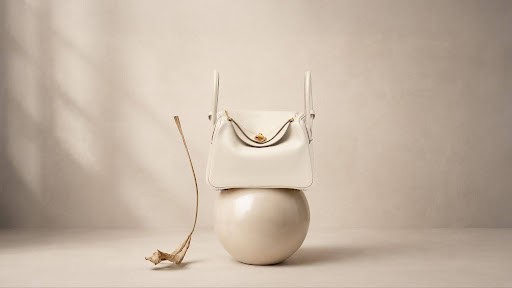
When a Handbag Becomes Part of the Archive
The shift from wardrobe staple to personal archive almost never happens on purpose. One season the bag is on your arm constantly. A few years on, it has become something you admire, remember, and store with care.
A Wardrobe Is Not a Museum
Some accessories mark a particular point in life with unusual precision. Bought after a promotion. Given by someone who understood your taste better than you did. A vintage Chanel evening bag, once chosen for moments and carried everywhere for a decade now feels out of place. It belonged to dinners and galas to glittering nights under chandeliers. Now it sits quietly beside a wardrobe filled with flat shoes and relaxed tailoring like a memory too elegant, for the life it’s living.
That does not make it irrelevant. It belongs to a different rhythm of dressing, that is all.
Loved, worn, and dormant are three separate states, and the first two get confused with each other constantly. A bag can be deeply loved and entirely dormant. Recognising that difference is usually where a more thoughtful decision begins.
Sentiment and Usefulness Can Coexist
An Hermès handbag kept carefully in its dust bag after a change in daily needs has lost none of its character. Structured top-handle shapes, ornate clutches, logo-forward shoulder styles: each carries the visual language of a particular era, and that language does not fade because personal taste moved on.
Nothing in a wardrobe needs to earn its keep through weekly use. Some pieces deserve to stay simply because they matter. But when a handbag has been protected and rarely touched for years, it is sensible to understand its current condition and desirability before that information is suddenly needed in a hurry.
Sentiment will always be personal. The qualities that appeal to a future owner are far easier to identify.
Why Some Pieces Still Hold Their Pull
The interest from another person who owns a handbag is not about the name that’s sewn inside. The way it looks, the quality of the materials and how well it is. If all the parts are there all play a role in how a handbag is viewed by someone who really knows about bags. A handbag is judged by more than the label inside.
Every detail matters when someone who understands the category sees it. The design, the materials, the condition and if everything is there all add up to how a handbag’s received. A handbag isn’t just about the label on the inside. It’s everything that contributes to its uniqueness.
Beyond the Label’s Name
Silhouette, recognised house codes, leather quality, hardware condition, the state of the interior. All of it affects how a bag presents itself. A classic quilted design with original hardware and a clean interior tells a very different story from the same model with replacement chain links and extensive undisclosed work.
Size matters as much as anything. Small evening proportions that once felt perfectly elegant may no longer suit an owner’s routine, and that limitation cuts both ways. It reduces everyday practicality while sharpening the appeal for someone drawn to the bag’s history, its scale, its occasion-specific charm.
Timeless Design and Passing Preference
A color or leather that is no longer made by Hermès might interest a collector who has been searching for that mix for many years. A bag that is closely linked to a fashion trend can also be very appealing, for the same reason because it shows that time so clearly even if the original owner has since gone in a different direction.
Fashion history and current demand do not always move together. A design can retain its cultural importance while buyer interest in that particular shape rises, softens, and rises again.
Demand Is Context, Not a Promise
No brand or model follows a perfectly predictable path. Claims of guaranteed appreciation ignore the variables that actually shape resale interest: condition, rarity, season, collector preference, and the precise details of the individual piece.
Owners are best served by describing a handbag accurately. Model, approximate year, material, colour, hardware finish, condition, original components. Those details help a specialist understand the item as it stands today, separate from what it cost at retail.
They become more meaningful still when a bag’s history and condition can be clearly shown.
What Travels With the Bag
The objects and records that accompany a handbag often matter as much as a flattering description. Honest documentation gives a specialist, and eventually a buyer, a clearer sense of what has been preserved.
Condition Is More Than a Single Grade
Corner wear. Leather softened at the handles from years of being held the same way. Faint hardware scratches, a small interior mark, a professional repair completed a decade ago and forgotten since. Each of these details gives context.Together they tell you more than a single word. The word “excellent” alone cannot say it all.
Collectors usually know the difference between a patina that forms naturally, over years a repair done carefully by an artisan, damage that could have been avoided and changes that were not explained. Age is not automatically a flaw. What matters is whether the condition has been represented with care and accuracy.
Provenance Completes the Picture
Original dust bags, boxes, removable straps, a clochette with its keys, a lock, receipts, authentication paperwork, repair records. All of it helps establish what is known about a piece. Where date or serial information exists, it is best kept legible and undisturbed.
These materials do not manufacture value on their own, but they make an evaluation more complete. They also keep the link between a handbag’s past and the person who carries the handbag next.
Why Authentication Matters
Professional authentication protects the current owner as much as the eventual buyer. In the Canadian market, established luxury resale specialists such as Rome Station Canada provide a useful reference point for how authenticated Hermès, Chanel, and collectible accessories are assessed through condition, materials, and collector interest.
Before seeking a valuation, gather what exists and resist the urge to make a handbag look newer than it is. Unverified cleaning products, replacement hardware, and amateur stitching can cause changes that are difficult or impossible to reverse. Preservation and clear disclosure serve an owner far better than cosmetic shortcuts.
At that point the question is no longer about the worth of the bag. The question is whether the bag should stay the bag should be cared for. The bag should move on.
Keep, Restore, Store, or Let Go?
There is no single correct outcome for a luxury accessory that has fallen out of rotation.
The Case for Keeping
Keeping makes sense when a handbag holds emotional importance, still reflects its owner’s style, or has a clear role in the wardrobe. A piece inherited from a mother or grandmother need not be measured against market interest at all.
Sometimes an accessory becomes more meaningful precisely because it is no longer used in the way. It stays part of an archive brought out for particular occasions kept as a connection, to someone who is not here to be asked about it.
When Care Is Better Than Restoration
Restoration can be appropriate when restoration protects usability or prevents deterioration though restoration deserves caution. A bag with a weakening handle attachment needs an opinion before anything is stitched, glued or replaced. Many experts recommend waiting until a professional opinion is obtained.
People often rely on storage when handbags are not used regularly. A breathable dust bag, gentle shaping, a stable temperature and protection from light will preserve delicate materials and finishes for years.
A New Chapter Can Be a Considered Choice
Letting go may suit a piece that no longer reflects an owner’s life but could be worn and appreciated by someone else. A carefully preserved accessory that has not left the shelf in five years may be ready for exactly that.
The first question is not what the bag might fetch. It is what role it still plays. Resale is one valid answer among several, not the measure of a piece’s value.
Choosing the Right Route for a Luxury Piece
Direct sale and consignment suit different circumstances, timelines, and expectations.
Direct Sale and Consignment Serve Priorities
A direct sale appeals to an owner who values privacy, speed and a defined outcome. Direct Sale suits someone funding a purchase or someone who simply wants to close a chapter cleanly.
Consignment requires patience. Consignment gives the buyer time to locate a truly unique item, which can be highly significant for rare materials, out-of-production colors, or vintage styles that appear rarely.
Important Questions to Consider Before You Give Away a Bag
A reputable specialist should explain its valuation approach, authentication process, fee structure, insurance while the item is, in its care payment timing and return terms without ambiguity.
Vague offers, unnecessary urgency, or any suggestion that condition should be described more generously than it deserves are all reasons to pause. A clear process matters as much as the figure attached to an offer.
Expertise Is a Form of Protection
Credibility shows in the explanation rather than the number. A specialist who can articulate how a particular leather, colour, or hardware finish affects interest in that specific model is demonstrating the knowledge an owner is relying on.
Preparation makes either route more accurate and considerably less stressful.
Preparing a Luxury Handbag for Its Next Chapter
Good preparation is a matter of documentation, not cosmetic improvement.
Document, Do Not Disguise
Take pictures of the handbag in light. Capture the handbag front, handbag back, handbag base, handbag four corners, handbag interior, handbag hardware, handbag straps and any stamps or codes that identify the handbag. A vintage Chanel bag, with signs of age is better shown plainly than concealed. A specialist will see the wear regardless.
Preserve the Original Story
Keep components together. An Hermès handbag is much easier to evaluate when all the parts are together, like the strap, the lock, the keys, the clochette and the dust bag instead of being spread out in three different closets. Take note of any repairs, alterations or known flaws. Write them down with the approximate dates if you can remember them.
Let the Right Expert Assess the Details
Choose someone with demonstrated knowledge of the relevant house and category. Vintage hardware requires assessment. Discontinued materials require assessment. Unusual leathers require assessment. Exotic skins require assessment. A generalist will not always recognise what is in front of them.
The best submission is the one that has the details and is completely honest. It lets the handbag be judged on its actual condition and character rather than a polished version of the story.
Luxury Ownership Can Change Without Losing Meaning
A handbag can hold cultural weight and personal significance long after it stops fitting into daily dressing. Those qualities were never dependent on constant use.
Knowing a piece properly and knowing its condition, provenance, authenticity, craftsmanship and what collectors want now lets me make calm decisions about a piece instead of reacting. Keeping a bag is a legitimate outcome. So is storing it correctly, restoring it through an experienced professional, placing it on consignment, or selling it to someone who will actually carry it.
The most considered choice honours both an owner’s history with the object and the object’s possible future in another wardrobe. A well-made accessory does not need to stay in one closet forever to keep its meaning. For some pieces, being carried again by someone new is precisely what keeps the story going.