
Why Vintage Fashion Creators Are Stuck in a Time-Consuming Loop
The vintage and retro fashion niche is booming. From 1970s disco silhouettes to 1990s grunge graphics, consumers are actively searching for clothing and accessories that carry a sense of nostalgic character. But for independent designers, print-on-demand sellers, and creative entrepreneurs trying to capitalize on this demand, the production side of the business presents a persistent bottleneck.
Translating a creative vision — say, a psychedelic 1960s floral print or a bold 1980s color-block jacket — into a polished, marketable visual asset traditionally requires either strong illustration skills, access to expensive design software, or the budget to hire a freelance artist. Most small-scale vintage fashion sellers have none of these. This guide walks through a practical, AI-powered workflow that takes you from creative concept to sellable product visual, without the traditional barriers.
What Has Changed in AI Creative Tools for Fashion Design
Not long ago, generating original fashion artwork required either a trained hand or a significant investment in stock imagery licenses. The landscape has shifted dramatically. AI image generation technology has matured to the point where a detailed text prompt — “a 1970s disco-era wrap dress with metallic geometric patterns on a warm amber background, fashion illustration style” — can produce a genuinely distinctive, commercially usable design reference within seconds.
This is where Pollo AI enters the picture as a meaningful creative resource. Its AI image generator aggregates multiple leading models — including Pollo Image 2.0, GPT-4o, and Google Imagen — into a single platform, allowing designers and sellers to generate realistic, stylistically rich images across themes ranging from retro fashion characters to fantasy art and product visuals.
With over two thousand commercially licensed LoRA models built in, the platform is designed for professional creative output, not just casual experimentation. For a vintage fashion seller who needs to visualize ten different colorway variations of a retro graphic tee before committing to production, this kind of tool compresses what was once a multi-day design process into an afternoon.
The Complete Guide to Designing and Promoting Retro Products with AI
Step 1: Generate Your Retro Design Concept With an AI Image Generator
Start by defining the specific vintage aesthetic you are targeting. Retro fashion spans several distinct eras and sub-styles, and the more precisely you articulate your vision, the more useful your AI-generated output will be. Consider the decade, the garment type, the color palette, the cultural reference point, and the intended mood.
A prompt like “1950s rockabilly-inspired graphic for a women’s swing dress, cherry red and black color palette, hand-drawn pin-up illustration style, white background” will produce substantially more useful design references than a vague request for “vintage fashion art.” Specificity is the core skill in AI image generation, and it is worth spending a few minutes refining your prompt before generating.
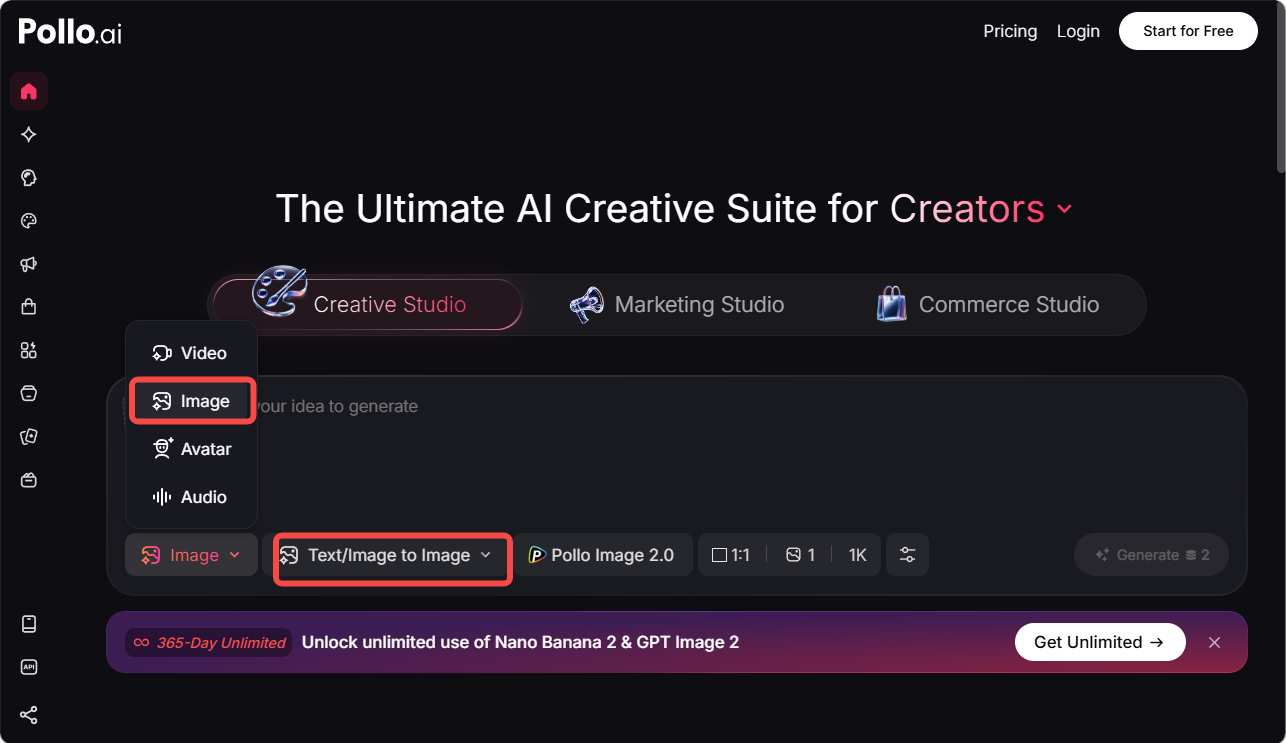
Using Pollo AI’s AI image generator, you can run multiple prompt variations in quick succession, comparing outputs across different model settings to find the style that best matches your design direction. The platform’s multi-model architecture means you are not locked into a single aesthetic interpretation — you can generate the same concept through different underlying models and select the output that best serves your creative intent. For vintage fashion work specifically, the LoRA model library offers style-specific fine-tuning options that can push outputs toward particular retro aesthetics with greater precision than general-purpose prompts alone.
Step 2: Refine and Prepare Your Design Asset
Once you have a generated image that captures your intended aesthetic, review it critically as a design asset rather than a finished product. Consider whether the composition works for the product format you have in mind — a graphic that looks strong as a standalone illustration may need to be cropped, isolated, or color-adjusted to work effectively on a garment or poster.
Most AI-generated images benefit from a light editing pass before they are ready for product application. This does not require advanced Photoshop skills — basic adjustments to contrast, saturation, and background removal are sufficient for most print-on-demand and social media applications. Several free and low-cost tools handle these adjustments effectively, and many AI image platforms include basic editing functionality within their workflow.
Step 3: Apply Your Design to Product Mockups
This is where the second stage of the workflow begins, and where a purpose-built tool for product visualization becomes essential. Placeit AI is a design-led platform with over 180,000 professionally designed, AI-optimized templates that allow you to place your artwork onto realistic product mockups — T-shirts, hoodies, tote bags, phone cases, posters, and more — without any design software or photography setup.
What distinguishes Placeit AI from generic mockup tools is the realism of its product model engine. When you apply your vintage graphic to a T-shirt template, the result accounts for real-world factors like fabric texture, natural folds, perspective distortion, and ambient lighting — producing a mockup that reads as a genuine product photograph rather than a flat digital composite. For vintage fashion sellers on platforms like Etsy, Redbubble, or Shopify, this level of visual authenticity directly affects buyer confidence and conversion rate.
Step 4: Create Promotional Content for Social Media and Your Store
A single design concept can generate multiple distinct content assets for different purposes. Your product mockup serves the listing page. A lifestyle-context image — showing the garment worn in a setting that evokes the relevant era — serves social media. A styled flat-lay composition might work for Pinterest. A short animated preview clip can drive engagement on Instagram or TikTok.
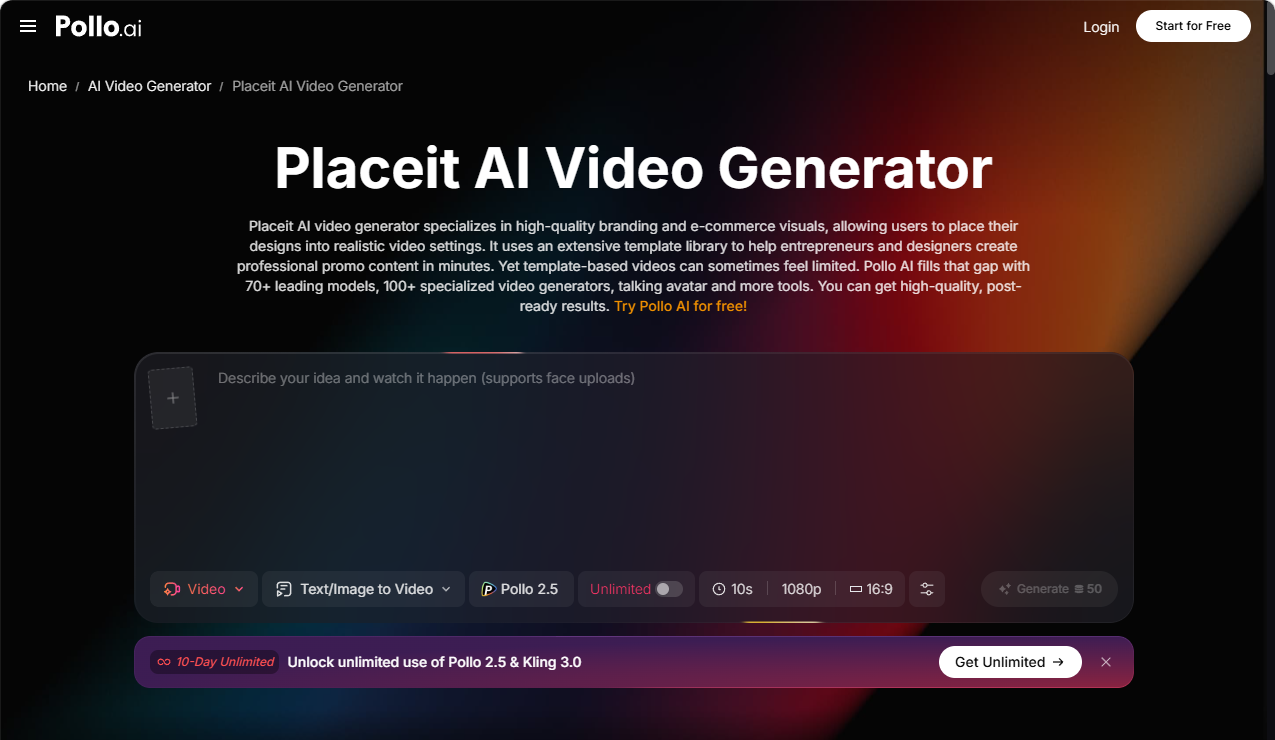
Placeit AI‘s template library covers all of these formats, including animated social media templates that require no video editing skills to produce. For a vintage fashion seller managing their own social media presence, the ability to generate a consistent, visually cohesive set of promotional assets from a single design concept — without hiring a photographer or a graphic designer — represents a significant operational advantage.
Understanding the Two-Stage Creative Workflow
Try to understand the logic behind the AI-powered vintage fashion workflow. The process divides naturally into two stages: ideation and visualization, then presentation and commerce.
In the first stage, you use an AI image generator to create original design concepts — the artwork, the pattern, the stylistic reference — based on your creative direction. In the second stage, you take that generated artwork and apply it to product mockups and promotional templates that are ready for your online store or social media channels.
Each stage has a distinct purpose, and trying to collapse them into a single tool typically produces weaker results. The tools covered in this guide are each optimized for one of these stages, and using them in sequence produces a significantly more polished final output than either could achieve alone.
Conclusion: From Concept to Commerce in a Single Afternoon
The vintage fashion market rewards creative specificity and visual authenticity, and AI tools have made both significantly more accessible to independent sellers and designers. By using an AI image generator to develop original, era-specific design concepts and a professional mockup and template platform to present those designs in a commercially compelling way, you can move from creative idea to a fully stocked online store listing in a fraction of the time that traditional design workflows require.
The workflow is straightforward, the tools are accessible to non-designers, and the creative range available is genuinely broad. Whether you are building a print-on-demand side business around 1970s disco aesthetics or developing a full vintage-inspired clothing brand, the AI-powered design pipeline described here gives you the production capacity to match your creative ambition. Start with one design concept, run it through the full workflow, and publish your first listing. The learning curve is short, and the results improve quickly with practice.