
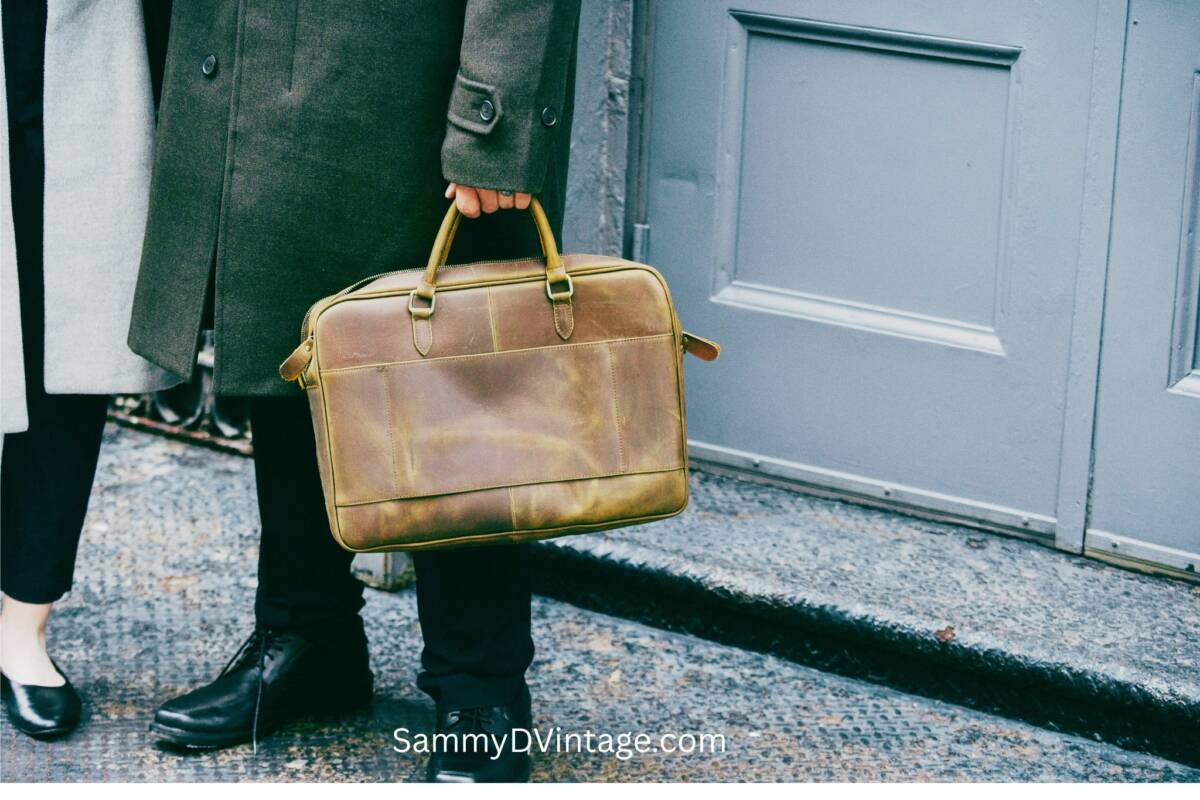
A leather handbag sits half-hidden beneath a jumble of totes, its brass-colored clasp catching the thrift store’s overhead light. The shape is appealing: a compact satchel with a proper handle, generous corners, and none of the flimsiness that makes some newer bags feel disposable.
Then you lift it. One corner is scuffed, the lining smells stale, and the strap has a suspicious crease. This is where a promising find becomes a decision.
A vintage handbag doesn’t need to look untouched to deserve a place in your wardrobe. It does need to survive the trip from the shop to regular use without requiring repairs you never intended to buy.
The First Look Becomes a Closer Look
Start by setting the bag upright and opening it fully, with the seller’s permission. An attractive exterior can distract from a torn lining or a pocket full of sticky residue. Look into the corners, where loose powder, ink stains, and old spills tend to collect.
Next, follow the places that carry weight. Handle attachments, strap holes, and stitching around the base matter more than a superficial scratch.
Gently flex the strap rather than tugging it. Deep cracks that open under slight movement are a different proposition from soft wrinkles in otherwise supple leather.
A musty smell deserves attention, too. If you find fuzzy growth or suspect mold leave the bag behind unless you’re prepared to seek professional advice. Perfume won’t solve the underlying problem, and an inexpensive purchase can quickly become a restoration project.
A Familiar Label Changes the Search
Once the structure looks sound, the label becomes useful. For shoppers drawn to Dooney & Bourke Handbags, a secondhand leather satchel can be an appealing find, but its condition matters as much as the familiar name. The goal is a bag you can carry, not simply a recognizable logo.
Photograph any interior labels and identifying details if the shop allows it. Compare the shape, hardware, lining, and construction with reliable examples of the same style. A logo alone can’t establish authenticity, and a single detail rarely proves a production date.
Nor does “vintage” automatically mean valuable. Before paying a premium, check sold listings for comparable bags rather than relying on asking prices. Differences in size, condition, and original accessories can make apparently similar pieces poor comparisons. If you plan to resell, remember that repair costs come out of your margin.
At Home, Resist the Makeover
The temptation is to clean everything immediately. First, identify the material and finish. Smooth finished leather, suede, and patent leather need different treatment; a product suitable for one can stain or dull another.
If the material remains uncertain, a leather-care professional is a better next stop than an improvised scrub.
Empty the bag, open the compartments, and remove loose debris with a soft brush. Avoid soaking the lining or saturating the exterior. Moisture can travel into layers that dry slowly, and water may leave marks on absorbent leather.
For appropriate smooth leather, follow the cleaner’s instructions and test in a hidden spot before treating a visible panel. The same caution applies to leather conditioner: more isn’t better, and some finishes shouldn’t receive it at all. Let each tested area dry before judging the result.
The Flaws Worth Keeping
After cleaning, the scuffed corner may still be there. That isn’t necessarily a failure. Gentle wear can suit an older bag beautifully, especially when the color has softened unevenly around the handle and flap.
Crumbling edge paint or loose stitching, however, calls for a repair assessment rather than another layer of polish.
Ask a repair shop what can be stabilized and what would require replacement. If collectability matters, discuss changes before authorizing them. A new strap may make the bag practical, but it also changes what a future buyer receives.
Its First Real Outing
Give the bag an easy first day: a wallet, keys, and a small pouch rather than a laptop and water bottle. Pair a structured satchel with straight-leg jeans and a simple knit, letting its shape supply the vintage character without building an entire period costume.
Before leaving, check that the closure catches securely and the strap sits comfortably. Put small items inside a pouch if the lining is delicate.
That modest adjustment lets an older bag earn its place through use, without asking fragile fabric to handle keys scraping across it all day.