
The 1930s were a lesson in making clothing last. During the Great Depression, when money was tight, women had to be resourceful with what they owned. Mending, reusing fabric, and choosing practical garments helped stretch a wardrobe further.
These habits offer a valuable lesson for today’s sustainability-minded fashion lovers: clothes that remain wearable for years can reduce the need for constant replacement.
How the Great Depression and Hollywood Shaped 1930s Fashion
Fashion in the 1930s balanced practicality with glamour. Advances in clothing production popularized new garment designs, while innovations such as the bias cut allowed fabric to drape naturally over the body. Meanwhile, Hollywood stars like Greta Garbo, Jean Harlow, and Marlene Dietrich inspired women with glamorous gowns and sophisticated styles. Perfumes such as Chanel No. 5 and Shalimar by Guerlain also helped define the era’s image of luxury.
Yet everyday clothing had to meet the financial realities of the Great Depression. Women needed garments they could wear repeatedly and adapt to daily life. This contrast between Hollywood glamour and everyday practicality offers a useful lesson for modern fashion: style doesn’t have to be disposable. Choosing versatile garments, caring for them properly, and keeping them in use for longer can help create a more sustainable wardrobe.

>> SHOP NOW: Amazing and authentic 1930s vintage clothing on eBay! So to help shed light on the changes the 1930s brought to feminine style, I worked with Hinesite Vintage to showcase 5 culturally important pieces for the era. Keep reading after the jump to see these pieces of 1930s fashion and to read how they revolutionized the way women dressed!It was while researching for this post (special thanks to Vintage Fashion: Collecting and Wearing Designer Classics for my education) that I realized just how much I love this underrated era of fashion!I’m always a fan of dressing to impress, so perhaps it’s the allure of walking down the red carpet in a slinky bias cut dress that captures my heart most! What do you like most about ’30s fashion after reading today’s post?


Feedsack dress available from Hinesite Vintage
THE PIECE: A feedsack dress was made from cotton fabric originally used to package animal feed, flour, sugar, and other household staples. Once the contents were used, the fabric could be repurposed into dresses, aprons, curtains, and other household items.
THE TREND HISTORY: Reusing feed sacks became especially popular during the Great Depression, when families looked for practical ways to stretch their budgets. Rather than letting sturdy cotton fabric go to waste, women transformed it into useful clothing for themselves and their children.
Manufacturers eventually recognized the demand for attractive, reusable sacks. Some began producing cotton bags in floral patterns and playful prints featuring animals or other novelty designs. The fabric’s appearance became an important selling point, giving households another reason to choose one brand over another.
THE SUSTAINABILITY LESSON: Feedsack dresses offer an early example of resourcefulness through reuse. Instead of treating packaging as disposable, families found a second purpose for the material, extending its useful life and getting more value from what they purchased.
The practice continued into the 1940s, when wartime shortages and fabric rationing made material conservation even more important. Some manufacturers introduced patriotic prints, including victory-themed designs, that could be sewn into everyday garments.
For today’s vintage shoppers, the lesson goes beyond the charm of a floral print . Look for well-made cotton garments with sturdy seams and fabric that remains in good condition. When cared for properly, durable clothing can be worn for years, repaired when needed, and passed along to another owner rather than quickly discarded.
BUY IT VINTAGE: Browse 1930s feedsack dresses on Etsy.
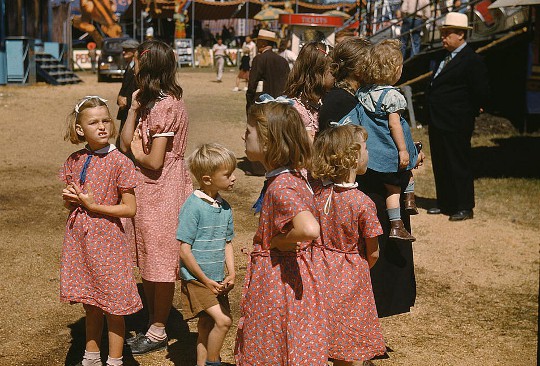
Four ’30s era girls wearing feedsack dresses in the same print from the US Library of Congress on Flickr
THE CHANGE: The trend of wearing a dress made from the materials of a feedsack illustrates just how relaxed fashion had become in the ’30s due to the economic times. Through the ’20s, women would change outfits multiple times to appropriate fit the activities of their day.
But when the Great Depression hit, extraneous spending halted and women from farming families to high society circles resorted to “everyday wear” that stuck on them from morning to night.
The feedsack dress trend continued into the ’40s but not so much for economical reasons, and more so for patriotic ones. With rations on materials, feedsack companies released patriotic prints with “V” for victory that women would sew their daywear dresses from.
BUY IT VINTAGE: 1930s feedsack dresses on Etsy
1930s Green Knit Day Suit


Knit suit available from Hinesite Vintage
THE PIECE: This two-piece suit features light green jersey knit fabric, an eyelet detail on the top, and decorative Lucite buttons. Its coordinated design offered a polished look without sacrificing the comfort needed for everyday activities.
THE TREND HISTORY: Knitwear gained a stronger place in women’s fashion during the 1930s, as designers explored alternatives to more restrictive garments. Coco Chanel helped popularize jersey fabric in women’s clothing, bringing a material associated with practical, comfortable wear into fashionable wardrobes.
The appeal went beyond appearance. Soft, flexible garments gave women more freedom to move through their daily routines, whether running errands, traveling, or spending time outdoors. As the Great Depression put pressure on household budgets, versatile daywear that could serve multiple purposes became especially appealing.

Woman in the ’30s wearing a jersey knit suit for day from the Us Library of Congress on Flickr
THE SUSTAINABILITY LESSON: A coordinated knit suit illustrates the value of combining comfort with versatility. Instead of reserving an outfit for one specific occasion, separates can potentially be styled with other wardrobe pieces, creating more combinations from fewer garments.
For modern vintage shoppers, the key is to look beyond a garment’s appearance. Check the knit for thinning, holes, stretched areas, and loose seams. Examine the buttons and other fastenings, too. A well-maintained knit garment with sound construction can remain useful for years, especially when it’s cared for according to its fiber content and repaired when necessary.
Durability isn’t just about choosing thick fabric. It’s also about finding clothing that fits your lifestyle, works with the rest of your wardrobe, and is worth keeping in regular rotation.
GET IT VINTAGE: 1930s knit suits, dresses, sweaters and miscellaneous items on Etsy
1930s Black Chiffon Beaded Dress


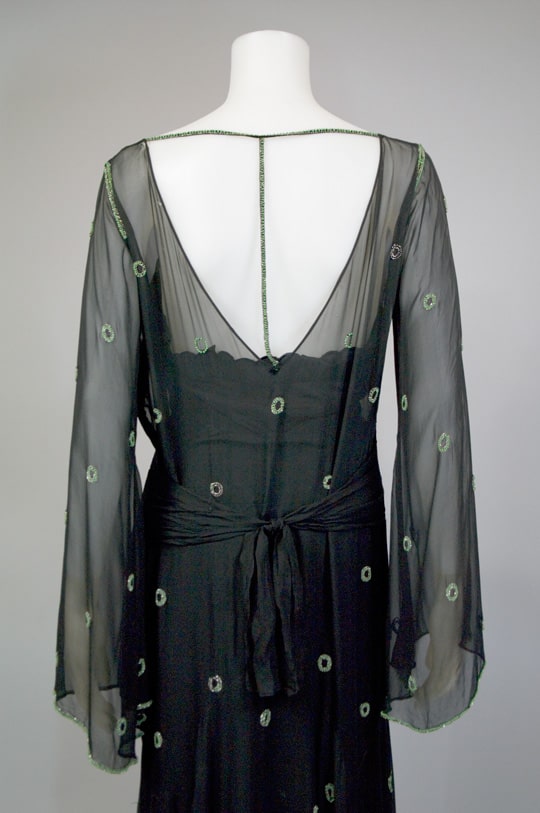
Dress available from Hinesite Vintage
THE PIECE: This black chiffon dress features delicate green microbeads arranged in a repeating circular pattern. Its sheer fabric, intricate embellishment, and flowing silhouette capture the elegance associated with 1930s eveningwear.
THE TREND HISTORY: Hollywood helped popularize the long, fluid silhouettes of the 1930s. Stars such as Ginger Rogers wore sophisticated evening gowns on screen, inspiring women to embrace more streamlined, figure-skimming styles. Designers also experimented with decorative details, including beading and appliqué, to bring visual interest to eveningwear.
While economic hardship encouraged practicality in everyday clothing, special-occasion dresses could still feature elaborate embellishments. This contrast shows how fashion served different purposes: daywear needed to accommodate daily routines, while eveningwear offered an opportunity for glamour and self-expression.

Movie stills of Ginger Rogers wearing a glamorous black dress in “Roberta” (1935), RKO Photo Productions
THE SUSTAINABILITY LESSON: Delicate vintage garments remind us that longevity depends on more than fabric weight alone. A lightweight chiffon dress may require more careful handling than sturdy everyday clothing, but appropriate care can help preserve it for future wear.
When shopping for embellished vintage pieces, inspect the fabric for tears, weakened seams, and signs of deterioration. Check whether beads are missing or loose, especially around areas that experience friction. Repairs may be possible, but fragile materials can require a specialist’s attention.
To extend the life of a delicate dress, follow care instructions suited to its fabric and embellishments, avoid unnecessary friction, and store it in a way that supports its weight without stretching the material.
Wearing a special piece on appropriate occasions, and maintaining it between wears, can help keep it in use rather than treating it as a disposable trend.
Generally, sustainable fashion doesn’t have to mean choosing only heavy-duty clothing. It also means recognizing the value of well-loved garments, preserving craftsmanship, and caring for pieces so they can be worn and appreciated for years.
GET IT VINTAGE: 1930s black chiffon dresses on Etsy
1930s Art Deco Knit Sweater


Sweater available from Hinesite Vintage
THE PIECE: This 1930s knit sweater features a bold diamond pattern inspired by the geometric shapes of the Art Deco movement. Paired with a skirt, a sweater like this offered a practical yet stylish option for everyday wear.
THE TREND: In the 1930s, knitwear became an important part of women’s daywear. Influenced by designers such as Coco Chanel, who helped popularize comfortable jersey clothing, women’s fashion increasingly embraced pieces that allowed greater freedom of movement.
The sweater’s diamond design reflects the Art Deco aesthetic, known for its geometric patterns and architectural influences. The result was a garment that combined everyday function with a distinctive visual style.

Movie still of the original “Sweater Girl” Lana Turner in “They Won’t Forget” (1937), Warner Brothers
THE SUSTAINABILITY LESSON: A well-chosen sweater can earn its place in a wardrobe for years. Its value isn’t just in the material or pattern, but in how often it can be worn, how easily it pairs with other pieces, and whether it can be maintained over time.
When shopping for vintage knitwear, check for thinning areas, holes, stretched sections, and loose seams. Look closely at the cuffs and underarms, where wear often appears first. Gentle, fiber-appropriate care and timely repairs can help extend a sweater’s useful life.
The lesson for this wardrobe is simple: choose clothes you’ll reach for often, care for them properly, and keep them in use instead of replacing them unnecessarily.
GET IT VINTAGE: 1930s sweaters on Etsy
1930s Bias Cut Floral Silk Dress


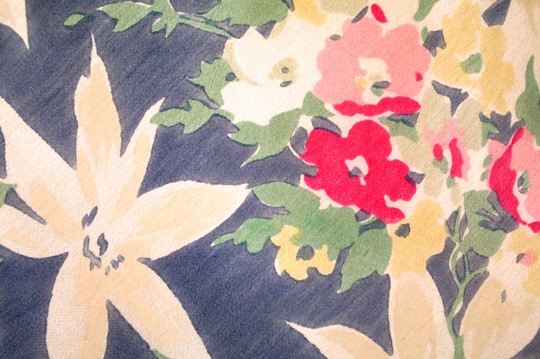
Dress available from Hinesite Vintage
THE PIECE: This floral silk dress features a bias-cut silhouette, a softly pleated skirt, and a small keyhole opening below the neckline. Its flowing shape reflects the elegant, body-skimming styles that became popular in the 1930s.
THE TREND: The bias cut involves cutting fabric diagonally across its weave, typically at about a 45-degree angle. This technique gives fabric more flexibility, allowing it to drape naturally and follow the body’s shape.
French designer Madeleine Vionnet helped popularize bias-cut dresses, and the technique became closely associated with 1930s fashion. Designers used it to create garments that moved gracefully with the wearer. Soft pleats added movement to skirts, while fitted bodices and waists created a long, fluid silhouette.

Movie still of Jean Harlow wearing a bias cut dress in “Dinner at Eight” (1934), MGM Studios
THE CHANGE: During the 1920s, fashion often highlighted the legs and arms with shorter hemlines and sleeveless designs. In the 1930s, the emphasis shifted toward the body’s natural silhouette. Bias-cut fabric could skim the figure without relying on stiff construction, creating an elegant look that moved with the wearer.
Hollywood helped bring this style to a wider audience. Stars such as Jean Harlow wore fluid, glamorous gowns on screen, inspiring designers to create similar looks for everyday consumers and special occasions. The bias-cut dress became a defining example of 1930s elegance.
THE SUSTAINABILITY LESSON: A delicate silk dress may not be built for heavy wear, but it can still offer lessons in making fashion last. Longevity depends on choosing the right garment for its purpose, caring for it properly, and preserving it for future use.
When shopping for vintage silk, inspect the fabric for weakened areas, tears, stains, and damage around seams or pleats. Bias-cut garments can stretch or lose their shape if hung incorrectly, so use suitable padded hangers or carefully fold the dress with appropriate support. Follow the garment’s care requirements, and seek professional cleaning or repairs when needed.
The goal isn’t to make every garment indestructible. It’s to appreciate its craftsmanship, maintain it thoughtfully, and keep it wearable for as long as possible.
GET IT VINTAGE: 1930s bias cut dresses on Etsy
Thank you to Hinesite Vintage for loaning vintage clothing for the creation of this article.
MORE 1930s FASHION
FASHION: 1930s Fashion History
TIMELINE: 1930-1945 in American Fashion by Wikipedia
TRENDS: Why the ’30s was Fashionable by Just The Swing
EDUCATION: The Stylish Thirties Explained by Fashion-Era
SHOP: Get 1930s Clothing on Etsy.com
STYLE: Delancey Dame Vintage Rocks a ’30s Dress!
PLUS: Everything You Wanted to Know About ’30s Hollywood Stars
I actually enjoyed reading this, you have a way of describing and explaining in a easy to follow way. Lovely pictures, so informative on the history of clothing. This is one of my favourite eras, I would love to try some vintage clothing but don’t know wear to start as I am not slim, am only 4 ft 6 and I have scoliosis plus umbilical hernia. So oddly shaped. Anyway thankyou
So glad you liked it!